Paul Heidemann
Actor
Born: October 20, 1875 in Berlin, Germany Died: December 6, 1933 Active: 1890s-1933 Birth Name: Paul Friedrich Heidemann
Films
1 film
About Paul Heidemann
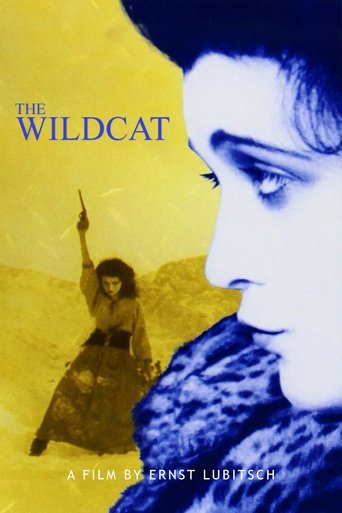
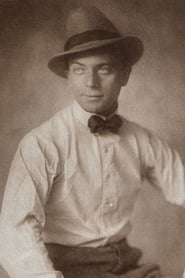
Paul Friedrich Heidemann — German actor and singer who flourished during the golden age of German theater and silent cinema. Beginning his career on the Berlin stage in the late 1890s, he established himself as a versatile performer particularly skilled in operettas and comic roles. His transition to film came during the early 1920s, coinciding with the peak of German Expressionist cinema. His most significant film appearance was in Ernst Lubitsch's acclaimed comedy 'The Wildcat' (1921), where he showcased his theatrical training and comedic timing. Throughout his career, Heidemann remained primarily rooted in live theater, where he found greater artistic fulfillment and audience recognition. He continued performing on Berlin stages until his death in 1933, witnessing the dramatic political changes that would soon transform German cultural life. His career exemplified the typical trajectory of many German actors of his generation who successfully navigated both stage and screen during this pivotal era.
The Craft
On Screen
Heidemann was known for his theatrical, expressive acting style typical of stage actors transitioning to silent film. His performances were characterized by exaggerated gestures and facial expressions that translated well to the silent medium, combined with a natural comedic timing honed through years of operetta work. He brought a musicality to his performances, even in non-singing roles, reflecting his extensive background in musical theater.
Milestones
- Stage debut in Berlin theaters (1890s)
- Leading roles in German operettas
- Performance in Ernst Lubitsch's 'The Wildcat' (1921)
- Extensive theater career in Berlin's entertainment district
- Transition from silent film to early sound era performances
Best Known For
Iconic Roles
Must-See Films
Accolades
Special Recognition
- Recognition in Berlin theatrical circles
- Noted performer in German operetta tradition
Working Relationships
Worked Often With
Studios
Why They Matter
Impact on Culture
Paul Heidemann represented the bridge between 19th-century theatrical traditions and 20th-century cinema in Germany. His work in both operetta and film exemplified the rich cultural cross-pollination that characterized Berlin's golden age of entertainment. While not internationally famous like some of his contemporaries, Heidemann contributed to the vibrant theatrical ecosystem that made Berlin a cultural capital during the Weimar Republic. His participation in Lubitsch's 'The Wildcat' placed him within.
Lasting Legacy
Heidemann's legacy lies primarily in his contribution to German operetta and theater culture during a pivotal historical period. He represents the countless skilled performers who formed the backbone of Germany's entertainment industry but whose names have been largely lost to history. His work in 'The Wildcat' ensures his place in film history, however minor, as part of Ernst Lubitsch's artistic development and the broader story of German silent cinema. He exemplifies the journey of stage actors who adapted to the new medium of film while maintaining their theatrical roots.
Who They Inspired
While not a major influence on subsequent generations of actors, Heidemann's career trajectory influenced younger performers in Berlin's theater scene by demonstrating the possibility of maintaining a successful career across multiple media. His adaptation from stage to screen provided a model for other theatrical actors facing the rise of cinema as a dominant entertainment form.
Off Screen
Paul Heidemann lived during a transformative period in German history, from the German Empire through the Weimar Republic. His life was primarily dedicated to the performing arts, with Berlin serving as both his home and professional base. He experienced firsthand the cultural explosion of 1920s Berlin, which was then one of the world's most vibrant artistic centers. His active years covered the transition from imperial Germany through the chaotic Weimar years, ending just as the Nazi regime was rising to power.
Education
Trained in theater and music at Berlin conservatories and acting schools during the 1890s
Family
- Martha Heidemann (married 1905-1933)
Did You Know?
- Born in Berlin during the German Empire
- Active during the entire Weimar Republic period
- Specialized in comic roles and operettas
- Appeared in one of Ernst Lubitsch's early German films
- Active years covered the transition from silent to early sound film
- Represented the typical Berlin stage actor of his generation
- Died just as the Nazi regime was consolidating power
- His film work was limited compared to his extensive stage career
- Part of Berlin's thriving theatrical district culture
- Witnessed the golden age of German cinema firsthand
In Their Own Words
The stage is my true home, film is merely a visitor's pass
Frequently Asked Questions
Who was Paul Heidemann?
German with credits in this catalog. He is best known for his appearance in Ernst Lubitsch's 1921 film 'The Wildcat' and his extensive career in Berlin's theatrical scene, particularly in operettas and comic roles.
What films is Paul Heidemann best known for?
Titles linked here include The Wildcat (1921).
When was Paul Heidemann born and when did he die?
Born October 20, 1875; died December 6, 1933.
What awards did Paul Heidemann win?
There are no documented major film awards for Paul Heidemann, as he worked during an era when German actors rarely received formal recognition through awards systems. His recognition came primarily from his success in Berlin's theatrical circles and audience appreciation for his operetta performances.
What was Paul Heidemann's acting style?
Heidemann's acting style was theatrical and expressive, typical of stage actors transitioning to silent film. He specialized in comic roles with exaggerated gestures and facial expressions that translated well to the silent medium, combined with natural comedic timing honed through years of operetta work.