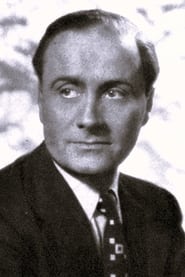
Hermann Thimig
Actor
Born: October 3, 1890 in Vienna, Austria-Hungary (now Austria) Died: July 7, 1982 Active: 1916-1978
Films
4 films
About Hermann Thimig
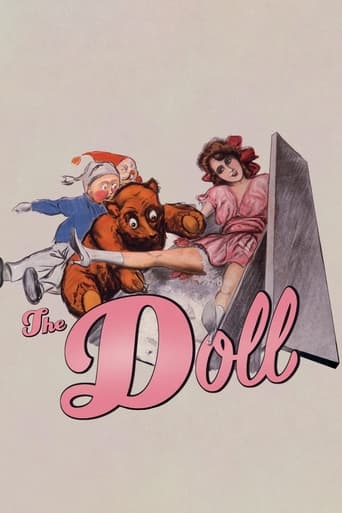
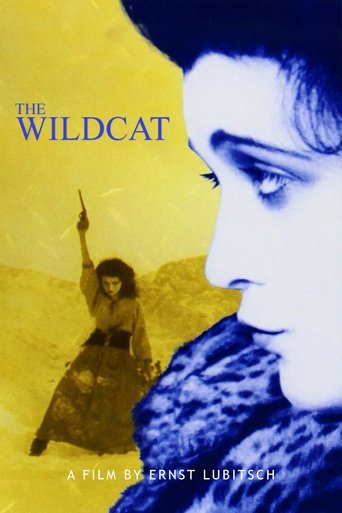
Hermann Thimig was born into Vienna's most prominent theatrical family and began his career on stage before transitioning to film during the silent era. He gained early recognition through his collaborations with director Ernst Lubitsch in films like 'The Doll' (1919) and 'The Wildcat' (1921), where his expressive acting style suited the silent medium perfectly. Thimig successfully navigated the transition to sound films, adapting his techniques from the exaggerated gestures required in silent cinema to the more nuanced performances demanded by talkies. Throughout his career, which spanned over six decades, he appeared in more than 100 films, becoming one of Austria's most respected and versatile character actors. His performances ranged from romantic leads in his youth to character roles in his later years, showcasing remarkable adaptability across different film genres and styles. Thimig worked with many of the most important directors in German and Austrian cinema, including G.W. Pabst and Willi Forst, and continued acting well into his 80s, making him one of the longest-working actors in German-language cinema history.
The Craft
On Screen
Thimig began his career with the broad, expressive gestures typical of silent film actors, using his eyes and facial expressions to convey emotion effectively. As sound cinema emerged, he adapted to a more naturalistic style while maintaining his theatrical presence. His performances were characterized by a certain Viennese charm and wit, with excellent comic timing that made him particularly effective in comedies. He possessed remarkable versatility, able to shift seamlessly from romantic leads in his youth to character roles in his later years, always bringing depth and authenticity to his performances.
Milestones
- Breakthrough role in Ernst Lubitsch's 'The Doll' (1919)
- Starred in 'The Wildcat' (1921) establishing himself as a leading man
- Successfully transitioned to sound films in the early 1930s
- Directed and wrote 'Hohe Schule' (1934)
- Received the Filmband in Gold for lifetime achievement in 1970
- Appeared in over 100 films spanning six decades
- Became one of Austria's most respected character actors
- Worked with legendary directors including G.W. Pabst and Willi Forst
Best Known For
Iconic Roles
Must-See Films
Accolades
Won
- Filmband in Gold for lifetime achievement (1970)
- Austrian Decoration for Science and Art (1960)
- Honorary Ring of Vienna (1970)
Special Recognition
- Filmband in Gold for lifetime achievement
- Austrian Decoration for Science and Art
- Honorary Ring of Vienna
- Named an honorary citizen of Vienna
Working Relationships
Worked Often With
Studios
Why They Matter
Impact on Culture
Hermann Thimig played a significant role in bridging the gap between silent and sound cinema in Austria and Germany, demonstrating how theatrical actors could successfully transition to the new medium. His work helped establish the Viennese film comedy style that would influence Austrian cinema for decades. As a member of the Thimig family, he contributed to maintaining Vienna's reputation as a center of theatrical and cinematic excellence. His longevity in the industry provided continuity through multiple eras of Austrian and German cinema, from the imperial period through two world wars and into the post-war era.
Lasting Legacy
Thimig's legacy lies in his remarkable adaptability and endurance as a performer across six decades of changing cinematic styles. He is remembered as one of Austria's most reliable character actors, particularly excelling in comedies that captured the Viennese spirit. The Thimig acting dynasty he was part of remains. His successful transition from silent film romantic leads to respected character actors in later life serves as a model of career longevity in the performing arts. His films, particularly his collaborations with Lubitsch, remain important examples of German silent cinema.
Who They Inspired
Thimig influenced generations of Austrian actors through his work at the Burgtheater and his film performances, particularly in establishing the style of Viennese comedy. His ability to adapt to changing cinematic technologies and styles demonstrated to younger actors the importance of versatility in the film industry. The Thimig family's theatrical tradition, which Hermann helped continue, has influenced Austrian performing arts for over a century. His professional approach and dedication to craft set standards for actors in German-language cinema.
Off Screen
Hermann Thimig was deeply embedded in Vienna's theatrical culture through his family connections. He married actress Hanna Wagener in 1920, with whom he had two children. After Wagener's death, he married Vilma Degischer in 1939, another prominent Austrian actress. Thimig was known for his dedication to the craft of acting and maintained a reputation as a professional throughout his long career. He was part of the Thimig acting dynasty, which included his father Hugo Thimig, siblings Hans and Helene Thimig, and continued with his own children who also entered the entertainment industry.
Education
Trained at the Vienna Academy of Music and Performing Arts, following in his father's theatrical footsteps
Family
- Hanna Wagener (1920-1938)
- Vilma Degischer (1939-1982)
Did You Know?
- Part of the famous Thimig acting dynasty that dominated Austrian theater and film for decades
- His father Hugo Thimig was director of the Burgtheater in Vienna
- Continued acting well into his 80s, making him one of the longest-working actors in German cinema
- Made a successful transition from silent film star to respected character actor in sound films
- Appeared in films spanning from the German Empire through World War II and into modern Austria
- Was particularly popular in Austria for his roles in Viennese comedies and operettas
- His sister Helene Thimig married director Max Reinhardt
- Both of his marriages were to fellow actresses
- Received numerous honors from the Austrian government for his contributions to culture
- His final film appearance was in 1978 at age 87
In Their Own Words
Acting is not just a profession, it's a calling that requires complete dedication
The transition from silent to sound films was challenging, but it taught us that true acting transcends technology
Vienna has always been a city of culture, and I was proud to contribute to its theatrical tradition
Frequently Asked Questions
Who was Hermann Thimig?
Austrian with credits in this catalog. He was part of the famous Thimig theatrical dynasty and appeared in over 100 films, becoming one of Austria's most respected character actors.
What films is Hermann Thimig best known for?
Titles linked here include The Doll (1919), The Wildcat (1921).
When was Hermann Thimig born and when did he die?
Born October 3, 1890; died July 7, 1982.
What awards did Hermann Thimig win?
Thimig received the Filmband in Gold for lifetime achievement in 1970, the Austrian Decoration for Science and Art in 1960, and was awarded the Honorary Ring of Vienna in 1970. He was also named an honorary citizen of Vienna.
What was Hermann Thimig's acting style?
Thimig began with the expressive style required for silent films, using broad gestures and facial expressions. He successfully adapted to sound cinema with a more naturalistic approach while maintaining his theatrical presence. He was particularly known for his Viennese charm, excellent comic timing, and versatility in both comedic and dramatic roles.