
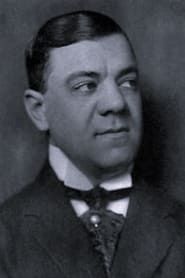
Victor Janson
Actor & Director
Born: September 25, 1884 in Riga, Russian Empire (now Latvia) Died: June 29, 1945 Active: 1916-1942 Birth Name: Victor Eugen Janson
Films
7 films
About Victor Janson
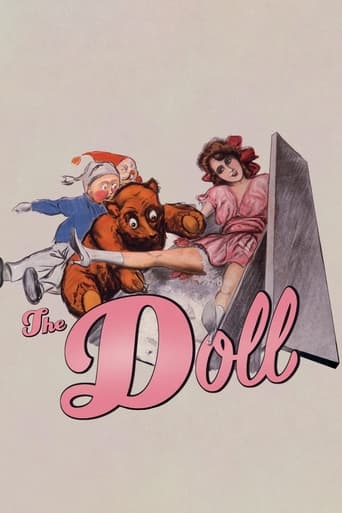
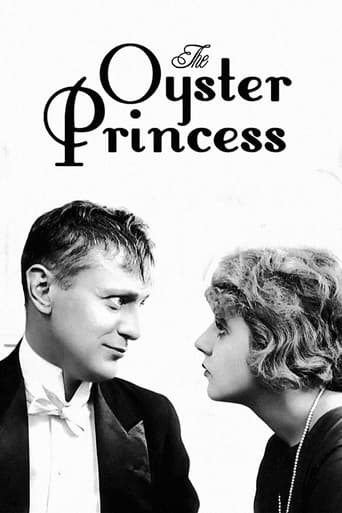
Made significant contributions to silent cinema during the Weimar Republic era. Born in Riga, Latvia (then part of the Russian Empire), he began his career on the stage before transitioning to film in the mid-1910s. Janson gained recognition for his work with director Ernst Lubitsch, appearing in several of his early comedies including 'The Doll' and 'The Oyster Princess.' His acting style was characterized by expressive physical comedy and timing that translated well to silent film. As a director, Janson helmed numerous productions throughout the 1920s, though his directorial work never achieved the same international acclaim as his performances. His career declined with the advent of sound film, and he made fewer appearances in the 1930s. Janson remained in Germany during the Nazi era, continuing to work in the film industry in a reduced capacity until his death in 1945.
The Craft
On Screen
Janson was known for his exaggerated physical comedy and expressive facial features, which made him particularly effective in silent films. His performances often incorporated elements of slapstick and pantomime, with a talent for both comic timing and dramatic moments. He had a distinctive screen presence with his tall stature and expressive eyes, which he used effectively to convey emotion without dialogue.
Behind the Camera
As a director, Janson worked primarily within the conventions of German silent cinema, with a focus on visual storytelling and dramatic composition. His directorial approach was more conventional compared to the avant-garde techniques of some of his contemporaries, emphasizing clear narrative progression and character development. While not as innovative as directors like Lubitsch or Murnau, Janson's films demonstrated solid craftsmanship and an understanding of cinematic language.
Milestones
- Breakthrough role in Ernst Lubitsch's comedies
- Director of 'The Yellow Ticket' (1918)
- Prolific character actor in German silent cinema
- Transition from acting to directing in the 1920s
- Collaboration with major German film studios
Best Known For
Iconic Roles
Must-See Films
Accolades
Won
- German Film Honorary Award (1937)
Special Recognition
- Star on the German Film Walk of Fame (posthumous)
- Recognition in German Film Museum archives
Working Relationships
Worked Often With
Studios
Why They Matter
Impact on Culture
Victor Janson played a significant role in the development of German silent comedy, particularly through his collaborations with Ernst Lubitsch. His performances helped establish the template for comic acting in German cinema during the 1910s and 1920s. Janson's work exemplified the transition from theatrical acting styles to more film-specific performance techniques. His films, particularly those directed by Lubitsch, were influential in developing sophisticated comedy that would later influence Hollywood filmmakers.
Lasting Legacy
Victor Janson is remembered today primarily for his contributions to German silent cinema, especially his work in Ernst Lubitsch's early comedies that showcased the director's emerging talent. While not as internationally recognized as some of his contemporaries, Janson's performances represent an important part of film history, documenting the evolution of German cinema during the Weimar Republic. His films are studied by film historians interested in the development of comedy and the transition from stage to screen acting techniques.
Who They Inspired
Janson's physical comedy style influenced subsequent generations of German comic actors. His work with Lubitsch contributed to the development of sophisticated film comedy that would later influence Hollywood filmmakers. Directors who worked with him as an actor learned from his experience in translating theatrical performance to the screen.
Off Screen
Victor Janson married actress Grit Haid in 1922, though the marriage ended in divorce. He later remarried, though details about his second wife are scarce. Janson was known to be a private individual who rarely discussed his personal life in public. He had no children that are publicly documented. During the Nazi regime, he continued working in the German film industry, though his opportunities became more limited.
Education
Trained at theatrical schools in Berlin and Vienna; early stage experience in provincial theaters
Family
- Grit Haid (1922-1928)
- Unknown second wife (1930s-1945)
Did You Know?
- Born in Riga when it was part of the Russian Empire
- Began his career as a stage actor before transitioning to film
- Worked with Ernst Lubitsch during Lubitsch's early German period
- His height (6'2") made him a distinctive presence on screen
- Directed over 20 films during his career
- Continued acting in small roles through the 1930s
- Was one of the few actors who successfully transitioned from acting to directing in German cinema
- His films were among the German productions distributed internationally in the 1920s
- Survived World War II but died shortly after its conclusion
- Many of his films are now lost or exist only in fragments
In Their Own Words
In silent film, the eyes must speak what the voice cannot
Comedy is tragedy happening to someone else
The camera captures what the stage cannot hide
Frequently Asked Questions
Who was Victor Janson?
German actor and on YTB.my. He is best known for his collaborations with director Ernst Lubitsch in early German comedies, appearing in films like 'The Doll' and 'The Oyster Princess.'
What films is Victor Janson best known for?
Titles linked here include The Doll (1919), The Oyster Princess (1919).
When was Victor Janson born and when did he die?
Born September 25, 1884; died June 29, 1945.
What awards did Victor Janson win?
Janson received the German Film Honorary Award in 1937 in recognition of his contributions to German cinema. He has also been posthumously honored with a star on the German Film Walk of Fame.
What was Victor Janson's acting style?
Janson was known for his expressive physical comedy and distinctive screen presence in silent films. His acting style incorporated elements of slapstick and pantomime, with excellent timing for both comic and dramatic moments, making him particularly effective in the silent medium.
Did Victor Janson direct films?
Yes, Victor Janson directed numerous films throughout the 1920s, including 'The Yellow Ticket' (1918). While his directorial work was more conventional than his acting performances, he directed over 20 films during his career, though his directing never achieved the same acclaim as his acting.
How did Victor Janson influence German cinema?
Janson contributed significantly to the development of German silent comedy through his work with Ernst Lubitsch. His performances helped establish techniques for translating theatrical comedy to film, and his collaborations with Lubitsch created sophisticated comedies that influenced both German and international cinema.