The Yellow Ticket
"A medical student buys passage with a shameful passport."
Keys: Space play/pause · ←/→ 10s · F fullscreen · M mute · </> speed
About this film
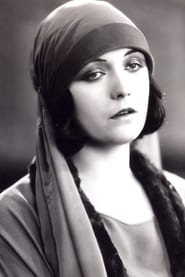
Pola Negri plays Lea, a Jewish woman in tsarist Russia who must obtain a yellow ticket—a document that marks her as a prostitute—to enter St. Petersburg and study medicine while hiding her identity. Co-directed by Victor Janson and Eugen Illes and filmed partly in Warsaw during 1918, the plot tracks Lea through prejudice, romance, and the cost of passing in an anti-Semitic empire.
Cast & crew
More films like this
More Drama films
View all →






More from Victor Janson
View all →
More about this film
About the production
Release dateOctober 1918
ProductionProjektions-AG 'Union' (PAGU)
Filmed inBerlin, Germany, Warsaw, Poland
The film was co-directed by Victor Janson and Eugen Illes, with Janson also playing a supporting role. It was produced during the final year of World War I, making the cross-border filming between Germany and Poland particularly remarkable given the wartime conditions. The production utilized actual locations in Warsaw to lend authenticity to the Eastern European setting, unusual for the period when most films were shot entirely on studio sets.
Themes
Identity and passingAnti-Semitism and religious persecutionGender inequality and women's educationSocial oppression and class strugglePerseverance and ambition
Themes & topics
Jewish identityMedical schoolTsarist RussiaYellow ticketProstitutionIdentity concealmentSocial barriersRevolutionSt. PetersburgOrphan protagonistGender discriminationAnti-Semitism
Historical background
Premiered in 1918 as World War I ended and the Russian Empire collapsed, The Yellow Ticket addressed Jewish restrictions in St. Petersburg at a moment when German studios still mounted large Eastern European productions.
Why this film matters
Negri's performance and the film's frank treatment of anti-Semitic bureaucracy made it a reference point for later Jewish identity dramas; a 2013 restoration with a new klezmer score revived festival interest.
Making of
The production of The Yellow Ticket was remarkable for its international scope during wartime. The decision to film on location in Warsaw was highly unusual for 1918, as most German productions were confined to studio backlots due to war restrictions. Pola Negri, already a major star in German cinema, brought personal authenticity to the role, having experienced discrimination in her own life. The film's dual directorship between Victor Janson (an established actor-director) and Eugen Illes (primarily a cinematographer) created a unique visual style that combined dramatic performance with innovative camera techniques. The production faced significant challenges including wartime resource shortages and political instability, yet managed to create a sophisticated narrative that addressed controversial social issues. The film's exploration of Jewish identity was particularly bold for the period, as anti-Semitic themes were common in European cinema of the era.
What critics said
German critics of 1918 praised Negri's intensity; modern scholars cite the Warsaw location work and the yellow-ticket metaphor when studying silent-era social problem films.
Did you know?
- The 'yellow ticket' referenced in the title was an actual historical document - Russian imperial passports that marked Jewish women as prostitutes, allowing them to travel freely within the empire
- Pola Negri, who was Polish herself, drew on her own experiences with anti-Semitism for her powerful performance
- The film was considered quite progressive for its time in its sympathetic portrayal of Jewish characters and criticism of institutional anti-Semitism
- A restored version with a new score by violinist Alicia Svigals was released in 2013, bringing the film to modern audiences
- The film was one of Pola Negri's last German productions before she moved to Hollywood
- Despite being made during WWI, the film presents a nuanced view of Russian society rather than simple wartime propaganda
- The film was alternatively known as 'The Devil's Pawn' in some markets
- Co-director Eugen Illes was primarily known as a cinematographer, making this one of his rare directing credits
- The film's themes of identity and passing would become common in later cinema dealing with minority experiences
- The production managed to film in Warsaw despite the ongoing war and political turmoil in the region
Awards & recognition
- No major awards documented for the 1918 release period
Visual style
The cinematography of The Yellow Ticket, influenced by Eugen Illes's background as a cinematographer, employed sophisticated techniques for its time. The film utilized extensive location shooting in Warsaw, creating authentic urban environments that contrasted with the more common studio-bound productions of the era. The lighting design emphasized the dramatic contrasts between light and shadow, particularly in scenes depicting Lea's secret life and public struggles. Camera movement was more dynamic than typical for 1918, with strategic use of close-ups to emphasize emotional moments, especially in Pola Negri's performance. The visual storytelling effectively conveyed the oppressive atmosphere of Tsarist Russia through architectural details and crowd scenes. The film's visual style balanced realism with melodramatic flourishes appropriate to its genre while maintaining a consistent aesthetic throughout.
Innovations
The Yellow Ticket demonstrated several technical achievements for its 1918 production period. The extensive location filming in Warsaw was technically ambitious, requiring portable cameras and equipment that could operate outside studio environments. The film's editing techniques, particularly its handling of multiple plot twists and temporal shifts, showed sophistication in narrative construction. The production's ability to coordinate filming across international borders during wartime represented a significant logistical achievement. The film's preservation and restoration in the 21st century utilized modern digital technology to restore damaged elements while maintaining the original visual aesthetic. The 2013 restoration project also involved creating new intertitles based on original scripts, combining historical research with contemporary presentation technology.
Music
As a silent film, The Yellow Ticket would have been accompanied by live musical performances during its original theatrical run. The specific musical scores used in 1918 are not documented, but they would have followed typical practices of the era with orchestral arrangements that emphasized the film's dramatic moments. In 2013, a new score was composed by renowned klezmer violinist Alicia Svigals for the restored version, incorporating traditional Jewish musical elements that enhanced the film's cultural context. Svigals's score blended klezmer traditions with classical film music, creating a soundscape that both honored the film's historical setting and spoke to contemporary audiences. This new soundtrack has been praised for its sensitivity to the film's themes and its ability to bridge the gap between silent film conventions and modern musical sensibilities.
Famous quotes
'I would rather die than live a lie' - Lea's internal struggle
'The yellow ticket is my shame and my salvation' - reflecting on her dual identity
'Knowledge is the only passport that truly matters' - Lea's philosophy of education
Memorable scenes
- The moment Lea receives her yellow ticket and faces the devastating choice it represents
- The tense scene where Lea's Jewish identity is nearly exposed during a medical examination
- The powerful climax where multiple plot twists reveal the true nature of Lea's identity and relationships
What audiences thought
The Yellow Ticket was well-received by audiences in Germany and internationally upon its 1918 release. Pola Negri's star power drew significant crowds, and the film's dramatic storyline resonated with viewers who were experiencing the social upheaval of the post-war period. The film's themes of perseverance against oppression struck a chord with audiences across Europe, particularly those who had experienced wartime hardships. Jewish audiences reportedly appreciated the film's sympathetic portrayal of their community's struggles. The film's success helped solidify Negri's status as one of Europe's biggest film stars and contributed to growing international interest in German cinema. The restored version's modern screenings have also been well-received, with contemporary audiences responding to the timeless themes and Negri's powerful performance.
Film connections
Influenced by
- Contemporary German melodrama traditions
- Social problem films of the 1910s
- Literary traditions of the 'fallen woman' narrative
- Realist novels about Jewish life in Eastern Europe
- D.W. Griffith's narrative techniques
This film influenced
- The Yellow Ticket (1931) - sound remake
- Later films dealing with Jewish identity and passing
- German social problem films of the 1920s
- Pola Negri's subsequent Hollywood melodramas
Film restoration
The Yellow Ticket was considered partially lost for decades but surviving elements were preserved in various archives. A significant restoration was completed in 2013 by the Museum of Modern Art and other institutions, combining surviving footage from different sources. The restored version represents the most complete version of the film currently available, though some scenes may remain missing. The restoration process involved digital cleaning, color tinting based on original specifications, and creation of new intertitles. The film is now preserved in several major archives including the Museum of Modern Art and the Deutsche Kinemathek.
Where to watch
- The restored version with Alicia Svigals's score is available on DVD/Blu-ray from various distributors
- Streaming platforms specializing in classic and silent cinema occasionally feature the film
- Film archives and museums that hold the restoration occasionally screen it
- Educational institutions with film studies programs may have access through academic streaming services