
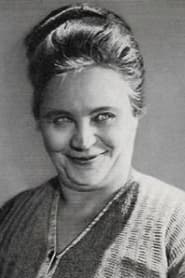
Margarete Kupfer
Actor
Born: October 10, 1881 in Breslau, Germany (now Wrocław, Poland) Died: May 11, 1952 Active: 1915-1942
Films
6 films

About Margarete Kupfer
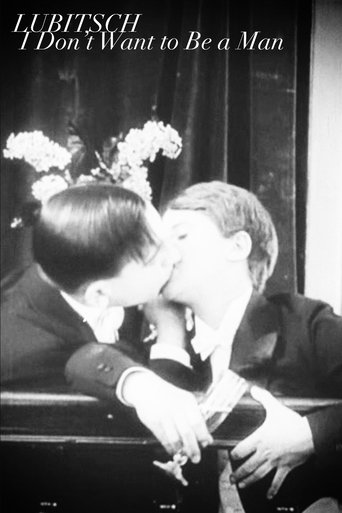
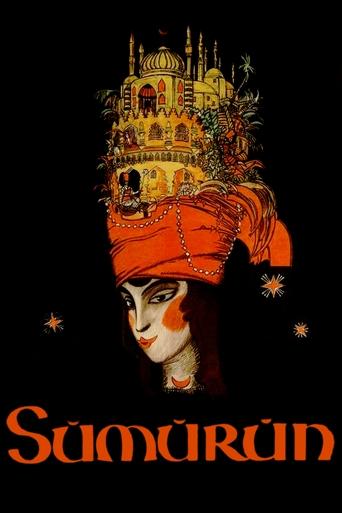
Prolific German character actress: nearly three decades of German cinema, from the silent era through the early sound period. Born in Breslau in 1881, she began her film career in her mid-thirties and quickly became a familiar face in German productions, particularly known for her distinctive character portrayals. She worked extensively with director Ernst Lubitsch, appearing in several of his most celebrated silent films including 'I Don't Want to Be a Man' (1918), 'Carmen' (1918), and 'Sumurun' (1920). Her ability to portray both comedic and dramatic roles made her a versatile performer in the German film industry. Throughout the 1920s, she continued to work steadily in German cinema, appearing in numerous films that showcased her range as a character actress. She successfully transitioned to sound films in the early 1930s, though her roles became smaller as she aged. Her final film appearances were in the early 1940s, concluding a remarkable career that had made her recognizable supporting actresses in German cinema.
The Craft
On Screen
Margarete Kupfer was known for her expressive character acting style that was particularly well-suited to silent cinema. She had a remarkable ability to convey emotion and personality through facial expressions and body language, making her effective in both comedic and dramatic roles. Her performances often featured a distinctive matronly quality, and she excelled at portraying mothers, aunts, and other authority figures. In Lubitsch's comedies, she demonstrated excellent timing and a subtle wit that translated well to the screen. As sound films emerged, her theatrical background and clear diction helped her adapt to the new medium, though she often found herself typecast in similar character roles.
Milestones
- Collaboration with Ernst Lubitsch on multiple films
- Transition from silent to sound films
- Prolific career with over 100 film appearances
- Key roles in German silent cinema classics
- Worked throughout the Weimar Republic and early Nazi era
Best Known For
Iconic Roles
Must-See Films
Working Relationships
Worked Often With
Studios
Why They Matter
Impact on Culture
Margarete Kupfer represents the generation of character actors who formed the backbone of German cinema during its golden age of silent film. Her work with Ernst Lubitsch contributed to some of the most influential German films that would later help shape international cinema. As a Jewish actress working in Germany through the Weimar period and into the Nazi era, her career reflects the complex and often tragic relationship between Jewish artists and German culture during this turbulent period. Her ability to transition from silent to sound films demonstrates the adaptability required of actors during this technological revolution in cinema.
Lasting Legacy
Margarete Kupfer's legacy lies in her contribution to the German silent cinema, particularly her collaborations with Ernst Lubitsch that resulted in some of the era's most enduring films. While not a star in the traditional sense, her consistent presence in German productions for nearly three decades made her a familiar and reliable character actress. Her filmography serves as a valuable record of the evolution of German cinema from the silent era through the early sound period. Today, film historians and silent cinema enthusiasts recognize her as an important supporting player who helped create the atmosphere and authenticity of many classic German films.
Who They Inspired
As a character actress, Margarete Kupfer influenced subsequent generations of German supporting actors through her technique and versatility. Her work in Lubitsch's films helped establish archetypes for character roles in German comedy and drama. Her ability to convey complex emotions without dialogue in silent films demonstrated the power of pure performance, influencing acting techniques in early cinema. Her career longevity served as a model for how character actors could sustain careers through the massive technological and cultural changes in the film industry during the first half of the 20th century.
Off Screen
Margarete Kupfer was born into a Jewish family in Breslau, which was then part of the German Empire. She began her career on the stage before transitioning to film, which was a common path for actors of her generation. Details about her personal life are relatively scarce, as was common for supporting actors of her era. She continued working in Germany during the early Nazi period, though opportunities for Jewish actors became increasingly limited. She died in West Berlin in 1952, having lived through the dramatic transformations of German society and cinema throughout the first half of the 20th century.
Education
Stage acting training in Germany, likely theatrical conservatory education common for actors of her era
Did You Know?
- Appeared in over 100 films during her career
- Worked with Ernst Lubitsch on multiple occasions during his German period
- Successfully transitioned from silent films to sound films
- Was one of the few Jewish actresses to continue working in German films into the early Nazi era
- Often typecast as matronly figures due to her appearance and demeanor
- Her film career began when she was already in her mid-thirties
- Appeared in both comedies and dramatic films, showcasing her versatility
- Worked during the golden age of German cinema in the 1920s
- Her final film appearances were in the early 1940s
- Born in Breslau, a city that was part of Germany until after World War II
In Their Own Words
While specific quotes from Margarete Kupfer are not well-documented, her performances in Lubitsch's films demonstrated her ability to convey meaning through expression rather than words, particularly in the silent era.
Frequently Asked Questions
Who was Margarete Kupfer?
German character actress who had a prolific career in German cinema from 1915 to 1942. She was particularly known for her work in silent films, especially her collaborations with director Ernst Lubitsch in classics like 'I Don't Want to Be a Man' and 'Sumurun'.
What films is Margarete Kupfer best known for?
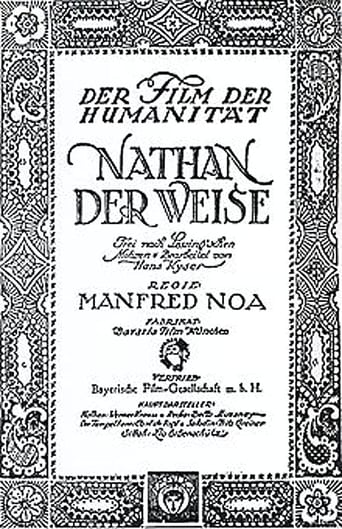
Titles linked here include I Don't Want to Be a Man (1918), The Yellow Ticket (1918).
When was Margarete Kupfer born and when did she die?
Born October 10, 1881; died May 11, 1952.
What awards did Margarete Kupfer win?
There are no documented major awards or nominations for Margarete Kupfer, which was common for character actors and supporting performers of her era, particularly in German cinema where formal acting awards were not as established as in later years.
What was Margarete Kupfer's acting style?
Kupfer was known for her expressive character acting style that was particularly effective in silent cinema. She excelled at conveying emotion through facial expressions and body language, specialized in matronly roles, and demonstrated excellent comedic timing in her collaborations with Lubitsch.