
I Don't Want to Be a Man
"Swap the dress — swap the rules"
Keys: Space play/pause · ←/→ 10s · F fullscreen · M mute · </> speed
About this film
Teenager Ossi complains that her governess forbids smoking and late nights, so she buys men's clothes and bribes a tailor to teach her masculine manners. Out on the town she flirts with women, fends off male suitors, and discovers that gender performance is harder than it looked.
Cast & crew
More films like this

More Comedy films
View all →







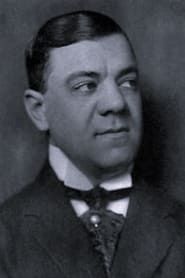
More from Ernst Lubitsch
View all →
More about this film
About the production
Release date1918-11-15
ProductionProjektions-AG Union (PAGU)
Filmed inBerlin, Germany
Filmed during the final year of World War I in Germany, this film was part of Lubitsch's early career before he moved to Hollywood. The production utilized innovative camera techniques and sophisticated visual storytelling that were ahead of their time. The film's cross-dressing theme was particularly daring for its era, pushing boundaries of what was acceptable in cinema during the conservative wartime period. Ossi Oswalda's costume transformations required multiple wardrobe changes and careful attention to detail in the male disguise.
Themes
Gender identitySocial role reversalWomen's independenceComing of ageSocial conventions
Themes & topics
cross-dressinggender disguisetomboyguardianmistaken identitysocial satiregender rolescomedysilent filmGerman cinema
Historical background
Ernst Lubitsch directed the gender-bending comedy in November 1918, just as the German Empire collapsed and Weimar modernity opened new social possibilities on screen.
Why this film matters
Ich möchte kein Mann sein anticipates later cross-dressing comedies and is cited in feminist film history for Ossi's agency and Lubitsch's wit.
Making of
Ernst Lubitsch, already an established director in Germany by 1918, crafted this gender-bending comedy with remarkable sophistication for the silent era. The production took place in Berlin during the tumultuous final months of World War I, yet the film maintains an escapist, light-hearted tone. Ossi Oswalda, who had previously worked with Lubitsch, underwent extensive preparation for her dual-gender role, studying male mannerisms and body language. The costume department created multiple outfits for her transformation, with particular attention to making her male disguise believable while still allowing for comedic moments. The film's innovative use of visual gags and situational comedy demonstrated Lubitsch's growing mastery of cinematic storytelling techniques that would later influence Hollywood comedy.
What critics said
Berlin critics enjoyed Ossi Oswald's energy; later scholarship values the film as a key Lubitsch silent before his Hollywood career.
Did you know?
- This was one of Ernst Lubitsch's last German films before moving to Hollywood in 1922
- Ossi Oswalda was nicknamed 'The German Mary Pickford' due to her popularity and acting style
- The film's German title 'Ich möchte kein Mann sein' translates literally to 'I don't want to be a man'
- This was one of the earliest films to explore gender-bending themes in a comedic context
- The film was considered quite progressive for its time, addressing women's independence and gender equality
- Ernst Lubitsch reportedly discovered Ossi Oswalda when she was working as a bank clerk
- The film featured innovative use of iris shots and sophisticated editing techniques
- Despite being made during wartime, the film maintains a light, comedic tone
- The male disguise scenes required Ossi Oswalda to learn masculine mannerisms and walking styles
- the production helped establish the 'Lubitsch touch' - his signature style of sophisticated wit and visual storytelling
Visual style
The cinematography by Theodor Sparkuhl employed innovative techniques for the era, including sophisticated camera movements and creative framing. The film made effective use of iris shots to focus attention and create visual punctuation. The lighting techniques enhanced the comedy, particularly in scenes highlighting the contrast between Ossi's feminine and masculine presentations. The visual storytelling relied heavily on composition and blocking to convey humor and character development without dialogue. The film's visual style demonstrated the growing sophistication of German cinema in the late 1910s, with careful attention to mise-en-scène and visual gags that would become hallmarks of Lubitsch's later work.
Innovations
The film demonstrated advanced editing techniques for its time, including sophisticated cross-cutting and scene transitions. The use of multiple camera angles and movements showed the growing technical sophistication of German cinema. The costume design and makeup for Ossi Oswalda's gender transformation were technically impressive for the era. The film's pacing and rhythm demonstrated Lubitsch's mastery of comedic timing in the silent format. The visual gags and situational comedy were executed with technical precision that would influence comedy filmmaking for decades.
Music
As a silent film, it would have been accompanied by live musical performance in theaters. The original score has not survived, but contemporary screenings typically feature period-appropriate piano or orchestral accompaniment. The music would have emphasized the comedic moments and supported the emotional beats of the story. Modern restorations often feature newly composed scores that attempt to capture the film's playful and progressive spirit. The absence of dialogue made the visual comedy and musical accompaniment particularly important for conveying the film's sophisticated humor.
Famous quotes
(As a silent film, quotes are derived from intertitles) 'I want to be free like a man!'
'Being a man is much harder than I thought'
'Society has different rules for different people'
'Freedom comes with its own responsibilities'
'Sometimes we don't appreciate what we have until we lose it'
Memorable scenes
- Ossi's transformation scene where she tries on men's clothing for the first time, struggling with the unfamiliar garments and practicing masculine mannerisms in front of a mirror
- The restaurant scene where Ossi, disguised as a man, attempts to navigate male social codes and etiquette with comical results
- The confrontation scene where her disguise is partially revealed, creating tension and misunderstanding
- The final resolution where Ossi returns to her female identity but with newfound understanding and confidence
What audiences thought
The film was well-received by German audiences in 1918, who appreciated its light-hearted escapism during the difficult final months of the war. Ossi Oswalda's performance was particularly popular, cementing her status as one of Germany's leading comedy actresses. The film's success contributed to Lubitsch's growing reputation excelled in sophisticated comedy. Modern audiences rediscovering the film through restorations and film festivals have been impressed by its progressive themes and surprisingly contemporary feel. The gender-bending elements continue to resonate with contemporary viewers, demonstrating the timelessness of its social commentary.
Film connections
Influenced by
- Earlier German comedies
- Shakespearean gender-bending plays
- European theatrical traditions
- German expressionist cinema (emerging movement)
This film influenced
- Victor/Victoria (1982)
- Some Like It Hot (1959)
- Tootsie (1982)
- Mrs. Doubtfire (1993)
- Yentl (1983)
- Shakespeare in Love (1998)
Film restoration
The film has been preserved and restored by film archives. A restored version is available through various film institutions and has been screened at classic film festivals. The restoration has maintained the visual quality while ensuring this important piece of cinema history remains accessible to modern audiences.
Where to watch
- Available on DVD/Blu-ray from specialty distributors
- Streaming on classic film platforms
- Screenings at film archives and museums
- Available through educational film collections
- Some public domain versions may be found online