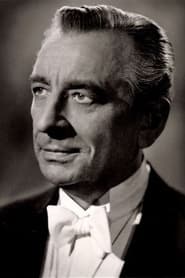
Curt Goetz
Actor & Director
Born: November 17, 1888 in Mainz, German Empire Died: September 12, 1960 Active: 1912-1960 Birth Name: Kurt Walter Götz
Films
3 films
About Curt Goetz
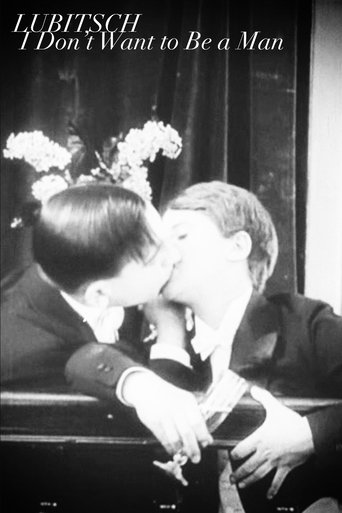
Made significant contributions to both silent and sound cinema. Born Kurt Walter Götz, he began his career on the stage before transitioning to film during the silent era, appearing in notable German productions such as Ernst Lubitsch's 'I Don't Want to Be a Man' (1918). His sophisticated wit and comedic timing made him a beloved figure in German theater and cinema throughout the 1920s and 1930s. Goetz was particularly known for his clever comedies and farces, many of which he wrote himself, showcasing his talent as both a performer and playwright. After the rise of the Nazi regime, Goetz, who was of Jewish descent, emigrated to the United States in 1939, though he eventually returned to Europe. He continued his successful career in Switzerland after World War II, where he became popular theatrical figures. His work often featured sophisticated dialogue, mistaken identities, and elegant comedy that appealed to intellectual audiences. Goetz's legacy includes numerous stage plays, films, and radio adaptations that continued to be performed long after his death.
The Craft
On Screen
Known for his sophisticated comedic timing, elegant delivery, and intellectual wit. Goetz specialized in drawing-room comedies, often playing charming, witty gentlemen characters. His acting style combined precise diction with subtle physical comedy, making him particularly effective in both silent and sound films. He had a unique ability to convey complex emotions through minimal gestures and facial expressions.
Behind the Camera
As a director, Goetz favored precise, elegant compositions that complemented his sophisticated comedic material. He emphasized dialogue and character development over visual spectacle, creating intimate chamber pieces that highlighted the wit of his scripts. His direction was known for its restraint and attention to timing, allowing the comedic elements to unfold naturally.
Milestones
- Breakthrough role in Ernst Lubitsch's 'I Don't Want to Be a Man' (1918)
- Successful transition from silent films to sound cinema
- Prolific playwright with over 20 comedy plays written
- Emigration to America in 1939 due to Nazi persecution
- Post-war success in Swiss theater and film
- Adaptation of his own plays into successful films
Best Known For
Iconic Roles
Must-See Films
Accolades
Won
- German Film Award for Best Screenplay (1951)
- Bambi Award (1951)
- Swiss Film Prize for Best Film (1952)
Nominated
- German Film Award nomination for Best Director (1951)
- Venice Film Festival Golden Lion nomination (1952)
Special Recognition
- Order of Merit of the Federal Republic of Germany
- Honorary citizenship of Basel, Switzerland
- Curt Goetz Society established in his memory
- Multiple theaters in Germany and Switzerland named after him
Working Relationships
Worked Often With
Studios
Why They Matter
Impact on Culture
Curt Goetz significantly influenced German-language comedy and theater, particularly through his sophisticated drawing-room comedies that blended intellectual wit with accessible humor. His work represented a bridge between the sophisticated theatrical traditions of the early 20th century and modern comedy. His plays became staples of German-language theater and continue to be regularly performed decades after his death. Goetz's ability to survive and thrive despite political persecution made him a symbol of artistic resilience and integrity.
Lasting Legacy
Curt Goetz left an enduring legacy as. His plays, including 'Hokuspokus' and 'Das Haus in Montevideo,' remain part of the standard repertoire in German-speaking theaters. His film adaptations introduced his sophisticated humor to wider audiences and influenced subsequent generations of comedy filmmakers. The Curt Goetz Society continues to preserve and promote his work, ensuring that his contribution to theater and cinema remains recognized.
Who They Inspired
Goetz influenced numerous German and Swiss comedians and playwrights who followed him, particularly in the realm of sophisticated verbal comedy. His blend of intellectual wit with popular appeal paved the way for later comedy writers who sought to create humor that was both clever and accessible. His work demonstrated that comedy could tackle serious themes while remaining entertaining, influencing the development of the comedy of manners in German-language theater and film.
Off Screen
Curt Goetz married actress Valérie von Martens in 1934, who became his frequent collaborator and leading lady in many of his works. The couple had one daughter, Christina Goetz, who also pursued a career in the arts. Goetz was known for his intellectual pursuits outside of acting, including his passion for classical music and literature. His Jewish heritage led to his persecution during the Nazi era, forcing his emigration to the United States in 1939. After World War II, he settled in Switzerland, where he spent his remaining years continuing his successful theatrical career.
Education
Studied acting at the Max Reinhardt acting school in Berlin
Family
- Valérie von Martens (1934-1960)
Did You Know?
- His real name was Kurt Walter Götz, which he anglicized to Curt Goetz for his stage career
- He was a talented painter and created many artworks throughout his life
- His play 'Hokuspokus' has been adapted into films multiple times, including versions in 1930, 1953, and 1966
- He spoke multiple languages fluently, including German, English, French, and Italian
- During his exile in America, he worked briefly in Hollywood but found little success
- His comedy style was often compared to that of Noël Coward for its sophistication and wit
- He wrote over 20 plays, many of which became huge successes in German-speaking countries
- His wife Valérie von Martens appeared in nearly all of his later works
- He was an accomplished pianist and often performed for friends and family
- The house in Montevideo mentioned in his famous play was fictional, but inspired many to visit the real city
In Their Own Words
Comedy is tragedy plus time. I just prefer to skip the waiting period.
The secret to good comedy is timing. The secret to great comedy is intelligence.
I write not to make people laugh, but to make them think while they're laughing.
In the theater, as in life, the most serious moments often contain the seeds of the greatest comedy.
A good joke is like a good wine - it needs time to mature, but when it does, it's unforgettable.
Frequently Asked Questions
Who was Curt Goetz?
German-Swiss actor, playwright, and on YTB.my. He was a prominent figure in German-language theater and cinema from the 1910s through the 1950s, particularly celebrated for his witty drawing-room comedies that combined intellectual humor with broad appeal.
What films is Curt Goetz best known for?
Titles linked here include I Don't Want to Be a Man (1918), All for Money (1923).
When was Curt Goetz born and when did he die?
Born November 17, 1888; died September 12, 1960.
What awards did Curt Goetz win?
Goetz received several prestigious awards including the German Film Award for Best Screenplay in 1951, the Bambi Award in 1951, and the Swiss Film Prize for Best Film in 1952. He was also honored with the Order of Merit of the Federal Republic of Germany and received honorary citizenship of Basel.
What was Curt Goetz's acting style?
Goetz was known for his sophisticated comedic timing, elegant delivery, and intellectual wit. He specialized in drawing-room comedies, often playing charming, witty gentlemen with precise diction and subtle physical comedy. His style was particularly effective in both silent and sound films due to his ability to convey complex emotions through minimal gestures.