
Ossi Oswalda
Actor
Born: February 2, 1899 in Berlin, German Empire Died: March 7, 1947 Active: 1916-1927 Birth Name: Oswalda Stäglich
Films
6 films

About Ossi Oswalda
Ossi Oswalda was born Oswalda Stäglich in Berlin, Germany, and rose to become one of German cinema's first major film stars during the silent era. She was discovered by director Ernst Lubitsch while working as a dancer and made her film debut in 1916, quickly establishing herself as a comedic talent with remarkable screen presence. Her collaboration with Lubitsch proved to be incredibly fruitful, resulting in a series of sophisticated comedies that showcased her unique blend of innocence, mischief, and physical comedy. By 1919, she had become Germany's highest-paid actress, earning the nickname 'The German Mary Pickford' for her popularity and box office appeal. Her career reached its peak between 1916 and 1922, during which she starred in numerous successful films that often played with gender roles and social conventions. After her partnership with Lubitsch ended when he moved to Hollywood, her career began to decline despite attempts to work with other directors. She made her last film in 1927 and largely disappeared from public life, spending her later years in relative obscurity before her death in West Berlin in 1947.
The Craft
On Screen
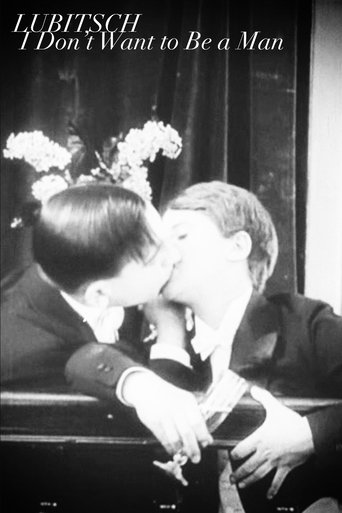
Ossi Oswalda was known for her energetic, expressive, and highly physical comedic style that perfectly suited the silent film medium. She possessed a remarkable ability to convey complex emotions through subtle facial expressions and exaggerated body language, often playing with gender conventions and social expectations. Her performances were characterized by a unique blend of childlike innocence and worldly sophistication, allowing her to portray both naive ingenues and cunning manipulators with equal skill. Oswalda's comedic timing was exceptional, and she had a particular talent for slapstick and visual gags that transcended language barriers. She often played characters who challenged traditional gender roles, dressing as men or adopting masculine mannerisms in films like 'I Don't Want to Be a Man', showcasing her versatility and willingness to push boundaries.
Milestones
- Discovered by Ernst Lubitsch while working as a dancer
- Became Germany's highest-paid actress by 1919
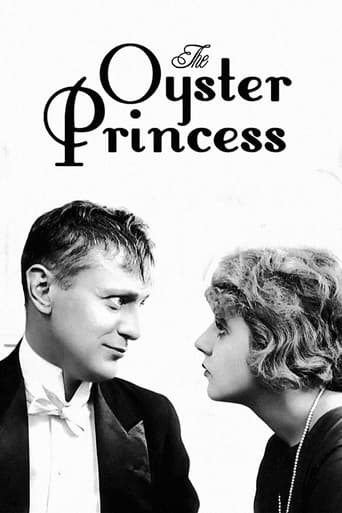
- Starred in the groundbreaking comedy 'The Oyster Princess' (1919)
- Collaborated with Ernst Lubitsch on multiple successful films
- Earned the nickname 'The German Mary Pickford'
- Pioneered gender-bending roles in silent comedy
- International recognition for her work in German cinema
Best Known For
Iconic Roles
Must-See Films
Accolades
Special Recognition
- Star on the Berlin Walk of Fame (Boulevard der Stars)
- Honored in multiple German film retrospectives
- Featured in the Museum of Modern Art's Weimar Cinema exhibition
- Recognized as a figure in German silent comedy
Working Relationships
Worked Often With
Studios
Why They Matter
Impact on Culture
Ossi Oswalda played a significant role in establishing German cinema as a major cultural force during the silent era, particularly in the comedy genre. Her films with Ernst Lubitsch helped define the sophisticated, urbane style of German comedy that would influence filmmakers worldwide. By frequently portraying characters who challenged gender norms and social conventions, she contributed to early cinematic explorations of identity and sexuality that were remarkably progressive for their time. Her international success demonstrated that German cinema could compete with Hollywood productions, helping to establish Germany as a major film-producing nation during the Weimar Republic. The visual style and narrative techniques developed in her Lubitsch collaborations would later influence Hollywood comedy and screwball films of the 1930s and 1940s. Her work remains an important subject of film scholarship, particularly in studies of gender representation in early cinema and the development of film comedy as an art form.
Lasting Legacy
Ossi Oswalda's legacy endures through her groundbreaking work in silent comedy and her role in establishing the template for the modern film comedienne. Her films, particularly those made with Ernst Lubitsch, are considered classics of German cinema and continue to be studied and screened at film festivals and retrospectives worldwide. She paved the way for future generations of female comedians in German cinema, demonstrating that women could be the primary box office draws in comedy films. Her willingness to tackle gender-bending roles and challenge social conventions through her performances made her a figure in cinematic representations of gender fluidity. Film historians recognize her as a crucial figure in the development of sophisticated film comedy, with her work influencing countless filmmakers and performers who followed. Though her star faded quickly with the advent of sound film, her contribution to silent cinema remains significant, and her best films continue to captivate audiences with their wit, charm, and technical innovation.
Who They Inspired
Ossi Oswalda's influence can be seen in the work of later comedic actresses who followed in her footsteps, both in Germany and internationally. Her energetic physical style and willingness to push gender boundaries influenced performers like Marlene Dietrich (who also began in German silent films) and later Hollywood comediennes such as Carole Lombard and Claudette Colbert. The sophisticated comedy style developed in her Lubitsch films directly influenced the development of screwball comedy in Hollywood during the 1930s. Her success as a female comedic lead helped establish the viability of women-centered comedy films, paving the way for future stars like Mae West and Lucille Ball. Contemporary filmmakers and scholars continue to reference her work when discussing early cinema's treatment of gender and sexuality. Her films remain important teaching tools in film studies programs worldwide, illustrating the artistic and technical achievements of German silent cinema at its peak.
Off Screen
Ossi Oswalda married Baron Kuno von Forstner in 1921, a union that ended in divorce in 1924. She later married industrialist Julius Haidvogel in 1925, but this marriage also ended in divorce. Her personal life was marked by financial difficulties after her film career declined, and she struggled to maintain the lavish lifestyle she had enjoyed during her peak years. Despite her earlier fame, she lived her final years in relative obscurity and modest circumstances in West Berlin. She had no children and largely withdrew from public life after retiring from films, maintaining only limited contact with former colleagues from her film days.
Education
Trained as a dancer before entering films, though specific educational institutions are not documented in available records
Family
- Baron Kuno von Forstner (1921-1924)
- Julius Haidvogel (1925-1927)
Did You Know?
- She was discovered by Ernst Lubitsch when she was only 17 years old while working as a dancer
- Her stage name 'Ossi' was a diminutive of her birth name Oswalda
- She earned approximately 25,000 marks per film at her peak, making her Germany's highest-paid actress
- The nickname 'The German Mary Pickford' was given to her by American journalists
- She often performed her own stunts in her films, including dangerous pratfalls and acrobatic sequences
- Her films were among the first German movies to achieve significant international distribution
- She was known for her distinctive bobbed haircut, which became a fashion trend among young German women
- Despite her success, she never made the transition to sound films successfully
- Her final years were spent working as a housekeeper to support herself
- Several of her films were considered lost for decades before being rediscovered in various film archives
- She was one of the first film stars to have merchandise (dolls and postcards) marketed with her likeness
In Their Own Words
In the film world, one must be either very clever or very beautiful. I was neither, so I had to become an actress.
Comedy is the most difficult art form. To make people laugh requires more intelligence than to make them cry.
When Lubitsch discovered me, I was just a girl who loved to dance. He made me a star, but the price was losing the freedom to be ordinary.
Frequently Asked Questions
Who was Ossi Oswalda?
German silent film actress who became one of Germany's biggest stars in the late 1910s, known primarily for her comedic roles in films directed by Ernst Lubitsch. She earned the nickname 'The German Mary Pickford' for her popularity and was the country's highest-paid actress by 1919.
What films is Ossi Oswalda best known for?
Titles linked here include The Oyster Princess (1919), I Don't Want to Be a Man (1918).
When was Ossi Oswalda born and when did she die?
Born February 2, 1899; died March 7, 1947.
What awards did Ossi Oswalda win?
During her active years in the 1910s and 1920s, formal film awards were not yet established in Germany, so Ossi Oswalda did not receive official awards during her career. However, she has been posthumously honored with a star on the Berlin Walk of Fame and recognized in film retrospectives as a figure in German cinema.
What was Ossi Oswalda's acting style?
Ossi Oswalda was known for her energetic, physical comedic style characterized by expressive facial expressions, exaggerated body language, and exceptional timing. She often played with gender conventions and social expectations, portraying both naive ingenues and cunning characters with equal skill, making her particularly effective in silent film comedy.