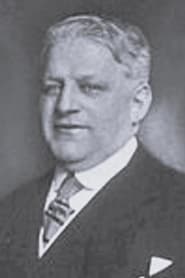
Ferry Sikla
Actor
Born: March 11, 1863 in Hamburg, Germany Died: February 17, 1932 Active: 1912-1932 Birth Name: Friedrich Sikla
Films
2 films
About Ferry Sikla
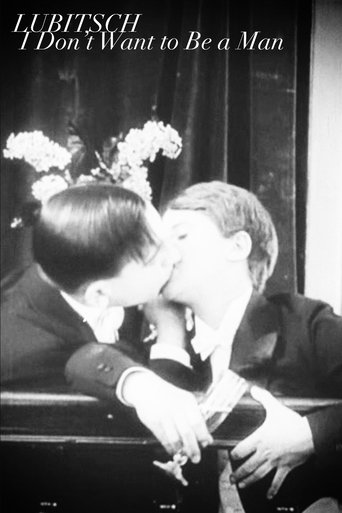
Ferry Sikla, born Friedrich Sikla, was a German actor who successfully transitioned from a prolific theater career to become a prominent figure in German silent cinema. Beginning his artistic journey on the stages of Hamburg and Berlin in the late 19th century, Sikla established himself as a versatile character actor before the advent of cinema. His film career blossomed during the golden age of German silent film, where he became particularly known for his collaborations with director Ernst Lubitsch, appearing in several of the director's early masterpieces. Sikla's most celebrated performance came in Lubitsch's gender-bending comedy 'I Don't Want to Be a Man' (1918), where he portrayed the protective father with perfect comedic timing and paternal warmth. Throughout the 1910s and early 1920s, he appeared in dozens of German productions, often cast as authority figures, fathers, and comedic characters whose expressive acting style perfectly suited the silent medium. His career continued through the transition to sound films, though his output decreased in his later years. Sikla remained active in the entertainment industry until his death in 1932, leaving behind a legacy as one of German cinema's character actors who helped establish the foundations of film acting in Germany.
The Craft
On Screen
Sikla's acting style was characteristic of the silent film era, featuring expressive facial expressions and exaggerated physical gestures that effectively conveyed emotion without dialogue. His theatrical background brought a stage-trained precision to his performances, allowing him to master both comedic timing and dramatic gravitas. He excelled at portraying paternal figures with warmth and authority, using subtle physical comedy to enhance his characterizations. His technique involved using his entire body as an instrument of expression, from the way he carried himself to the smallest hand gestures, making him particularly effective in the medium of silent film.
Milestones
- Stage career in Hamburg and Berlin theaters before transitioning to film
- Breakthrough role in Ernst Lubitsch's 'I Don't Want to Be a Man' (1918)
- Frequent collaborator with Ernst Lubitsch in his early German films
- character actor in German silent cinema
- Successful transition from theater to film acting
Best Known For
Iconic Roles
Must-See Films
Accolades
Special Recognition
- Recognized as a figure in German silent cinema
Working Relationships
Worked Often With
Studios
Why They Matter
Impact on Culture
Ferry Sikla played a significant role in the development of German silent cinema as one of the character actors who helped establish the acting techniques and character archetypes that would define the era. His work with Ernst Lubitsch contributed to the evolution of German film comedy, particularly in films that explored themes of gender roles and social satire. Sikla's portrayal of paternal figures helped establish the template for father characters in German cinema, blending authority with comedic elements. His successful transition from theater to film demonstrated the viability of stage actors in the new medium of cinema, encouraging other theatrical performers to embrace film. Through his numerous performances, Sikla contributed to the international recognition of German cinema during its golden age, helping establish Germany as a major force in global film production during the silent era.
Lasting Legacy
Ferry Sikla's legacy endures as a representative of the generation of theater-trained actors who successfully adapted their craft to the new medium of cinema. His performances, particularly in Lubitsch's early films, are studied by film historians as examples of the sophisticated character acting that elevated German silent films above mere entertainment. Sikla represents the bridge between 19th-century theatrical traditions and 20th-century cinematic art, embodying the artistic evolution that occurred during this transitional period. His work continues to be preserved and screened in film archives and retrospectives dedicated to German silent cinema, allowing new generations to appreciate the craft of early film acting. Sikla's career shows the importance of character actors in creating the early cinema, supporting leading performers while establishing memorable personas that enhanced the films' emotional and comedic impact.
Who They Inspired
Ferry Sikla influenced subsequent generations of German character actors through his demonstrated ability to bring theatrical gravitas to film performances without appearing overly stage-bound. His technique of blending comedy with sincere emotion became a model for actors portraying father figures and authority roles in German cinema. The success of his collaboration with Ernst Lubitsch helped establish the importance of director-actor partnerships in creating memorable film performances. Sikla's career path from theater to film provided a blueprint for other stage actors considering the transition to cinema, demonstrating how theatrical training could be adapted to the specific demands of film acting. His performances in early German comedies contributed to the development of the sophisticated comedic style that would later influence international cinema, particularly through Lubitsch's later Hollywood career.
Off Screen
Ferry Sikla was married to actress Rosa Porten, with whom he frequently collaborated both on stage and screen. Their marriage was both personal and professional, with the couple often performing together in theatrical productions and films. They had a daughter named Eva Porten, who also followed in her parents' footsteps to become an actress. Sikla's family was deeply entrenched in the German entertainment industry, creating a theatrical dynasty that spanned multiple generations. His personal life reflected his professional dedication to the performing arts, with his home life often revolving around theater and film projects.
Education
Theatrical training in Hamburg and Berlin (specific institutions not documented)
Family
- Rosa Porten (married until his death in 1932)
Did You Know?
- Born Friedrich Sikla but used 'Ferry' as his professional stage name
- Began his career as a stage actor long before appearing in films
- Was already in his 50s when he made his film debut, making him a rare example of an actor who found film success later in life during that era
- His wife Rosa Porten was also a successful actress and they frequently performed together
- Appeared in over 40 films during his career, though many have been lost to time
- Worked during the revolutionary period of German cinema (1918-1933) that produced many influential films
- His daughter Eva Porten continued the family acting tradition
- Collaborated with Ernst Lubitsch during the director's formative years in Germany before Lubitsch moved to Hollywood
- Was part of the generation of actors who witnessed the transition from silent films to talkies
- His performances often featured the subtle humor and social commentary characteristic of Weimar-era German cinema
In Their Own Words
The stage teaches you what the camera cannot show - the soul behind the eyes.
In silence, the actor must speak louder than words ever could.
Frequently Asked Questions
Who was Ferry Sikla?
German with credits in this catalog. He is best known for his collaborations with director Ernst Lubitsch, particularly his role as the father in the groundbreaking comedy 'I Don't Want to Be a Man' (1918).
What films is Ferry Sikla best known for?
Titles linked here include I Don't Want to Be a Man (1918), The Doll (1919).
When was Ferry Sikla born and when did he die?
Born March 11, 1863; died February 17, 1932.
What awards did Ferry Sikla win?
During Ferry Sikla's active period (1912-1932), the formal award systems for cinema were not yet established in Germany. While he didn't receive formal awards, he was recognized as a significant contributor to German silent cinema and is remembered today as a character actor who helped establish the foundations of German film acting.
What was Ferry Sikla's acting style?
Ferry Sikla's acting style was characteristic of the silent film era, featuring expressive facial expressions and physical gestures that conveyed emotion without dialogue. His theatrical background brought precision to his performances, allowing him to master both comedic timing and dramatic gravitas, particularly in paternal and authority roles.