
Guido Herzfeld
Actor
Born: December 14, 1870 in Berlin, Germany Died: December 13, 1941 Active: 1914-1932
Films
3 films

About Guido Herzfeld
Prominent German character actor of the silent film era who began his career on the stage before transitioning to cinema. Born in Berlin in 1870, he established himself as a versatile performer in theatrical productions before making his film debut in the early 1910s. Herzfeld became a familiar face in German cinema during the 1910s and 1920s, often collaborating with acclaimed director Ernst Lubitsch in several of his early comedies. His distinctive appearance and expressive acting style made him particularly suited for character roles, frequently portraying merchants, officials, and authority figures. Despite his successful career in German cinema, the rise of the Nazi regime dramatically altered his life, and as a Jewish artist, he faced persecution. His career effectively ended with the advent of sound films and the increasing anti-Semitic policies in Germany. Tragically, Herzfeld died in the Theresienstadt Ghetto in 1941, becoming one of many victims of the Holocaust among the German artistic community.
The Craft
On Screen
Herzfeld was known for his expressive, theatrical style typical of the silent era, using exaggerated gestures and facial expressions to convey emotion. His background in stage acting informed his screen presence, bringing a commanding physicality to his character roles. He specialized in portraying authority figures, merchants, and sometimes comedic characters, bringing depth and authenticity to supporting roles that enhanced the main narratives.
Milestones
- Stage career in Berlin theaters before transitioning to film
- Collaboration with director Ernst Lubitsch in multiple films
- Key roles in early German silent cinema classics
- Appearances in over 60 films during his career
- Survival as a working actor through the transition from silent to sound films
Best Known For
Iconic Roles
Must-See Films
Working Relationships
Worked Often With
Studios
Why They Matter
Impact on Culture
Guido Herzfeld's career represents the vibrant Jewish contribution to German cinema during its formative years. His work in early German silent films, particularly his collaborations with Ernst Lubitsch, helped establish the foundation for what would become one of the world's most influential film industries. As a character actor, he provided essential supporting performances that enriched the narratives of early German cinema, contributing to the development of film language and storytelling techniques that would influence cinema globally. His tragic death during the Holocaust symbolizes the devastating loss of artistic talent and cultural heritage that occurred during this dark period of history.
Lasting Legacy
Guido Herzfeld's legacy is preserved through his surviving film works, which serve as important historical documents of early German cinema. His performances in films by Ernst Lubitsch and other notable directors provide insight into the acting styles and cinematic techniques of the silent era. While not as widely remembered as some of his contemporaries, his story is significant as part of the broader narrative of Jewish artists who contributed to German culture before being systematically destroyed by the Nazi regime. His films continue to be studied by film historians and enthusiasts interested in the development of German cinema and the contributions of Jewish artists to early film.
Who They Inspired
As a character actor in the formative years of German cinema, Herzfeld contributed to establishing the importance of supporting roles in film narrative structure. His work with directors like Ernst Lubitsch helped shape the development of film comedy and character-driven storytelling in German cinema. While specific influences on other actors are difficult to trace, his professional approach and versatility in character roles exemplified the standards of performance that would influence subsequent generations of German actors.
Off Screen
Guido Herzfeld was born into a Jewish family in Berlin and maintained his Jewish identity throughout his life, which ultimately sealed his tragic fate during the Nazi era. Details about his personal life and family are scarce, but his active years covered the tumultuous period of German history from the Imperial era through the Weimar Republic. His death in Theresienstadt represents the tragic intersection of art and politics during the Holocaust, where many Jewish artists and intellectuals perished.
Education
Stage acting training in Berlin theaters, likely through apprenticeship system common in late 19th century German theater
Did You Know?
- Born in Berlin in 1870, making him part of the first generation of film actors who transitioned from stage to screen
- Appeared in over 60 films during his 18-year film career
- Worked frequently with Ernst Lubitsch, one of Germany's most influential early directors
- Died in Theresienstadt Ghetto on December 13, 1941, one day before his 71st birthday
- His film 'The Yellow Ticket' (1918) was one of the first films to deal with Jewish persecution in Tsarist Russia
- Many of his films were lost or destroyed during World War II, making his surviving works particularly valuable
- His active years covered the entire silent era in Germany, from the early 1910s through the transition to sound
- He often played stereotypical Jewish characters, which was common for Jewish actors in German cinema of the era
- His death in Theresienstadt represents the tragic fate of many Jewish artists who perished in the Holocaust
- His collaboration with Pola Negri in multiple films placed him in the company of one of Europe's biggest silent film stars
Frequently Asked Questions
Who was Guido Herzfeld?
German character actor active in silent cinema during the 1910s and 1920s, known for his work in early German films, particularly his collaborations with on YTB.my.
What films is Guido Herzfeld best known for?
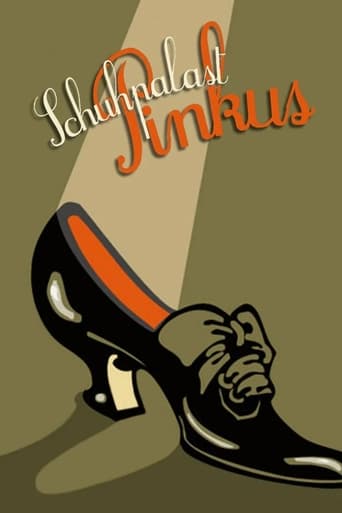
Titles linked here include Pinkus's Shoe Palace (1916), The Yellow Ticket (1918).
When was Guido Herzfeld born and when did he die?
Born December 14, 1870; died December 13, 1941.
What awards did Guido Herzfeld win?
There are no documented awards or honors received by Guido Herzfeld, which was common for character actors in the silent film era.
What was Guido Herzfeld's acting style?
Herzfeld employed the expressive, theatrical style typical of silent film actors, using exaggerated gestures and facial expressions to convey emotion, particularly excelling in character roles as merchants and authority figures.
How did Guido Herzfeld die?
Guido Herzfeld died in the Theresienstadt Ghetto in 1941 as a victim of the Holocaust, representing the tragic fate of many Jewish artists during the Nazi regime.
Did Guido Herzfeld work with any famous directors?
Yes, he collaborated frequently with Ernst Lubitsch, one of Germany's most influential early directors, appearing in several of his comedies including 'Pinkus's Shoe Palace' and 'The Oyster Princess'.
How many films did Guido Herzfeld appear in?
Guido Herzfeld appeared in over 60 films during his career spanning from 1914 to 1932, though many of these films have been lost or destroyed over time.