
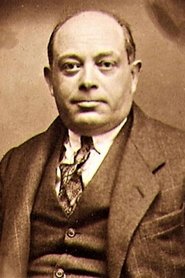
Adolf E. Licho
Actor
Born: December 13, 1879 in Kherson, Russian Empire (now Ukraine) Died: May 11, 1944 Active: 1913-1942 Birth Name: Adolf Licho
Films
2 films

About Adolf E. Licho
Adolf E. Licho worked on one surviving credit: The Yellow Ticket (1918). Born in the Russian Empire, he established himself as a versatile character actor in numerous German productions, often portraying sophisticated gentlemen, authority figures, or antagonists. His career flourished during the golden age of German Expressionist cinema, where he appeared in several notable films alongside luminaries of the era. Licho's performances in 'The Yellow Ticket' (1918) and 'From Morning to Midnight' (1920) showcased his ability to convey complex emotions through the subtle techniques demanded by silent film acting. As the Nazi regime rose to power, Licho, being of Jewish heritage, was forced to flee Germany and eventually settled in the United States where he continued his acting career, albeit in smaller roles. His transition from European art cinema to Hollywood represents the journey of many talented artists displaced by political upheaval in the 1930s. Licho's contributions to both German and American cinema spanned nearly three decades, leaving an indelible mark on the early film industry.
The Craft
On Screen
Licho was known for his refined, expressive acting style that perfectly suited the demands of silent film, using subtle facial expressions and body language to convey complex emotions. His performances often featured a dignified presence with the ability to transform from sophisticated gentlemen to menacing antagonists with remarkable versatility. Licho's training in theater informed his cinematic technique, bringing a theatrical gravitas to his screen roles that resonated with audiences of the silent era.
Milestones
- Breakthrough role in German silent cinema (1913)
- Notable performance in 'The Yellow Ticket' (1918)
- Critical acclaim in 'From Morning to Midnight' (1920)
- Successful transition to Hollywood films (1930s)
- Established as a character actor in both European and American cinema
Best Known For
Iconic Roles
Must-See Films
Accolades
Special Recognition
- Recognized as a significant contributor to German Expressionist cinema
- Remembered as part of the generation of European artists who enriched Hollywood during the 1930s
Working Relationships
Worked Often With
Studios
Why They Matter
Impact on Culture
Adolf E. Licho represents the bridge between European artistic cinema and the emerging Hollywood studio system, embodying the cultural exchange that enriched both film traditions. His work during the German Expressionist period contributed to a revolutionary cinematic movement that would influence filmmakers worldwide for decades. As one of the many Jewish artists forced to emigrate due to political persecution, Licho's journey reflects the tragic displacement of talent during the Nazi era while also highlighting the resilience of artists who continued their creative work in exile. His performances in landmark silent films helped establish the vocabulary of cinematic acting that would evolve with the transition to sound.
Lasting Legacy
Licho's legacy endures through his contributions to the golden age of German cinema, particularly his work in films that exemplify the Expressionist movement's impact on visual storytelling. His career trajectory from European art cinema to Hollywood mirrors the broader narrative of film history in the first half of the 20th century. While not as widely remembered as some of his contemporaries, Licho's body of work serves as important documentation of the artistic achievements of Jewish filmmakers in pre-Nazi Germany. His films continue to be studied by cinema historians and enthusiasts as examples of the sophisticated artistry that characterized German silent cinema.
Who They Inspired
Licho influenced subsequent generations of character actors through his demonstration of how subtle, nuanced performances could enhance even supporting roles. His work in German Expressionist cinema contributed to the development of visual storytelling techniques that would be adopted by filmmakers worldwide. The professionalism and adaptability he showed in transitioning between different film industries served as a model for other international actors working in Hollywood during the studio era.
Off Screen
Adolf Licho was married to fellow actress Lydia Potechina, with whom he frequently collaborated on stage and screen. The couple shared both personal and professional lives, often appearing together in theatrical productions and films. As Jewish artists, they faced increasing persecution under the Nazi regime, which forced them to leave Germany and seek refuge in the United States. Licho's later years in America were marked by continued work in character roles, though never achieving the same prominence he enjoyed in German cinema.
Education
Classical theatrical training in Germany, likely at one of the major German acting conservatories
Family
- Lydia Potechina (married, years unknown)
Did You Know?
- Born in Kherson, Russian Empire (now Ukraine) but became a prominent figure in German cinema
- Was married to actress Lydia Potechina, with whom he frequently collaborated
- Like many Jewish artists, was forced to flee Germany when the Nazis came to power
- Successfully transitioned from German art cinema to American commercial films
- Worked during the revolutionary period of German Expressionist cinema
- His active years covered the transition from silent films to early talkies
- Appeared in films with some of the biggest stars of the silent era, including Pola Negri
- Represented the international character of early cinema, working across different countries and film industries
- His later Hollywood roles were often uncredited or minor, reflecting the challenges faced by European émigré actors
- Died in Los Angeles, far from his European origins but having made significant contributions to world cinema
In Their Own Words
No documented famous quotes from Adolf E. Licho are available in historical records, which was common for character actors of the silent era who rarely gave interviews or published memoirs.
Frequently Asked Questions
Who was Adolf E. Licho?
Screen credits include numerous German Expressionist films before emigrating to the United States due to Nazi persecution. He was particularly known for his roles in 'The Yellow Ticket' (1918) and 'From Morning to Midnight' (1920), representing the sophisticated character acting style of German cinema's golden age.
What films is Adolf E. Licho best known for?
Titles linked here include The Yellow Ticket (1918), From Morning to Midnight (1920).
When was Adolf E. Licho born and when did he die?
Born December 13, 1879; died May 11, 1944.
What awards did Adolf E. Licho win?
There are no documented major awards or formal recognitions received by Adolf E. Licho during his career. This was common for many character actors of the silent era, particularly those who worked primarily in supporting roles. His contributions are recognized through film historical scholarship rather than formal awards.
What was Adolf E. Licho's acting style?
Licho's acting style was characterized by refined expressiveness perfectly suited to silent film, using subtle facial expressions and body language to convey complex emotions. He brought theatrical gravitas to his screen roles, excelling at portraying sophisticated gentlemen and authority figures with dignity and versatility.
Why did Adolf E. Licho leave Germany?
Adolf E. Licho left Germany due to the rise of the Nazi regime and the persecution of Jewish artists. As a Jewish actor, he faced increasing restrictions and dangers under Nazi rule, forcing him to emigrate to the United States where he continued his acting career, though in smaller roles than he had enjoyed in Germany.
How did Adolf E. Licho contribute to cinema history?
Licho contributed to cinema history through his work in the German Expressionist movement, which revolutionized visual storytelling and influenced filmmakers worldwide. His career also exemplifies the cultural exchange between European art cinema and Hollywood, as well as the tragic displacement of Jewish artists during the Nazi era who enriched American film with their European training and experience.