
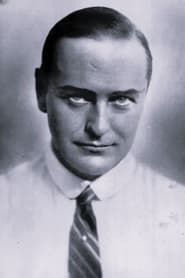
Harry Liedtke
Actor
Born: October 12, 1882 in Königsberg, East Prussia, Germany (now Kaliningrad, Russia) Died: April 28, 1945 Active: 1912-1944
Films
13 films



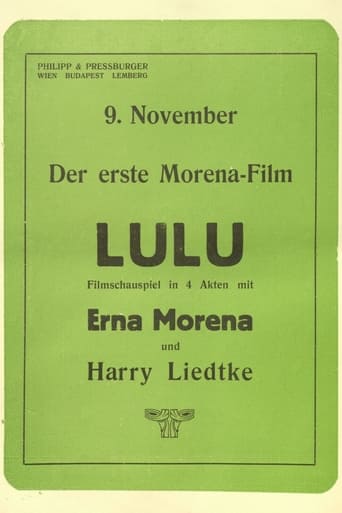
About Harry Liedtke
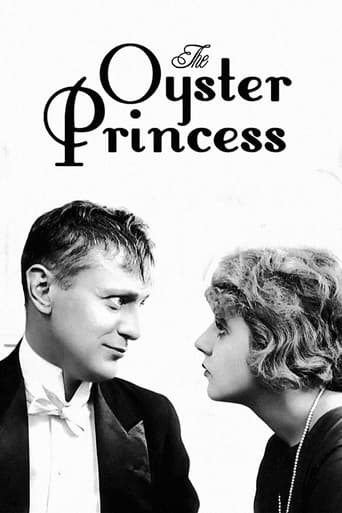
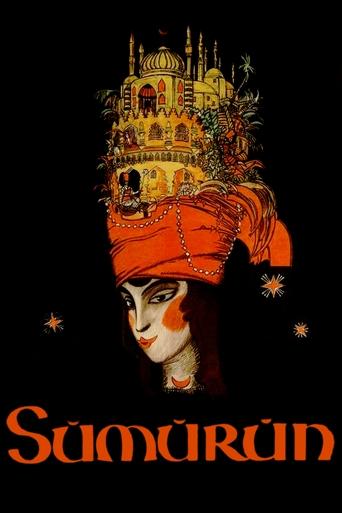
Prominent German silent film actor who rose to fame during the golden age of German cinema in the 1910s and 1920s. He began his career on stage before transitioning to film in 1912, quickly becoming a popular leading man known for his romantic roles and handsome appearance. Liedtke achieved his greatest success through his collaborations with director Ernst Lubitsch, starring in numerous comedies and romantic dramas that showcased his charismatic screen presence. His most notable films during this period include 'The Oyster Princess' (1919), 'The Doll' (1919), and 'Sumurun' (1920), which were both critical and commercial successes. With the advent of sound films, Liedtke's career gradually declined, though he continued to appear in supporting roles throughout the 1930s and early 1940s. His life came to a tragic end in April 1945 when Soviet soldiers invaded his home during the final days of World War II, resulting in his death along with his wife Christa Tordy. Despite his relatively short period of stardom, Liedtke in the history of German silent cinema, remembered for his contributions to the sophisticated comedies and romantic dramas of the Weimar era.
The Craft
On Screen
Liedtke was known for his elegant, sophisticated acting style that embodied the romantic leading man archetype of German silent cinema. His performances were characterized by a refined charm, graceful movements, and the ability to convey deep emotion through subtle facial expressions and gestures. He excelled in romantic comedies, bringing a light, witty touch to his roles while maintaining the dignity expected of a leading man. His screen presence was particularly effective in Lubitsch's sophisticated comedies, where his urbane manner and romantic appeal complemented the director's elegant visual style.
Milestones
- Stage debut in 1908 at the Stadttheater in Freiburg
- Film debut in 1912 with 'Zwischen Himmel und Erde'
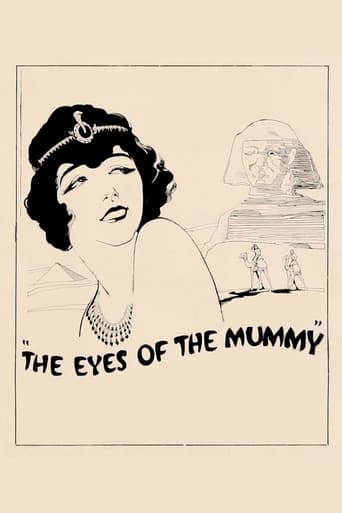
- Breakthrough role in 'The Eyes of the Mummy' (1918)
- Major success with Ernst Lubitsch collaborations including 'The Oyster Princess' (1919)
- International recognition with 'Sumurun' (1920)
- Transition to sound films in early 1930s
- Final film appearance in 'Münchhausen' (1943)
Best Known For
Iconic Roles
Must-See Films
Accolades
Special Recognition
- Star on the Boulevard der Stars in Berlin (posthumously honored in 2011)
Working Relationships
Worked Often With
Studios
Why They Matter
Impact on Culture
Harry Liedtke played a significant role in establishing the archetype of the romantic leading man in German silent cinema, particularly through his work with Ernst Lubitsch. His elegant screen presence and sophisticated acting style helped define the tone of German romantic comedies during the Weimar Republic era, influencing how romantic heroes were portrayed in subsequent German films. Liedtke's international success in films like 'Sumurun' helped demonstrate the global appeal of German cinema in the early 1920s, contributing to the period known as the 'Golden Age' of German film. His collaborations with Lubitsch were particularly important in developing the sophisticated visual and narrative style that would later influence Hollywood comedies. Though his star faded with the advent of sound, Liedtke's body of work remains an important part of German film history, representing the transition from theatrical acting styles to more naturalistic screen performances.
Lasting Legacy
Harry Liedtke's legacy endures as. His films, especially 'The Oyster Princess' and 'The Doll,' are regularly screened at film festivals and retrospectives celebrating German silent cinema, introducing new generations to his charismatic screen presence. Film historians consider Liedtke an important figure in the development of the sophisticated comedy genre in German cinema, with his work serving as a bridge between theatrical acting traditions and the emerging naturalism of film performance. The tragic circumstances of his death have also contributed to his legendary status, symbolizing the many cultural figures whose lives were cut short during World War II. In 2011, he was posthumously honored with a star on the Boulevard der Stars in Berlin, ensuring that his contributions to German cinema continue to be recognized and remembered.
Who They Inspired
Liedtke influenced subsequent generations of German actors through his refined approach to romantic leading roles, demonstrating how to balance charm with dignity on screen. His work with Lubitsch helped establish a template for sophisticated comedy that would later be adopted and adapted by filmmakers in Hollywood and beyond. Younger German actors in the 1920s and early 1930s looked to Liedtke as a model for how to transition from stage acting to the more intimate medium of film, particularly in romantic roles. His ability to convey emotion through subtle rather than exaggerated gestures influenced the broader trend toward more naturalistic acting styles in German cinema during the 1920s.
Off Screen
Harry Liedtke's personal life was marked by two significant marriages to prominent actresses and a tragic end during World War II. His first marriage to the celebrated actress Käthe Dorsch lasted from 1921 to 1928 and was. After their divorce, Liedtke married actress Christa Tordy in 1932, with whom he remained until his death. The couple lived together in Alt-Glienicke, near Berlin, where they met their tragic fate when Soviet soldiers invaded their home during the final days of the war. According to accounts, the soldiers shot both Liedtke and his wife after a misunderstanding, bringing a violent end to the life of one of German cinema's early romantic leading men.
Education
Trained at the theater school in Königsberg; received classical acting training for stage performance
Family
- Käthe Dorsch (1921-1928)
- Christa Tordy (1932-1945)
Did You Know?
- Was discovered by film director Richard Oswald while performing on stage
- Appeared in over 150 films during his career
- His most productive period was between 1918 and 1925 when he made dozens of films
- Was one of the highest-paid actors in Germany during the early 1920s
- His films with Pola Negri were particularly popular internationally
- Spoke multiple languages which helped in international productions
- His final film 'Münchhausen' (1943) was
- Was 62 years old when he died, still active in the film industry
- His death occurred just days before the end of World War II in Europe
- Many of his silent films have been preserved and restored by film archives
- His stage background included classical theater and opera performances
- Was known for his professionalism and reliability on set
- His romantic scenes with Pola Negri created some of the most memorable moments in silent cinema
In Their Own Words
The camera is a much more honest critic than any theater audience
In film, the smallest gesture can speak louder than the most dramatic speech on stage
Working with Lubitsch taught me that comedy is not about being funny, but about being human
Frequently Asked Questions
Who was Harry Liedtke?
Prominent German silent film with credits in this catalog. He was particularly known for his collaborations with director Ernst Lubitsch and starred in numerous German silent films including 'The Oyster Princess' and 'The Doll'.
What films is Harry Liedtke best known for?
Titles linked here include The Oyster Princess (1919), The Doll (1919).
When was Harry Liedtke born and when did he die?
Born October 12, 1882; died April 28, 1945.
What awards did Harry Liedtke win?
During his lifetime, Harry Liedtke did not receive major formal awards, as many film honors were not established during the peak of his career. However, he was posthumously honored with a star on the Boulevard der Stars in Berlin in 2011, recognizing his significant contributions to German cinema.
What was Harry Liedtke's acting style?
Harry Liedtke was known for his elegant and sophisticated acting style that embodied the romantic leading man archetype of German silent cinema. His performances featured refined charm, graceful movements, and the ability to convey deep emotion through subtle facial expressions and gestures, making him particularly effective in romantic comedies and dramas.
How did Harry Liedtke die?
Harry Liedtke died tragically on April 28, 1945, just days before the end of World War II in Europe. Soviet soldiers invaded his home in Alt-Glienicke, Germany, and shot both him and his wife Christa Tordy after a misunderstanding, bringing a violent end to the life of the celebrated silent film actor.
Who were Harry Liedtke's frequent collaborators?
Harry Liedtke's most significant collaborator was director Ernst Lubitsch, with whom he made many of his most famous films. He also frequently worked with actresses Pola Negri, Ossi Oswalda, and Henny Porten, as well as actor Victor Janson. These collaborations helped define the sophisticated style of German romantic comedies during the silent era.