The Eyes of the Mummy
"Eyes that sell a lie"
Keys: Space play/pause · ←/→ 10s · F fullscreen · M mute · </> speed
About this film
Egyptians Radu and Ma milk British tourists out of their money by offering phony tours of a mummy's tomb-- Radu has the girl lend her eyes to the "mummy" from inside an empty sarcophagus. When adventurer Wendland comes to visit the tomb, Ma is rescued and falls in love with him,.
Cast & crew
More films like this

More Drama films
View all →







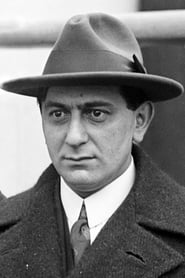
More from Ernst Lubitsch
View all →
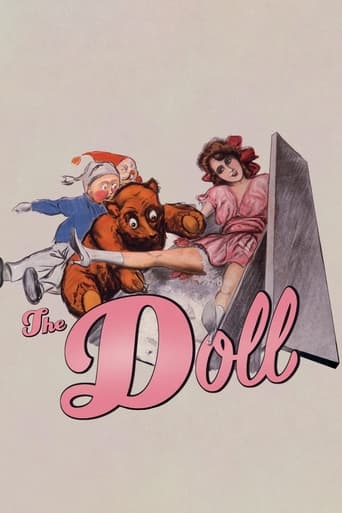

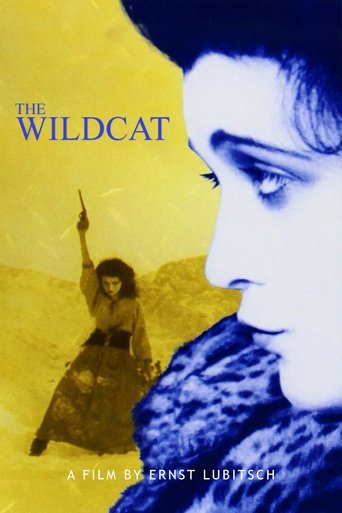
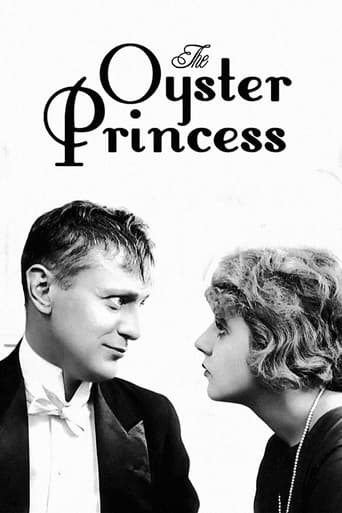
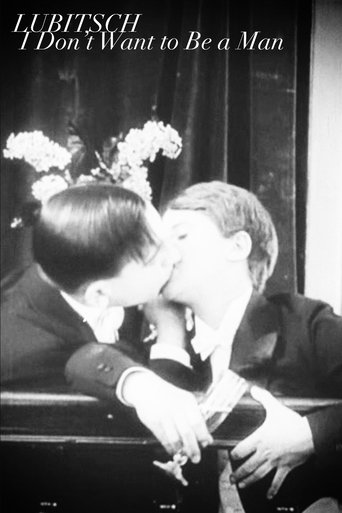
More about this film
About the production
Release dateOctober 3, 1918 (Germany)
Box officeUnknown - but was commercially successful in Germany and internationally
ProductionUnion-Film, Projektions-AG 'Union' (PAGU)
Filmed inBerlin, Germany, Studio sets designed to resemble Egypt
The film was shot entirely on studio sets in Berlin during the final months of World War I. Lubitsch created elaborate Egyptian temple sets that were remarkably detailed for the time. The production faced shortages of film stock and resources due to wartime conditions. Pola Negri performed many of her own stunts, including scenes inside the sarcophagus. The film's exotic settings were created through painted backdrops and careful set design rather than location shooting.
Themes
Obsession and possessionFreedom vs. captivityDeception and truthCultural exoticismTransformation and redemption
Themes & topics
Historical background
The Eyes of the Mummy reached screens around its release year, produced in its country of origin.
Why this film matters
Researchers cite The Eyes of the Mummy when tracing screen culture of its decade.
Making of
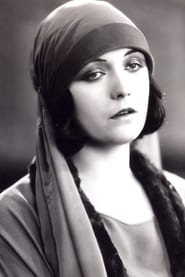
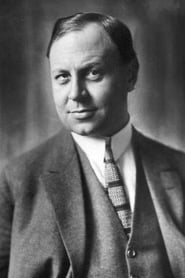
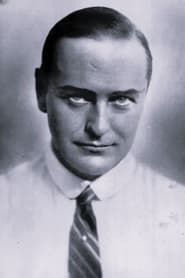
The making of 'The Eyes of the Mummy' occurred during a tumultuous period in German history, with World War I ending during production. Director Ernst Lubitsch was already establishing himself as one of Germany's most promising young directors, and this film showcased his ability to blend melodrama with visual sophistication. Pola Negri, then just 20 years old, delivered a breakout performance that caught the attention of international distributors. The production team faced significant challenges due to wartime shortages, including limited access to quality film stock and lighting equipment. Lubitsch compensated by using natural lighting from studio skylights and innovative camera techniques. The chemistry between Negri and Liedtke was so genuine that Lubitsch encouraged them to develop their scenes improvisationally within his structured framework. Emil Jannings, already an established star in German cinema, brought theatrical intensity to his role as the villainous Radu, using his physical presence to create a menacing character without the benefit of dialogue.
What critics said
Reviewers in its year weighed The Eyes of the Mummy on clarity, pacing, and audience response rather than prestige status. No single canonical review dominates later reference works for the title.
Did you know?
- This was one of the first films to feature Pola Negri in a starring role, helping launch her international career
- The film's original German title 'Die Augen der Mumie Ma' refers to the character Ma, not an actual mummy
- Ernst Lubitsch considered this film one of his early stepping stones to Hollywood success
- The film was shot during the Spanish Flu pandemic, which caused production delays
- Emil Jannings, who plays Radu, would later become the first winner of the Academy Award for Best Actor
- The film was distributed in the United States in 1920, helping establish Lubitsch's reputation in America
- Only incomplete copies of the film survive today, with some scenes lost to time
- The mummy sarcophagus prop was so realistic that it frightened some cast members between takes
- Harry Liedtke and Pola Negri would star together in several more Lubitsch films
- The film's success led to Lubitsch being recruited by Hollywood studios
Visual style
The cinematography by Theodor Sparkuhl employed innovative techniques for the time, including dramatic lighting to create atmosphere in the tomb scenes. Sparkuhl used chiaroscuro effects to enhance the mysterious and supernatural elements of the story. The camera work was more mobile than typical for 1918, with Lubitsch encouraging dynamic movement to follow the characters' emotional journeys. The Egyptian sets were photographed to maximize their exotic appeal, with careful attention to shadow and light to create depth and mystery. The film featured several close-ups of Pola Negri, which was still relatively innovative technique in 1918, allowing audiences to connect with her emotional performance. The cinematography balanced the romantic scenes with soft, diffused lighting against the harsh, dramatic lighting of the tomb sequences.
Innovations
The film showcased several technical innovations for its time, including sophisticated set design that created the illusion of vast Egyptian temples within the confines of a Berlin studio. Lubitsch employed innovative lighting techniques to create dramatic shadows and atmosphere, particularly in the tomb scenes. The film's use of focus and depth of field was more advanced than many contemporary productions. The sarcophagus mechanism that allowed Pola Negri to appear and disappear was a clever technical solution that created the supernatural effect. The production also experimented with camera movement and angles that were more dynamic than typical static shots of the era. The film's editing rhythm and pacing demonstrated a growing sophistication in narrative construction that was ahead of many contemporary productions.
Music
As a silent film, 'The Eyes of the Mummy' would have been accompanied by live musical performance during its original theatrical run. The score would have been compiled from classical pieces and popular songs of the era, with theater organists or small orchestras providing mood-appropriate music. For the dramatic tomb scenes, composers typically used mysterious, minor-key pieces, while romantic scenes featured lighter, more melodic selections. The exact musical selections varied by theater and region, as there was no standardized score. Modern restorations have been accompanied by newly composed scores that attempt to capture the film's blend of melodrama and exoticism. Some contemporary screenings use authentic period music to recreate the original viewing experience.
Famous quotes
The eyes of the mummy see everything - even the truth in your heart
Freedom is not given, it must be taken
Love is the only treasure worth dying for
Memorable scenes
- The opening tomb tour sequence where Ma first pretends to be the mummy's eyes, creating a supernatural spectacle that convinces the tourists of the curse
- The dramatic rescue scene where Wendland discovers Ma's true situation and helps her escape from Radu's control
- The climactic confrontation in Europe where Radu's obsession leads to a tragic showdown between the three main characters
What audiences thought
The Eyes of the Mummy was a commercial success in Germany upon its release in October 1918, drawing audiences eager for escapist entertainment during the final weeks of the war. The film's exotic setting and dramatic storyline resonated with viewers seeking distraction from wartime hardships. Pola Negri's performance created a sensation, and she quickly became one of Germany's most popular actresses. The film's international release was equally successful, particularly in Scandinavia and the United States, where it helped establish a market for German films. American audiences were particularly captivated by Negri's exotic beauty and intense performance style. The film's success led to increased demand for both Lubitsch's films and Pola Negri's performances, contributing to their eventual migration to Hollywood.
Film connections
Influenced by
- German Expressionist cinema
- Victorian melodrama
- Orientalist literature
- Ancient Egyptian mythology
- Gothic horror traditions
This film influenced
- The Mummy (1932)
- The Sheik (1921)
- German melodramas of the 1920s
- Hollywood exotic adventure films
Film restoration
The film survives in incomplete form with some scenes lost. A restored version is held by the Friedrich Wilhelm Murnau Foundation and various film archives. The existing prints show signs of deterioration but have been digitally restored where possible. The film is considered partially lost, with approximately 75-80% of the original content surviving in various archives worldwide.
Where to watch
- Available on DVD from specialty silent film distributors
- Streaming on some classic film platforms
- Occasionally screened at film festivals and cinematheques
- Available through some university film archives
- Public domain versions may be found on internet archives