Films
2 films
About Max Laurence
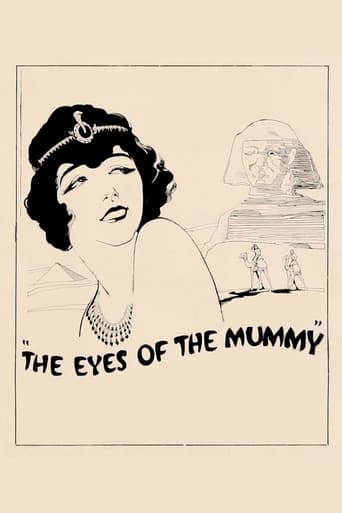
German silent film actor who emerged during the golden age of German cinema in the 1910s and 1920s. He worked primarily in the German film industry, appearing in numerous productions during the silent era. His most notable appearance was in Ernst Lubitsch's 1918 film 'The Eyes of the Mummy' (Die Augen der Mumie Ma), where he acted alongside the Pola Negri. Laurence was part of the vibrant German film scene that produced many influential directors and actors during the Weimar period. Like many character actors of his era, he often played supporting roles that contributed to the German silent cinema. His the crucial transition years of German film, from the early experimental period to the more sophisticated productions of the mid-1920s. While not a major star, his work in films like 'The Eyes of the Mummy' has preserved his place in cinema history as a contributor to this important artistic movement.
The Craft
On Screen
As a silent film actor, Max Laurence employed the exaggerated gestures and expressive techniques typical of the era, using facial expressions and body language to convey emotions and character motivations without dialogue. His style was likely influenced by the German Expressionist movement that dominated much of German cinema during his active years.
Milestones
- Appeared in Ernst Lubitsch's 'The Eyes of the Mummy' (1918)
- Worked during the golden age of German silent cinema
- Collaborated with prominent German directors of the era
- Part of the Weimar period film movement
- Appeared in numerous German silent productions throughout the 1920s
Best Known For
Iconic Roles
Must-See Films
Working Relationships
Worked Often With
Studios
Why They Matter
Impact on Culture
Max Laurence represents the countless character actors and supporting players who were essential to the vibrant German silent film industry. While not a major star, his participation in films like 'The Eyes of the Mummy' contributes to our understanding of the collaborative nature of early cinema. These actors formed the backbone of productions that would later influence international cinema, particularly during the German Expressionist movement that had a profound impact on Hollywood film noir and other genres. His work, preserved in surviving films, shows the rich artistic community that existed in German cinema during this crucial period.
Lasting Legacy
Max Laurence's legacy is preserved through his surviving film work, particularly 'The Eyes of the Mummy,' which remains an important example of early Ernst Lubitsch's direction and Pola Negri's stardom. As a representative of the German silent film era, he embodies the contributions of the many actors who worked behind the scenes of major productions. His career spans a pivotal period in cinema history, documenting the transition from early film techniques to more sophisticated storytelling methods that would define the late silent era.
Who They Inspired
As a supporting actor during the German silent era, Max Laurence's direct influence on subsequent generations of performers is difficult to trace, but he was part of the German film community that would later influence Hollywood and international cinema. The techniques and styles developed by actors during this period, including those like Laurence, contributed to the evolution of screen acting that would be adapted and modified as cinema transitioned to sound and beyond.
Off Screen
Very little is documented about Max Laurence's personal life, which is not uncommon for supporting actors from the silent era, especially in European cinema. Records from this period are often incomplete, particularly for actors who were not major stars. Like many actors of his generation, his life was likely impacted by the political and social upheavals in Germany during the Weimar period and the rise of the Nazi regime, which dramatically affected the German film industry.
Did You Know?
- 'The Eyes of the Mummy' was one of the early collaborations between Ernst Lubitsch and Pola Negri, both of whom would later have major careers in Hollywood
- The film was produced during World War I, a time when German cinema was experiencing significant growth despite international isolation
- German silent cinema of this era was known for its technical innovation and artistic sophistication
- Many German actors of this period, including Laurence, worked across multiple genres from historical epics to contemporary dramas
- The preservation of silent films from this era is incomplete, making surviving performances like Laurence's particularly valuable to film historians
- German actors in the 1920s often worked with multiple production companies as the studio system was less rigid than in Hollywood
- The transition to sound in the late 1920s ended many careers of silent era actors, particularly those with heavy accents or limited vocal training
Frequently Asked Questions
Who was Max Laurence?
German silent film with credits in this catalog.' He was a supporting player in the German film industry during its golden age.
What films is Max Laurence best known for?
Titles linked here include The Eyes of the Mummy (1918).
When was Max Laurence born and when did he die?
Exact birth and death dates for Max Laurence are not well documented, which is common for supporting actors from the silent era. He was active in German cinema from approximately 1916 to 1928.
What awards did Max Laurence win?
There are no documented awards or honors for Max Laurence, which was typical for many supporting actors of the silent era, particularly in European cinema where formal award systems were less established than in later Hollywood.
What was Max Laurence's acting style?
As a silent film actor, Max Laurence likely employed the exaggerated gestures and expressive facial techniques typical of the era, influenced by the German Expressionist movement that characterized much of German cinema during his active years.