Films
3 films
About Marga Köhler
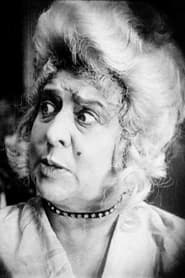
German actress who worked during the silent film era, primarily in the early 1920s. Her career, though brief, saw her collaborate with some of Germany's most prominent directors of the time, including Ernst Lubitsch. Marga appears in several notable German productions between 1919 and 1921, showcasing her talents in both comedic and dramatic roles. Her work in Lubitsch's films demonstrated her ability to adapt to the expressive acting style required by silent cinema. Unfortunately, like many actors from this period whose careers were cut short by the transition to sound films or other circumstances, detailed records of her life and career remain scarce. Her filmography, though limited, represents an important contribution to the golden age of German silent cinema.
The Craft
On Screen
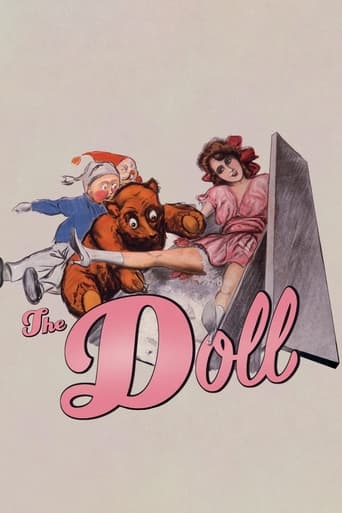
As a silent film actress, Köhler employed the exaggerated physical expressions and gestures typical of the era, using her facial expressions and body language to convey emotion in the absence of dialogue. Her performances in comedies like The Doll demonstrated her timing and ability to work within Lubitsch's sophisticated visual storytelling style.
Milestones
- Appeared in Ernst Lubitsch's The Doll (1919)
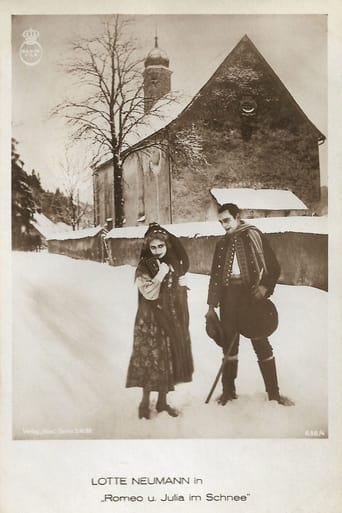
- Starred in Romeo and Juliet in the Snow (1920)
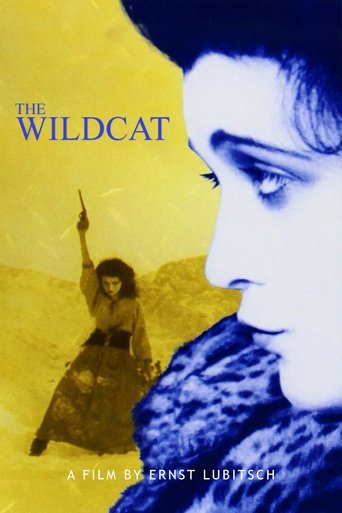
- Featured role in The Wildcat (1921) directed by Ernst Lubitsch
Best Known For
Iconic Roles
Must-See Films
Working Relationships
Worked Often With
Studios
Why They Matter
Impact on Culture
Marga Köhler represents the many talented actors who contributed to the vibrant German silent film industry but whose names have faded from popular memory. Her work in films by Ernst Lubitsch places her within the context of. While not a major star, her contributions helped create the ensemble performances that made these early German films so distinctive and influential on international cinema.
Lasting Legacy
Marga Köhler's legacy lies in her participation in several significant works of German silent cinema, particularly her collaborations with Ernst Lubitsch, who would later become one of Hollywood's most respected directors. Her films, especially The Doll and The Wildcat, are studied today as examples of early German cinematic sophistication and humor. Though her individual contributions may be small, she represents the countless dedicated actors who formed the backbone of the European film industry during its formative years.
Who They Inspired
As a supporting actress in influential German productions, Köhler was part of the artistic ecosystem that helped develop cinematic techniques and storytelling methods that would influence filmmakers worldwide. Her work in Lubitsch's comedies contributed to the evolution of cinematic humor and visual wit that would later become hallmarks of sophisticated comedy in both European and American cinema.
Off Screen
Very little documented information exists about Marga Köhler's personal life, which is common for many supporting actors from the silent era who did not achieve major stardom. Like many actors of her time, she likely faced the challenges of the rapidly changing film industry, including the difficult transition from silent to sound films in the late 1920s.
Did You Know?
- Appeared in three films between 1919-1921, suggesting a brief but focused career
- Worked with director Ernst Lubitsch twice, indicating a professional relationship
- The Doll (1919) is considered one of Lubitsch's early masterpieces of German cinema
- The Wildcat (1921) was one of Lubitsch's last German films before moving to Hollywood
- Like many silent era actors, her career coincided with a particularly creative period in German film history
- Her filmography represents the transition period in German cinema between World War I and the rise of expressionism
- The limited documentation of her life is typical of many supporting actors from the silent era who did not achieve lasting fame
Frequently Asked Questions
Who was Marga Köhler?
German actress who worked during the silent film era in the early 1920s, appearing in several notable German productions including films directed by Ernst Lubitsch.
What films is Marga Köhler best known for?
Titles linked here include The Doll (1919), Romeo and Juliet in the Snow (1920).
When was Marga Köhler born and when did she die?
Unfortunately, specific birth and death dates for Marga Köhler are not well-documented, which is common for many supporting actors from the silent film era.
What awards did Marga Köhler win?
There are no documented awards or nominations for Marga Köhler, which was typical for many actors of her time, especially those in supporting roles.
What was Marga Köhler's acting style?
As a silent film actress, Köhler used the expressive physical acting style characteristic of the era, relying on facial expressions, gestures, and body language to convey emotion in the absence of dialogue.
Did Marga Köhler work with any famous directors?
Yes, she worked twice with Ernst Lubitsch, one of Germany's most important early directors who later became a Hollywood legend, appearing in his films The Doll (1919) and The Wildcat (1921).