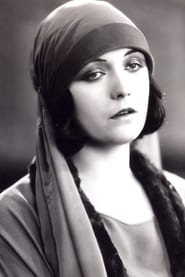
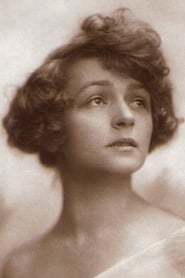
The Polish Dancer
"A runaway dancer falls for a married man willing to leave his family."
Keys: Space play/pause · ←/→ 10s · F fullscreen · M mute · </> speed
About this film
Runaway dancer runs away from her parents' house to support herself and attracts the attentions of a married man, who is prepared to abandon his wife and child for her.
Cast & crew
More films like this

More Drama films
View all →






More from Aleksander Hertz
View all →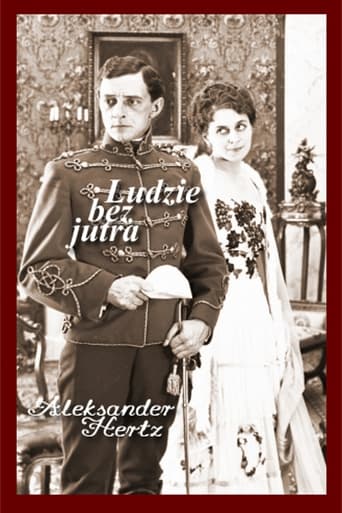
More about this film
About the production
Release dateJanuary 1917
ProductionSfinks
Filmed inWarsaw, Poland
The Polish Dancer was produced during the German occupation of Poland in World War I, making its creation particularly remarkable given the wartime circumstances. The film was shot on location in Warsaw, utilizing the city's existing theaters and cabarets as authentic backdrops. Production faced numerous challenges including film stock shortages and restrictions imposed by occupying forces. The film was one of the earliest Polish productions to feature international distribution potential, thanks to Pola Negri's growing fame.
Themes
Female independence and autonomySocial hypocrisy and double standardsThe price of passion and desireClass conflict and social mobilityMoral ambiguity in wartime society
Themes & topics
cabaret danceradulteryrunawayforbidden lovesocial scandalindependent womanmarried manmoral conflictworld war Iurban lifeclass differencesseductionfamily betrayalartistic expressionsexual liberation
Historical background
By 1917, distribution networks were widening, and The Polish Dancer reached viewers through the same short-program bills that mixed comedy, news, and spectacle.
Why this film matters
Archivists and festival programmers revisit The Polish Dancer (1917) because it documents performance styles and craft choices that later mainstream releases refined or replaced.
Making of
The making of The Polish Dancer occurred during among the leading turbulent periods in Polish history, with Warsaw under German occupation during World War I. Director Aleksander Hertz, who ran the Sfinks film studio, recognized Pola Negri's star potential and cast her in this leading role that would showcase her dramatic range and exotic beauty. The production team had to navigate wartime restrictions, including curfews and film rationing imposed by occupying forces. Negri, who was only 23 at the time, brought her own experience as a former dancer to the role, insisting on performing her own dance sequences rather than using a double. The film's relatively bold themes of female sexuality and moral ambiguity were controversial but also contributed to its commercial success. The production utilized real Warsaw locations, including actual cabarets and theaters, which added authenticity but also required careful coordination with authorities. The film's international distribution was facilitated by German film companies who recognized its potential for export, helping launch Negri's career beyond Poland's borders.
What critics said
Press clipping files from 1917 rarely give The Polish Dancer headline space; mentions appear in roundup columns listing what played that week.
Did you know?
- This was Pola Negri's breakthrough role that launched her international career, eventually leading to her contract with Paramount Pictures in Hollywood.
- The film was originally titled 'Pokój nr 13' (Room No. 13) in some markets, but became internationally known as 'The Polish Dancer'.
- Pola Negri performed her own dance sequences in the film, showcasing her training as a dancer before entering acting.
- The film was considered quite scandalous for its time due to its depiction of a woman's sexual independence and infidelity themes.
- Only fragments of the original film are known to survive today, with some sequences preserved in Polish film archives.
- The movie was one of the first Polish films to be exported internationally, screening in Germany, Austria, and eventually the United States.
- Director Aleksander Hertz was one of Poland's pioneering film directors, establishing one of the country's first film production companies.
- The film's success helped establish the 'femme fatale' archetype in European cinema that Negri would later perfect in Hollywood.
- During production, Warsaw was under German occupation, and the filmmakers had to obtain special permits to continue shooting.
- The cabaret scenes were filmed in actual Warsaw nightclubs, providing an authentic glimpse into the city's entertainment scene during WWI.
Visual style
The cinematography of The Polish Dancer, while typical of the 1917 period, showed remarkable sophistication in its use of lighting and composition to enhance the dramatic narrative. The film employed chiaroscuro lighting techniques, particularly in the cabaret sequences, to create an atmosphere of moral ambiguity and danger that reflected the protagonist's journey. The camera work included innovative close-ups of Pola Negri, allowing her expressive face to convey complex emotions that would later become her trademark. The Warsaw locations were used effectively, with the cinematographer capturing the contrast between the protagonist's respectable middle-class background and the decadent world of the cabarets. The film's visual style incorporated elements of German Expressionism that were beginning to influence European cinema, with dramatic shadows and angular compositions enhancing the psychological tension. The dance sequences were particularly well-shot, using dynamic camera movements and editing rhythms that matched the musical accompaniment. The surviving footage shows a deliberate artistic vision that elevated the film beyond mere entertainment to serious visual storytelling.
Innovations
The Polish Dancer showcased several technical achievements that were notable for Polish cinema in 1917. The film demonstrated sophisticated editing techniques, including cross-cutting between parallel actions to build dramatic tension and create psychological depth. The use of location shooting in Warsaw was innovative for the period, providing authentic urban settings that contrasted with the more common studio-bound productions of the era. The film's lighting techniques, particularly in interior scenes, showed advanced understanding of how to use illumination to create mood and character development. The makeup and costume design for Pola Negri were particularly noteworthy, helping establish her distinctive screen image that would later influence Hollywood glamour standards. The film's pacing and narrative structure showed maturity in storytelling techniques that were still developing in cinema worldwide. The technical quality of the surviving footage indicates a high level of craftsmanship in cinematography and film processing, remarkable given the wartime conditions under which it was produced. These achievements helped establish Polish cinema as technically competent and artistically ambitious on the international stage.
Music
As a silent film, The Polish Dancer would have been accompanied by live musical performance during its original theatrical run. The score likely consisted of popular Polish and European melodies of the period, with classical pieces used to underscore dramatic moments. The cabaret scenes would have featured authentic period music of the type actually performed in Warsaw nightclubs during World War I. The musical accompaniment would have been crucial in establishing the film's emotional tone, particularly in scenes of moral conflict and romantic tension. Theater organists or small orchestras would have adapted their performances to match the on-screen action, using leitmotifs for different characters and situations. The music would have reflected the film's Polish cultural context, incorporating folk elements and popular songs of the era. The score's role in enhancing the narrative was particularly important given the film's psychological complexity and emotional depth. Modern screenings of the film's surviving fragments typically use period-appropriate music to recreate the original viewing experience.
Famous quotes
I would rather die in freedom than live in chains
Love knows no laws but its own
Society forgives a man everything but a woman nothing
I dance not for them, but for myself
In this world, a woman's beauty is both her fortune and her curse
Memorable scenes
- The opening sequence where Lea defiantly packs her bags and leaves her family home, symbolizing her rejection of conventional society
- The cabaret performance where Lea first captivates the audience and Julian, showcasing Negri's dancing talent and magnetic screen presence
- The tense confrontation scene between Lea and Julian's wife, highlighting the film's exploration of female solidarity and competition
- The emotional climax where Lea must choose between her passionate love and the moral consequences of her actions
- The final scene where Lea, alone and contemplative, dances by herself, suggesting both her independence and isolation
What audiences thought
The Polish Dancer was a commercial success both in Poland and internationally, with audiences particularly drawn to Pola Negri's charismatic performance and the film's scandalous themes. Polish audiences embraced the film as a showcase of national talent during a difficult period of occupation, finding pride in its technical sophistication and artistic merit. The film's depiction of a woman pursuing her desires struck a chord with wartime audiences who were experiencing unprecedented social changes. In Germany and other European markets where it was distributed, audiences were fascinated by Negri's exotic beauty and the film's glimpse into Polish culture. The movie's emotional intensity and dramatic plot created strong word-of-mouth buzz, leading to extended runs in many theaters. Despite some moral objections from conservative viewers, the film's popularity helped establish Negri as a bankable star and paved the way for her transition to Hollywood. The audience reception demonstrated that international audiences were hungry for sophisticated dramatic films from outside the major production centers.
Film connections
Influenced by
- German Expressionist cinema
- Italian melodrama
- Scandinavian naturalism
- American serial films
- European theatrical traditions
This film influenced
- Sumurun (1920)
- The Wildcat (1921)
- Forbidden Paradise (1924)
- A Woman of the World (1925)
- Hotel Imperial (1927)
Film restoration
The Polish Dancer is considered a partially lost film, with only fragments and selected sequences surviving in various film archives. The most complete surviving material is held at the Filmoteka Narodowa (National Film Archive) in Warsaw, with additional fragments preserved at the Bundesarchiv-Filmarchiv in Berlin. Approximately 30-40% of the original film is believed to survive, including key sequences featuring Pola Negri's dance performances and dramatic scenes. The surviving footage has been digitally restored and preserved, though some deterioration is visible due to the age of the nitrate film stock. Efforts continue to locate missing sequences in private collections and smaller archives throughout Europe. The film's partial survival makes it a valuable but incomplete document of early Polish cinema and Pola Negri's early career. Some reconstructed versions have been created using existing footage and contemporary production stills to give a sense of the complete narrative.
Where to watch
- Filmoteka Narodowa (Polish National Film Archive) - occasional special screenings and digital access for researchers
- European Film Gateway - digitized fragments available for academic viewing
- Museum of Modern Art (MoMA) Film Archive - periodic screenings as part of silent film retrospectives
- San Francisco Silent Film Festival - occasional presentations with live musical accompaniment
- Bundesarchiv-Filmarchiv - access for scholarly research by appointment
- Various silent film streaming platforms - occasionally feature restored fragments