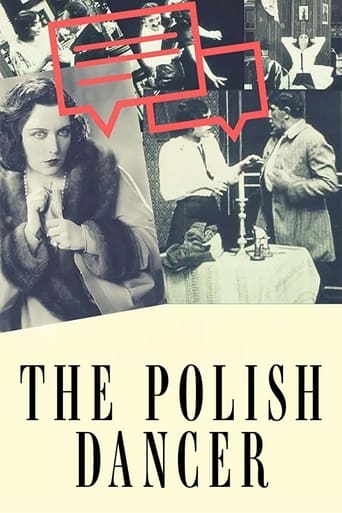
Films
1 film
About Maria Duleba
Made her mark during the silent film era with her appearance in 'The Polish Dancer' (1917). Her career was notably brief, with her entire documented filmography consisting of work from a single year. She emerged during a significant period in Polish cinema when the industry was establishing itself amidst the political turmoil of World War I. Like many actors of her era, she was part of the transition from theatrical performance styles to the more intimate medium of film. Her work in 'The Polish Dancer' represents one of the early examples of Polish national cinema attempting to capture cultural identity on screen. Unfortunately, like many performers from this period, particularly those with short careers, detailed documentation of her life and work has been lost to time. Her legacy survives primarily through this single film, which serves as an important artifact of early Polish cinematic history.
The Craft
Milestones
- Starred in 'The Polish Dancer' (1917), one of the early Polish feature films
Best Known For
Iconic Roles
Must-See Films
Why They Matter
Impact on Culture
Maria Duleba's contribution to cinema, though brief, is significant as part of the foundation of Polish national cinema. Her appearance in 'The Polish Dancer' represents an early attempt by Polish filmmakers to create cinema that reflected Polish culture and identity during a period when Poland was not an independent nation. The film itself is an important artifact showing how early Polish cinema sought to distinguish itself from other European film industries. While individual actors like Duleba may not have achieved lasting fame, collectively they helped establish the acting traditions and techniques that would influence subsequent generations of Polish performers. Her work exemplifies the transition from theatrical acting styles to the more subtle performance techniques required by the camera.
Lasting Legacy
Maria Duleba's legacy survives primarily through her participation in 'The Polish Dancer' (1917), which stands as an important early example of Polish feature filmmaking. While her personal career was brief, her contribution is part of the broader historical tapestry of Polish cinema's development during World War I. The film represents a crucial period when Polish artists were using cinema as a means of cultural expression and national identity preservation. Though she may not be remembered by name in mainstream film history, her work contributes to our understanding of how early Polish cinema developed and the types of stories and performances that characterized this formative period. Her story also illustrates how many talented performers from the silent era have been lost to history, with only fragments of their work remaining to testify to their contributions.
Who They Inspired
Due to the brevity of her documented career and the limited surviving information about her work, it's difficult to trace specific influences that Maria Duleba may have had on subsequent actors. However, as an early Polish film performer, she would have been part of establishing performance traditions in Polish cinema. Her work in 'The Polish Dancer' would have contributed to the development of acting styles appropriate for silent film, helping bridge the gap between theatrical performance and screen acting. Like many pioneers of early cinema, her influence is likely indirect, through her contribution to the establishment of Polish film culture rather than through specific mentorship or direct influence on individual performers.
Off Screen
Very little is documented about Maria Duleba's personal life, which was not uncommon for actors of the silent era, especially those with brief careers or who worked primarily in European cinema. The limited historical records focus mainly on her single known film appearance.
Did You Know?
- Appeared in only one known film, 'The Polish Dancer' (1917)
- Her entire documented active years covered just one year
- Worked during World War I, a challenging time for European cinema
- Part of the early generation of Polish film actors
- Her film represents an important artifact of early Polish national cinema
- Like many silent era actors, much of her personal history remains undocumented
- Her story illustrates how many early film performers have been lost to history
- Her work helps document the development of Polish cinema during its formative years
Frequently Asked Questions
Who was Maria Duleba?
Polish actress from the silent film era, known primarily for her starring role in 'The Polish Dancer' (1917). Her career was notably brief, with her entire documented filmography consisting of work from a single year during World War I.
What films is Maria Duleba best known for?
Titles linked here include The Polish Dancer (1917).
When was Maria Duleba born and when did she die?
Unfortunately, specific birth and death dates for Maria Duleba are not documented in available historical records, which is not uncommon for actors from this era, especially those with brief careers in European cinema.
What awards did Maria Duleba win?
There are no documented awards or nominations for Maria Duleba, which was typical for many actors of the silent era, particularly those working in European cinema during World War I when formal award systems were not yet established.
What was Maria Duleba's acting style?
Specific details about Maria Duleba's acting style are not documented, but as a silent film performer of 1917, she would have used the exaggerated gestures and facial expressions typical of the era, transitioning from theatrical traditions to screen-appropriate techniques.