
Aleksander Hertz
Director
Born: 1879 in Warsaw, Poland (Russian Empire) Died: 1928 Active: 1915-1921
Films
2 films
About Aleksander Hertz
Polish film director, producer, and screenwriter who in establishing Polish cinema during its formative years. Born in Warsaw in 1879 when Poland was under Russian partition, Hertz became one of the country's first professional filmmakers, working primarily during the silent era from 1915 to 1921. His most significant contribution was discovering and directing Pola Negri in her early films, most notably 'The Polish Dancer' (1917), which helped launch her international career. Hertz directed approximately 20 films, many of which have been lost over time, but his surviving works demonstrate a sophisticated understanding of cinematic storytelling techniques for the period. He worked for various production companies including Sphinx Film, helping to build a nascent Polish film industry during a time of political upheaval and national rebirth. Despite his relatively short career span of just six years, Hertz's influence on Polish cinema was substantial, particularly in establishing professional standards and introducing dramatic narrative techniques. His death in 1928 at age 49 cut short a career that might have further shaped Polish cinema during the transition to sound.
The Craft
Behind the Camera
Hertz's directing style was characterized by dramatic storytelling with strong emotional narratives, typical of the silent era's melodramatic conventions. He employed sophisticated camera techniques for the period, including dynamic camera movement and composition that enhanced the emotional impact of his stories. His films often featured strong female protagonists and explored themes of love, sacrifice, and social class, reflecting the cultural concerns of newly independent Poland. Hertz demonstrated particular skill in directing actors, especially in eliciting the expressive performances required for silent film, as evidenced by his work with Pola Negri.
Milestones
- Directed Pola Negri's breakthrough film 'The Polish Dancer' (1917)
- Pioneered Polish narrative cinema during the silent era
- Established professional film production standards in Poland
- Directed approximately 20 films in six-year career
- Helped launch international careers of Polish actors
- Worked during Poland's independence period after WWI
Best Known For
Must-See Films
Accolades
Special Recognition
- Recognized as a pioneer of Polish cinema
- Honored in Polish film history retrospectives
- Featured in Polish Film Institute's archives of early cinema
Working Relationships
Worked Often With
Studios
Why They Matter
Impact on Culture
Aleksander Hertz played a foundational role in establishing Polish cinema as a cultural and artistic medium during the nation's formative years of independence. His discovery and development of Pola Negri not only created Poland's first international film star but also demonstrated that Polish cinema could compete on an international level. Hertz's films reflected the social and cultural concerns of newly independent Poland, helping to shape national identity through cinema. His work established professional standards for film production in Poland, influencing subsequent generations of Polish filmmakers. Despite the loss of many of his films, Hertz's surviving works are studied as important examples of early European cinema and Polish cultural heritage.
Lasting Legacy
Aleksander Hertz's legacy endures as one of the architects of Polish cinema, particularly significant for his role in the silent era. His discovery and direction of Pola Negri represents. Film historians recognize Hertz as a pioneer who helped establish narrative film techniques in Poland and contributed to the development of a national film identity. His films, though many lost, are preserved and studied by the Polish Film Institute as crucial artifacts of early Polish cinema. Hertz is frequently referenced in retrospectives of Polish film history as a foundational figure who helped lay the groundwork for Poland's rich cinematic tradition that would later produce internationally acclaimed directors like Andrzej Wajda and Roman Polanski.
Who They Inspired
Hertz influenced subsequent Polish filmmakers by demonstrating that Polish cinema could achieve both artistic merit and commercial success. His work with Pola Negri established a template for developing and promoting Polish talent for international audiences. His narrative techniques and visual style influenced other Polish directors working in the 1920s and 1930s. The professional standards he implemented in film production became models for subsequent Polish film studios. His emphasis on dramatic storytelling and strong character development influenced the narrative traditions of Polish cinema throughout the 20th century.
Off Screen
Aleksander Hertz was born into a Jewish family in Warsaw during the period of Russian partition. Little is documented about his personal life, which was not uncommon for film industry figures of the silent era. His career coincided with a tumultuous period in Polish history, including World War I and the country's regaining of independence in 1918. Hertz died in 1928 in Warsaw at the age of 49, before the transition to sound films in Poland, leaving behind a legacy as one of the foundational figures in Polish cinema history.
Education
Limited information available about his formal education, likely educated in Warsaw during the late 19th century
Did You Know?
- One of the first professional film directors in Poland
- Discovered and launched Pola Negri's career before she became a Hollywood star
- Directed films during Poland's transition from partition to independence
- Most of his films have been lost, making surviving works particularly valuable
- His film 'The Polish Dancer' was one of the first Polish feature films to gain international attention
- Worked primarily during the silent era, never transitioning to sound films
- His active years covered only six years but was highly productive
- Helped establish Warsaw as a center of Polish film production
- His films often explored themes relevant to Polish society during the independence period
- Considered a pioneer alongside other early Polish directors like Antoni Bednarczyk
In Their Own Words
On discovering Pola Negri: 'I saw in her eyes the fire of a star that would illuminate Polish cinema'
On Polish cinema: 'We must create films that speak to the Polish soul while reaching for universal truth'
On film as art: 'The moving image is the poetry of our age, capable of expressing what words cannot'
Frequently Asked Questions
Who was Aleksander Hertz?
Polish on YTB.my. He is best known for discovering and directing Pola Negri in her early films and helping establish Polish cinema during the country's formative years of independence.
What films is Aleksander Hertz best known for?
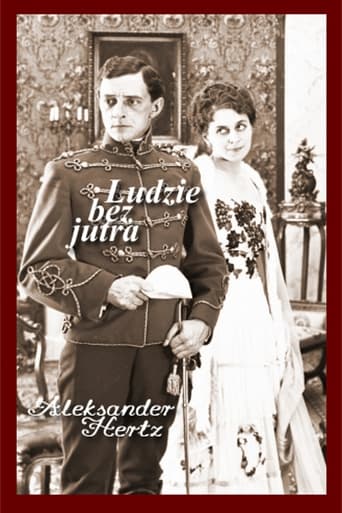
Titles linked here include The Polish Dancer (1917), Ludzie bez jutra (1921).
When was Aleksander Hertz born and when did he die?
Born 1879; died 1928.
What awards did Aleksander Hertz win?
During his lifetime, Hertz did not receive formal awards as the film industry was still in its early stages. However, he is posthumously recognized as a pioneer of Polish cinema and honored in Polish film history retrospectives and archives.
What was Aleksander Hertz's directing style?
Hertz's directing style featured dramatic storytelling with strong emotional narratives typical of silent era melodrama. He employed sophisticated camera techniques for the period, focused on strong female protagonists, and excelled at directing the expressive performances required for silent film.