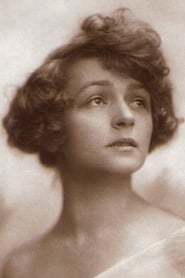
Lya Mara
Actor
Born: August 1, 1893 in Riga, Russian Empire (now Latvia) Died: March 20, 1960 Active: 1917-1931 Birth Name: Aleksandra Gąsienica
Films
1 film
About Lya Mara
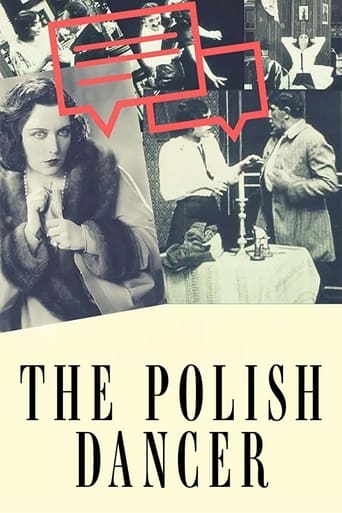
Lya Mara, born Aleksandra Gąsienica, was a prominent Polish actress who rose to stardom during the golden age of German silent cinema. She began her career in 1917 with her breakthrough role in 'The Polish Dancer,' which catapulted her to immediate fame in the German film industry. Throughout the late 1910s and 1920s, she became one of Germany's most popular film stars, known for her exotic beauty and emotional performances in melodramas and romantic films. Her career flourished under the guidance of her husband, director Frederic Zelnik, who directed her in numerous successful productions. Mara starred in over 50 films during her career, including 'The Girl from the Folies Bergère' (1927) and 'The Love of the Rajah' (1924). With the advent of sound films, her career declined as her Polish accent proved challenging for German-speaking audiences, leading to her retirement from acting in the early 1930s. She spent her later years in Switzerland, where she lived until her death in 1960, remembered as one of the luminaries of silent European cinema.
The Craft
On Screen
Lya Mara was known for her expressive, emotional acting style typical of silent film melodramas, with a particular talent for conveying deep passion and tragedy through subtle facial expressions and body language. Her performances were characterized by a natural grace and exotic appeal that captivated European audiences, often portraying strong-willed, passionate women in romantic and dramatic roles. She possessed the ability to transcend language barriers through her visual storytelling, making her popular across international markets.
Milestones
- Breakthrough role in 'The Polish Dancer' (1917)
- Marriage to director Frederic Zelnik (1920)
- Formation of her own production company with Zelnik
- International stardom in German silent cinema
- Transition from Polish to German film industry
- Retirement from films with the advent of sound
Best Known For
Iconic Roles
Must-See Films
Accolades
Won
- German Film Honorary Award (1950)
Special Recognition
- Star on the German Film Walk of Fame (posthumous)
- Featured in Polish Film History exhibitions
Working Relationships
Worked Often With
Studios
Why They Matter
Impact on Culture
Lya Mara played a significant role in bridging Polish and German cinema during the silent era, becoming one of the few Polish actresses to achieve major stardom in the German film industry. Her success paved the way for other Eastern European performers in German cinema and helped establish international co-productions between Poland and Germany. She represented the exotic 'other' in German popular culture while maintaining her Polish identity, contributing to cultural exchange between the two nations during a politically complex period.
Lasting Legacy
Lya Mara's legacy endures as a figure in European cinema, particularly in the context of Polish-German cultural relations. Her films are preserved in several European film archives and are occasionally screened at classic film festivals, where they continue to be appreciated for their artistic merit and historical significance. She is remembered as one of the great stars of the Weimar cinema era, and her life story serves as an example of the international nature of early European film production. Her work remains an important subject of study for scholars of silent cinema and Eastern European film history.
Who They Inspired
Mara influenced subsequent generations of Polish actresses seeking international careers, demonstrating that it was possible to maintain cultural identity while achieving stardom in foreign film industries. Her collaboration with director Frederic Zelnik set a precedent for creative partnerships between actors and directors, particularly in the context of independent film production. Her success in melodramatic roles helped establish certain archetypes of female characters in European cinema that would persist throughout the silent era and beyond.
Off Screen
Lya Mara married director Frederic Zelnik in 1920, forming both a personal and professional partnership that would define her career. The couple established their own film production company, Zelnik-Mara-Film GmbH, which produced many of her most successful films. They remained married until Zelnik's death in 1950. Mara was known for her charitable work during World War I, often performing in benefit concerts for war relief. After retiring from films, she lived a quiet life in Switzerland, away from the public eye.
Education
Attended drama school in Warsaw before beginning her film career
Family
- Frederic Zelnik (1920-1950)
Did You Know?
- Born Aleksandra Gąsienica, she adopted the stage name 'Lya Mara' early in her career
- She was discovered while performing in a Warsaw theater
- Her breakthrough film 'The Polish Dancer' was so successful it was remade in multiple languages
- She spoke fluent Polish, German, and Russian, which helped her international career
- During her peak, she was one of the highest-paid actresses in Germany
- She and her husband fled Germany in 1933 due to the rise of the Nazi regime
- Her films were banned in Germany during the Nazi era due to her Jewish husband
- She was a cousin of famous Polish actress Pola Negri
- She made a brief comeback attempt in the early 1950s but abandoned it
- Her personal film collection was donated to the Polish Film Archive after her death
In Their Own Words
'In silent films, the eyes must speak what the voice cannot say'
'The camera sees everything, even what you try to hide'
'Every role is a piece of your soul given to the audience'
Frequently Asked Questions
Who was Lya Mara?
Polish silent film actress who became one of the biggest stars in German cinema during the 1910s and 1920s, known for her emotional performances in melodramas and romantic films.
What films is Lya Mara best known for?
Titles linked here include The Polish Dancer (1917), The Love of the Rajah (1924).
When was Lya Mara born and when did she die?
Born August 1, 1893; died March 20, 1960.
What awards did Lya Mara win?
She received a German Film Honorary Award in 1950 for her contributions to cinema, and has been posthumously honored with a star on the German Film Walk of Fame.
What was Lya Mara's acting style?
Mara was known for her expressive, emotional acting style typical of silent film melodramas, with exceptional ability to convey deep passion and emotion through subtle facial expressions and body language.