
Max Adalbert
Actor
Born: February 19, 1874 in Berlin, German Empire Died: May 7, 1933 Active: 1890s-1933 Birth Name: Max Adalbert Begas
Films
2 films
About Max Adalbert
German stage and film actor: the late 19th and early 20th centuries, making significant contributions to both theater and cinema. Born Max Adalbert Begas, he began his career in theater and became one of Germany's most respected character actors, known for his versatility and commanding stage presence. His transition to film came during the silent era, where he brought his theatrical expertise to the emerging medium, appearing in notable German productions. His most famous film role was in Fritz Lang's masterpiece 'Destiny' (1921), where he played the Death character, a performance that showcased his ability to convey complex emotions through subtle gestures and expressions. Adalbert's film career was relatively brief but impactful, with his appearance in Ernst Lubitsch's 'Die Flamme' (1923) being another significant contribution to German cinema. Beyond his film work, he remained deeply committed to theater, where he was celebrated for his interpretations of both classical and contemporary roles. His career was cut short by his untimely death in 1933, but his legacy as a bridge between German theatrical tradition and cinematic innovation endures.
The Craft
On Screen
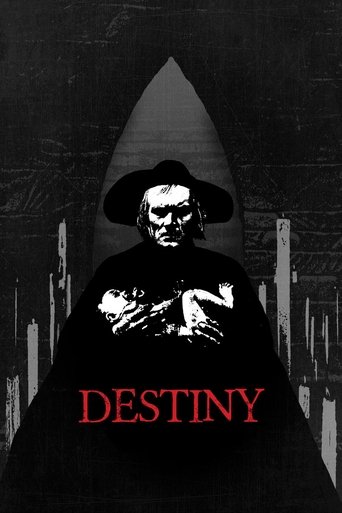
Max Adalbert was known for his powerful yet nuanced acting style, combining the theatrical grandeur of 19th-century stage performance with the subtlety required for cinema. His technique emphasized expressive facial features and controlled body language, making him particularly effective in silent films where visual storytelling was paramount. In his theater work, he was celebrated for his ability to portray both tragic and comic characters with equal authenticity, often bringing psychological depth to his roles. His performance as Death in 'Destiny' exemplified his mastery of symbolic acting, using minimal gestures to convey profound meaning.
Milestones
- Breakthrough stage career at Deutsches Theater Berlin
- Iconic performance as Death in Fritz Lang's 'Destiny' (1921)
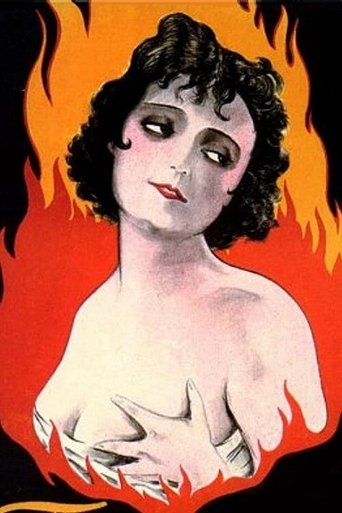
- Role in Ernst Lubitsch's 'Die Flamme' (1923)
- Extensive work in German Expressionist theater
- Transition from acclaimed theater actor to respected film performer
Best Known For
Iconic Roles
Must-See Films
Accolades
Special Recognition
- Honored as one of Germany's leading stage actors of his generation
- Recognized for contributions to German Expressionist theater and cinema
Working Relationships
Worked Often With
Studios
Why They Matter
Impact on Culture
Max Adalbert played a significant role in bridging the gap between German theatrical tradition and the emerging art of cinema. His work in films like 'Destiny' helped establish the visual language of German Expressionist cinema, influencing how psychological states could be conveyed through performance. As a respected stage actor who successfully transitioned to film, he helped legitimize cinema as a serious art form in Germany during its formative years. His portrayal of Death became an iconic representation of mortality in silent cinema, referenced and studied by film scholars and performers alike.
Lasting Legacy
Max Adalbert's legacy lies in his contribution to both German theater and early cinema, particularly during the Expressionist period. His performance in 'Destiny' remains. He is remembered as part of the generation of German artists who helped shape modern cinema and as an example of how classical training could enhance film performance. His work continues to be studied by film historians and acting students interested in the transition from stage to screen.
Who They Inspired
Adalbert influenced subsequent generations of German actors by demonstrating how theatrical training could be effectively adapted for cinema. His work in Expressionist films contributed to the development of a distinctly German cinematic acting style that emphasized psychological depth and symbolic meaning. Younger actors studying the transition from silent to sound films looked to performers like Adalbert as examples of how to maintain artistic integrity across different media. His collaboration with directors like Fritz Lang helped establish new standards for actor-director relationships in German cinema.
Off Screen
Max Adalbert came from an artistic family, with his father being the painter Carl Begas the Younger. He married actress Paula Eberty, and their marriage was considered one of the notable artistic unions in German cultural circles. The couple had children who also pursued artistic careers. Adalbert was known for his dedication to his craft and maintained a reputation as a serious, committed artist throughout his career. He was deeply involved in the German cultural scene and was respected for his intellectual approach to acting.
Education
Trained in classical acting techniques, likely through theater apprenticeships and formal training common in German theater of the era
Family
- Paula Eberty
Did You Know?
- Born into the prominent Begas family of artists and painters
- His real surname was Begas, but he used Adalbert as his stage name
- His performance as Death in 'Destiny' required hours in makeup and costume
- He was primarily known as a theater actor, making his film appearances particularly notable
- Worked with some of the most important German directors of the silent era
- His active years covered the transition from 19th-century theatrical traditions to modern cinema
- Was part of Max Reinhardt's influential theater ensemble
- His film career was brief but occurred during a crucial period in German cinema history
- Died before the full transition to sound cinema in Germany
- His portrayal of Death influenced how mortality was depicted in subsequent films
In Their Own Words
The stage is my home, but the camera is my window to eternity
In silence, the actor's soul speaks loudest
Frequently Asked Questions
Who was Max Adalbert?
Renowned German stage and film with credits in this catalog. He is best known for his powerful performances in German Expressionist theater and his memorable role as Death in Fritz Lang's silent film 'Destiny' (1921). Born Max Adalbert Begas, he came from a artistic family and became one of Germany's most respected character actors.
What films is Max Adalbert best known for?
Titles linked here include Destiny (1921), Die Flamme (1923).
When was Max Adalbert born and when did he die?
Born February 19, 1874; died May 7, 1933.
What awards did Max Adalbert win?
While specific formal awards from his era are not extensively documented, Max Adalbert was widely recognized as one of Germany's leading stage actors of his generation. His contributions to both theater and cinema earned him significant respect within German artistic circles, though the formal award systems we know today were not as established during his active period.
What was Max Adalbert's acting style?
Max Adalbert's acting style combined the theatrical grandeur of 19th-century stage performance with the subtlety required for cinema. He was known for his expressive facial features and controlled body language, making him particularly effective in silent films. His technique emphasized psychological depth and symbolic meaning, which aligned perfectly with German Expressionist aesthetics.