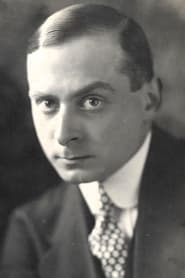
Ferdinand von Alten
Actor
Born: April 18, 1885 in Stettin, German Empire (now Szczecin, Poland) Died: March 16, 1933 Active: 1911-1933
Films
3 films

About Ferdinand von Alten
German actor of aristocratic lineage who became a prominent figure in European silent cinema during the early 1920s. Born into nobility, he brought an authentic aristocratic bearing to his many roles as noblemen, villains, and historical figures. His career flourished primarily in German cinema, where he became a frequent collaborator with director Ernst Lubitsch, appearing in several of the director's most celebrated historical epics. Von Alten's performances in films like 'Anna Boleyn' (1920) and 'Madame DuBarry' (1919) showcased his ability to embody complex historical characters with gravitas and sophistication. As the German film industry evolved and political tensions rose in the late 1920s, he emigrated to the United States, joining many other European artists seeking opportunities in Hollywood. Though his American career was relatively brief, he continued acting until his untimely death in 1933 at age 47, leaving behind a legacy as one of German cinema's most recognizable character actors of the silent era.
The Craft
On Screen
Von Alten employed a theatrical, exaggerated acting style typical of the silent era, characterized by dramatic gestures and expressive facial features that could convey emotion without dialogue. His aristocratic background and natural bearing made him particularly effective in roles requiring gravitas and sophistication. He specialized in portraying historical figures and villains, using his tall, commanding presence and distinctive features to create memorable characters that resonated with audiences of the time.
Milestones
- Breakthrough role in Ernst Lubitsch's 'Madame DuBarry' (1919)
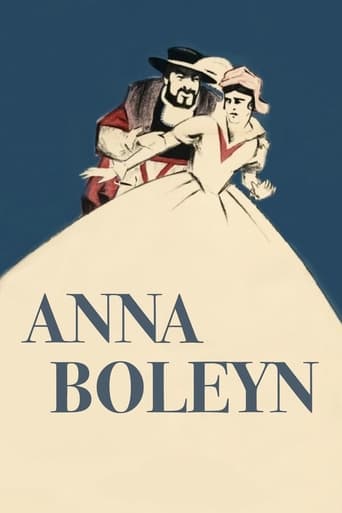
- Starred as King Henry VIII in 'Anna Boleyn' (1920)
- Frequent collaboration with director Ernst Lubitsch
- Emigrated to Hollywood in late 1920s
- Appeared in over 60 films during his career
Best Known For
Iconic Roles
Must-See Films
Accolades
Special Recognition
- Recognized as one of Germany's leading character actors of the silent era
Working Relationships
Worked Often With
Studios
Why They Matter
Impact on Culture
Ferdinand von Alten contributed significantly to the golden age of German silent cinema, particularly in the historical epic genre that flourished in the early 1920s. His collaborations with Ernst Lubitsch helped establish German cinema's international reputation for artistic sophistication and technical excellence. As an aristocratic actor, he represented the cultural refinement and artistic ambition that characterized German film production during the Weimar Republic period. His transition to Hollywood exemplified the international exchange of talent that characterized early cinema, and his work helped bridge German and American film traditions during a crucial period of cinematic development.
Lasting Legacy
Von Alten's legacy endures through his contributions to some of the most celebrated German silent films, particularly those directed by Ernst Lubitsch that are now considered classics of world cinema. His performances in historical dramas helped establish the template for portraying royalty and aristocracy on screen, influencing subsequent generations of character actors. Though his career was relatively short and his American work less celebrated, his German films continue to be studied by film historians and screened at classic film festivals, preserving his place in cinema history as a representative of the artistic achievements of silent era German cinema.
Who They Inspired
Von Alten's dignified portrayal of historical figures and villains influenced the development of character acting in silent cinema, particularly in the German expressionist tradition. His work with Lubitsch contributed to the sophisticated visual style and narrative techniques that would later influence Hollywood filmmaking. As part of the wave of European talent that migrated to America, he helped bring Continental acting styles and artistic sensibilities to American cinema, contributing to the internationalization of film art during the early 20th century.
Off Screen
Ferdinand von Alten came from an aristocratic German family, which contributed to his authentic portrayal of nobility on screen. He married fellow actress Olga Belajeff in 1922, and the couple often worked together in German films before emigrating to the United States. The move to America was part of a larger wave of European talent seeking opportunities in Hollywood during the transition from silent to sound films. His life was cut short at age 47 when he died in Los Angeles, just as the film industry was undergoing massive technological and cultural changes.
Education
Educated in Germany; specific institutions not documented but likely received formal education befitting his aristocratic background
Family
- Olga Belajeff (1922-1933)
Did You Know?
- Came from genuine German nobility, which lent authenticity to his aristocratic roles
- Appeared in over 60 films during his 22-year career
- Was a favorite of director Ernst Lubitsch, casting him in multiple films
- Married actress Olga Belajeff, with whom he frequently co-starred
- Emigrated to the United States during the transition from silent to sound films
- Died relatively young at age 47 in Los Angeles
- His birthplace Stettin is now part of Poland and called Szczecin
- Specialized in playing historical figures and villains due to his imposing presence
- Part of the exodus of German film talent that occurred in the late 1920s
- His final years coincided with the major transition from silent to sound cinema
In Their Own Words
While specific quotes are not widely documented, his performances in Lubitsch's films were noted for their dramatic intensity and aristocratic dignity
Frequently Asked Questions
Who was Ferdinand von Alten?
German with credits in this catalog. He frequently collaborated with director Ernst Lubitsch and specialized in portraying noblemen and historical figures.
What films is Ferdinand von Alten best known for?
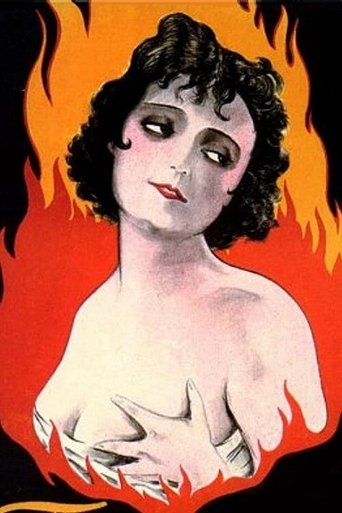
Titles linked here include Anna Boleyn (1920), Die Flamme (1923).
When was Ferdinand von Alten born and when did he die?
Born April 18, 1885; died March 16, 1933.
What awards did Ferdinand von Alten win?
During the silent era when he was active, formal acting awards were not yet established in the way they are today. He was, however, recognized as one of Germany's leading character actors and frequently cast by prominent directors like Ernst Lubitsch.
What was Ferdinand von Alten's acting style?
Von Alten employed a theatrical, expressive acting style typical of silent films, using dramatic gestures and facial expressions to convey emotion. His aristocratic bearing and commanding presence made him particularly effective in roles as historical figures and villains.
Did Ferdinand von Alten work in Hollywood?
Yes, he emigrated to the United States in the late 1920s as part of the wave of European talent seeking opportunities in Hollywood. However, his American career was relatively brief compared to his extensive work in German cinema.
How did Ferdinand von Alten's aristocratic background influence his career?
His noble heritage provided him with an authentic aristocratic bearing that made him particularly convincing in roles as royalty and nobility. This background gave him a natural advantage in the historical epics that were popular in German cinema during his era.