




The Vice of Humanity
"The Vice of Humanity (1927)"
Keys: Space play/pause · ←/→ 10s · F fullscreen · M mute · </> speed
About this film
Tamara becomes addicted to cocaine but hides from her daughter by moving in with the dealer Mangol. The father tells his daughter that her mother has died, but years later the daughter rediscovers her mother appearing on stage. Mangol pursues the daughter, but Tamara intervenes before dying amongst family members.
Cast & crew
More films like this
More Drama films
View all →







More from Rudolf Meinert
View all →
More about this film
About the production
Release date1927-09-29
ProductionRudolf Meinert-Film GmbH
Filmed inBerlin, Germany
The Vice of Humanity was produced during the height of German Expressionist cinema, though it leaned more toward social realism than the stylized expressionism of earlier German films. The film was considered controversial for its explicit depiction of drug addiction, a taboo subject in 1920s cinema. Director Rudolf Meinert, who also served as producer, was known for tackling socially relevant themes in his films.
Themes
Drug addiction and its devastating effectsMaternal love and sacrificeSocial hypocrisy and moral double standardsThe destruction of family bondsRedemption through self-sacrifice
Themes & topics
cocaine addictionabandoned childdrug dealermaternal sacrificefamily separationstage performanceredemptiondeathbed scenesocial downfallurban decay
Historical background
Made in 1927, The Vice of Humanity reflects production norms of late silent cinema and the transition toward sound—shorter runtimes, regional audiences, and limited preservation infrastructure.
Why this film matters
Historians reference The Vice of Humanity (1927) when discussing 1927 film directed by Rudolf Meinert.
Making of
The Vice of Humanity was filmed in Berlin during a turbulent period in German history, as the Weimar Republic struggled with economic instability and social upheaval. Director Rudolf Meinert, who had established himself as a prominent figure in German cinema through his work as both director and producer, chose to tackle the sensitive subject of drug addiction at a time when such topics were rarely addressed in mainstream cinema. The production faced challenges from censorship boards due to its controversial subject matter, requiring careful negotiation to secure approval for theatrical release. Asta Nielsen, already a figure in European cinema, brought tremendous depth to her portrayal of Tamara, reportedly drawing on her observations of real-life addiction cases to inform her performance. The film's realistic approach to depicting drug addiction contrasted with the more stylized expressionist techniques popular in German cinema at the time, reflecting Meinert's commitment to social realism. The collaboration between Nielsen, Abel, and Krauss brought together three of Germany's most respected actors, each at different stages of their careers but united in their dedication to serious dramatic material.
What critics said
Modern write-ups on The Vice of Humanity (1927) tend to focus on preservation status, stylistic choices, and placement within director or studio filmographies.
Did you know?
- The film's original German title was 'Das lasterhafte Leben' (The Vicious Life), though it was released internationally as 'The Vice of Humanity'
- Asta Nielsen, one of the first international movie stars, was in her mid-40s when she played Tamara, demonstrating her remarkable range as an actress
- Director Rudolf Meinert was also a prolific screenwriter and producer, responsible for discovering and nurturing many talents in German cinema
- The film was part of a small but significant wave of 'drug films' in 1920s Germany that addressed the growing concerns about substance abuse in post-WWI society
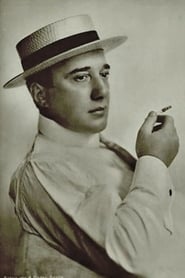
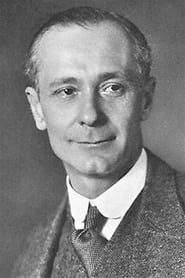
- Alfred Abel, who plays the father, would later gain international fame for his role as Joh Fredersen in Fritz Lang's 'Metropolis' (1927)
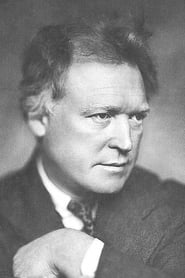
- Werner Krauss, who portrays the villainous drug dealer Mangol, was one of Germany's most versatile character actors, though he became controversial for his later involvement in Nazi propaganda films
- The film was censored in several countries for its depiction of drug use and addiction
- Only partial prints of the film are known to exist today, making it a partially lost film
- The film's release coincided with the peak of German silent cinema, just before the transition to sound began
- The addiction storyline was considered groundbreaking for its time, showing the devastating effects of drugs on family relationships
Visual style
The cinematography of The Vice of Humanity, while not as stylized as some of its German Expressionist contemporaries, employed sophisticated techniques to convey the psychological states of its characters. The camera work utilized shadow and light to create visual metaphors for addiction's grip on the protagonist, with increasingly distorted imagery during Tamara's drug sequences. The film's visual style evolved from relatively conventional compositions in the early family scenes to more expressionistic techniques as Tamara descended into addiction, reflecting her deteriorating mental state. The cinematographer employed unusual camera angles and framing to disorient viewers during drug-induced sequences, creating a subjective experience of addiction. The contrast between the bright, warm lighting of the family home and the dark, claustrophobic spaces of the drug dealer's establishment provided a powerful visual representation of Tamara's journey from domesticity to degradation. The film's visual approach demonstrated how German cinematographers had mastered the language of cinema without dialogue, using every visual tool at their disposal to tell complex emotional stories.
Innovations
While The Vice of Humanity was not particularly innovative in its technical aspects compared to some of its more famous German contemporaries, it demonstrated solid craftsmanship and effective use of available film technology. The film employed sophisticated editing techniques to create emotional impact, particularly in the sequences depicting Tamara's drug-induced states, where rapid cutting and superimposition were used to convey psychological disorientation. The production utilized available lighting technology to create dramatic contrasts between different narrative spaces, particularly in the visual distinction between the family home and the drug den. The makeup effects used to show Tamara's physical deterioration due to addiction were considered quite advanced for the period, contributing significantly to the film's realistic portrayal of substance abuse. The sound design, while limited to musical accompaniment as was standard for silent films, would have employed careful synchronization between visual action and musical cues to enhance emotional impact. The film's preservation of visual clarity despite the challenging lighting conditions in some scenes demonstrated the growing sophistication of German film stock and processing techniques in the late 1920s.
Music
As a silent film, The Vice of Humanity would have been accompanied by live musical performance during its original theatrical run. The typical German cinema of this period employed orchestral ensembles or at least pianists to provide musical accompaniment, with scores often compiled from existing classical pieces or specially composed music. While the original score for this film has not survived, contemporary accounts suggest that the musical accompaniment emphasized the dramatic elements of the story, with somber, melancholic themes during Tamara's addiction sequences and more tender melodies for the family scenes. German theaters of the era often employed the photoplay technique, where cue sheets provided suggestions for appropriate music to accompany specific scenes and emotional moments. The music would have played a crucial role in conveying the emotional states of the characters and heightening the dramatic impact of key scenes, particularly the climactic confrontation between Tamara and Mangol. The film's German origins suggest that the musical accompaniment likely drew heavily on European classical traditions, with possible influences from Wagnerian leitmotif techniques to represent different characters and themes.
Famous quotes
I would rather die in the light of my daughter's love than live in the shadows of my shame." - Tamara
Every dose I take is another nail in the coffin of my soul." - Tamara
You cannot escape your past, but you can choose how you face it." - Tamara
The greatest vice is not the poison we consume, but the lies we tell ourselves." - Mangol
A mother's love is the one addiction that can save us all." - The Father
Memorable scenes
- The heartrending sequence where Tamara, under the influence of cocaine, sees hallucinations of her daughter calling for her while she's unable to respond
- The climactic confrontation scene where Tamara, in a moment of clarity, stands between her daughter and the menacing drug dealer Mangol
- The emotional deathbed scene where Tamara is finally reunited with her family, finding peace in her final moments
- The shocking revelation scene where the grown daughter discovers her mother performing on stage, recognizing her despite her changed appearance
- The opening family scene that establishes the loving relationship between Tamara and her daughter, creating the emotional foundation for the tragedy to follow
What audiences thought
Contemporary audience reception to The Vice of Humanity reflected the controversial nature of its subject matter, with many viewers finding the film's depiction of drug addiction both powerful and disturbing. The film attracted significant attention in major German cities, particularly in Berlin where social problems like drug addiction were more visible and understood. Some audience members praised the film for its courage in addressing a real social problem, while others found the content too shocking or inappropriate for public entertainment. The presence of major stars like Asta Nielsen, Alfred Abel, and Werner Krauss undoubtedly drew audiences to theaters, though the serious tone and heavy subject matter limited the film's popular appeal compared to more lighthearted entertainment of the era. In working-class neighborhoods where drug addiction was a more visible problem, the film reportedly resonated strongly with viewers who recognized its authenticity. Despite the mixed reactions, the film managed to achieve moderate commercial success in Germany, though its international distribution was limited by censorship concerns in several countries.
Film connections
Influenced by
- German social realist films of the 1920s
- The growing body of international cinema addressing social problems
- Earlier German films about addiction and moral corruption
- Theatrical melodrama traditions
- Contemporary newspaper reports about drug addiction in German society
This film influenced
- Later German films addressing social problems in the early sound era
- International films dealing with drug addiction in the 1930s and beyond
- Weimar cinema's continued exploration of controversial social subjects
Film restoration
The Vice of Humanity is considered a partially lost film, with only fragments and incomplete prints known to exist in various film archives. The Bundesarchiv in Germany holds some portions of the film, while other fragments are reportedly stored in international archives including the Museum of Modern Art's film collection. The incomplete nature of the surviving materials has made complete restoration impossible, though efforts have been made to preserve what remains of the film. The loss of significant portions of the film represents a considerable gap in the documentation of both Asta Nielsen's career and German cinema's exploration of social issues in the 1920s. Film preservationists continue to search for missing reels or complete versions in private collections and lesser-known archives, though the passage of time and the deterioration of nitrate film stock make complete recovery increasingly unlikely.
Where to watch
- Due to its partially lost status and age, The Vice of Humanity is not commercially available on modern streaming platforms or home video formats. Film enthusiasts may occasionally have the opportunity to view surviving fragments at special screenings organized by film archives or cinematheques, particularly those specializing in German cinema. The Bundesarchiv in Berlin occasionally includes fragments of the film in their public programming, as does the Museum of Modern Art in New York. Academic researchers with appropriate credentials may be able to access the surviving materials through film archive research programs. Some fragments may be available for viewing through specialized film history websites or university film studies programs, though these are typically not accessible to the general public.