
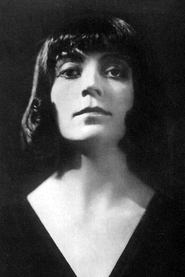
Asta Nielsen
Actor
Born: September 11, 1881 in Copenhagen, Denmark Died: May 24, 1972 Active: 1910-1937 Birth Name: Asta Sofie Amalie Nielsen
Films
16 films

The Abyss
1910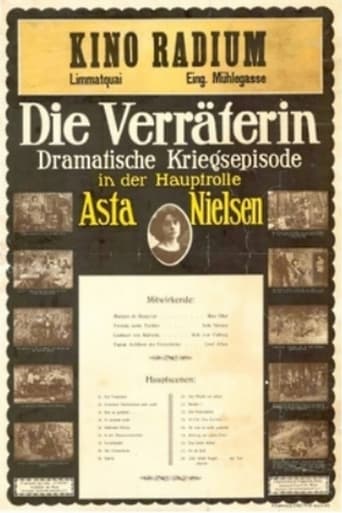
The Traitress
1911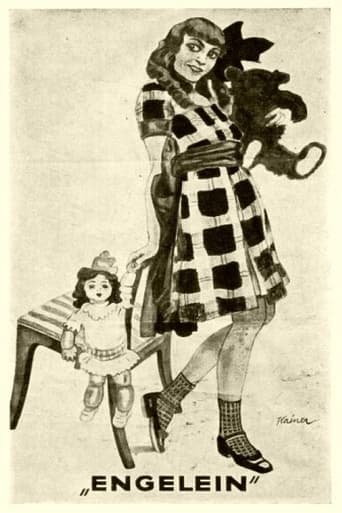
Little Angel
1914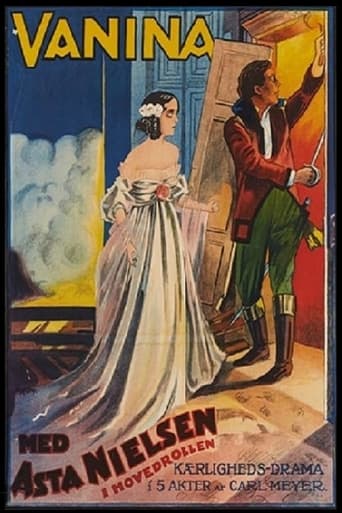
Vanina
1922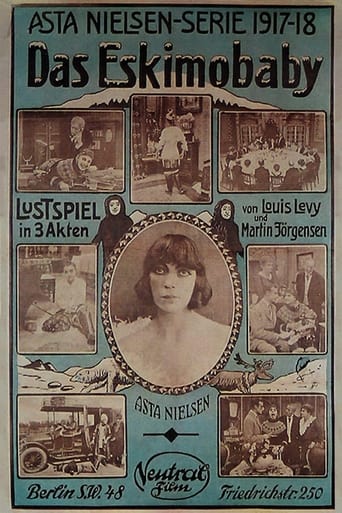
The Eskimo Baby
1918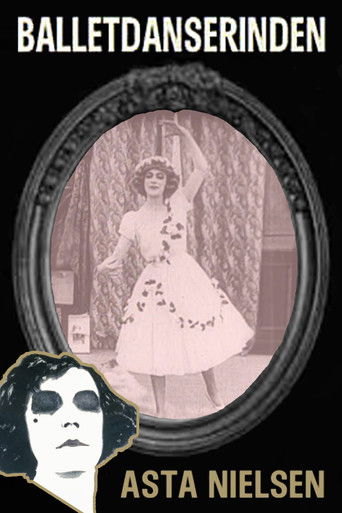
The Ballet Dancer
1911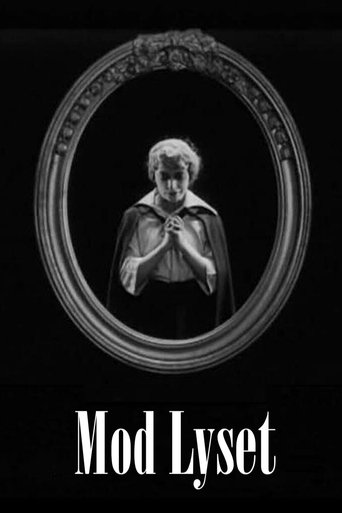
Towards the Light
1919
The Vice of Humanity
1927
The Black Dream
1911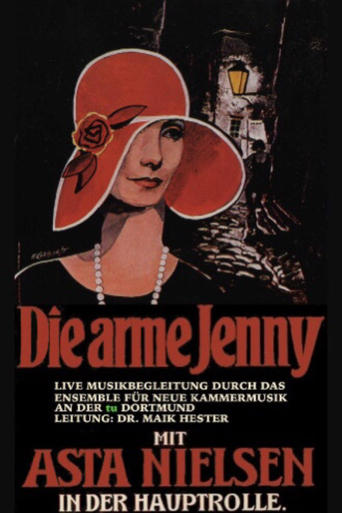
Poor Jenny
1912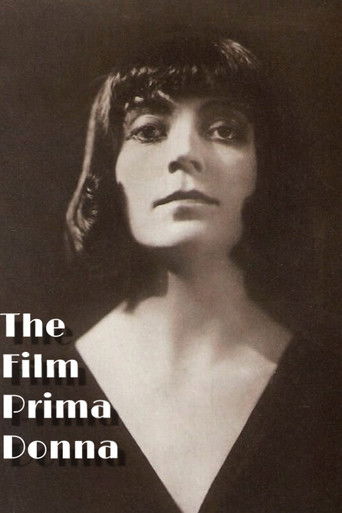
The Film Prima Donna
1913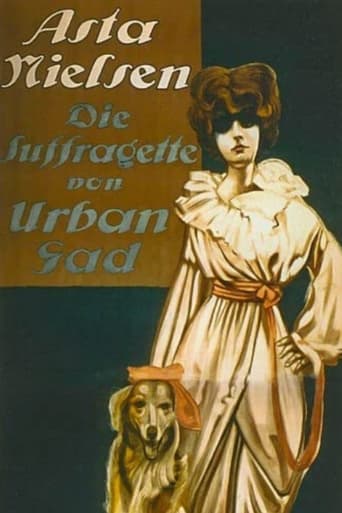
The Suffragette
1913
The Merry-Go-Round
1920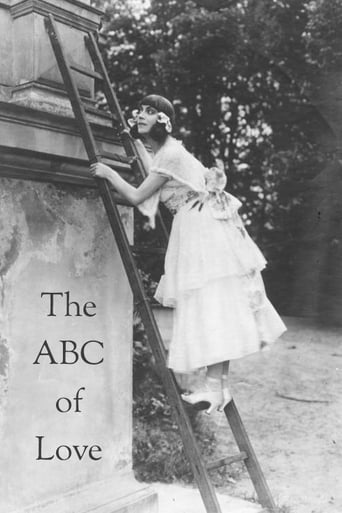
The ABC of Love
1916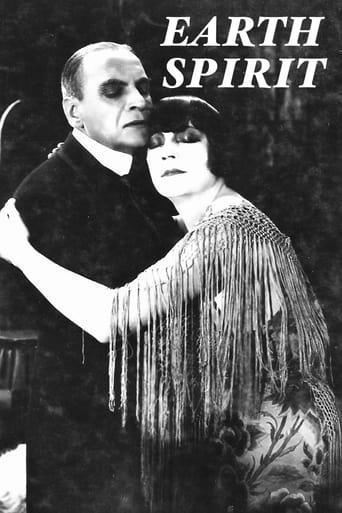
Earth Spirit
1923About Asta Nielsen
Asta Sofie Amalie Nielsen — Danish silent film actress who became one of the first international movie stars and revolutionized screen acting with her naturalistic style. She began her career on the Danish stage before transitioning to film in 1910 with 'The Abyss' (Afgrunden), which became an international sensation and established her as a major star. Nielsen moved to Germany in 1911, where she became popular and highest-paid actresses in European cinema, starring in over 70 films during her career. In 1921, she formed her own production company, Art-Film, giving her unprecedented creative control over her projects and making her one of the first female film producers. Her films often featured strong, independent female characters who challenged contemporary social norms, making her both a commercial success and a controversial figure. Despite her immense popularity across Europe, Nielsen never achieved the same level of fame in America due to her films being considered too risqué for American audiences. She retired from film in 1937 but continued working in theater and television until her death in 1972, leaving behind a legacy as one of the greatest actresses of the silent era.
The Craft
On Screen
Nielsen revolutionized film acting with her naturalistic, understated approach that contrasted sharply with the theatrical gestures common in early cinema. She used subtle facial expressions, restrained movements, and psychological depth to create complex, realistic characters that audiences found compelling and authentic. Her performances often featured strong, independent women who challenged social conventions, making her both popular and controversial. Nielsen's ability to convey deep emotion through minimal movement made her particularly suited to the close-up shots that were becoming more common in cinema, and she mastered the art of communicating complex emotions through her eyes and subtle gestures. Her style rejected the exaggerated pantomime of early film acting in favor of a more realistic, psychologically nuanced approach that became the standard for cinema.
Milestones
- Starred in breakthrough film 'The Abyss' (1910) which became an international sensation
- Formed her own production company, Art-Film, in 1921
- Became one of the highest-paid actresses of the silent era, earning approximately $75,000 per film
- Starred in over 70 films during her career
- Pioneered naturalistic acting style that revolutionized film performance
- Played a female version of Hamlet in the 1921 film adaptation
- Became one of the first true international movie stars with global recognition
Best Known For
Iconic Roles
Must-See Films
Accolades
Won
- Honorary German Film Award (1960s)
- Bodil Award Honorary Mention (1951)
- Filmband in Gold for outstanding contribution to German cinema
Special Recognition
- Considered one of the greatest actresses of the silent era
- Multiple film retrospectives dedicated to her work at international festivals
- Danish Film Institute established the Asta Nielsen Award in her honor
- Featured on Danish postage stamp in 1981
- Inducted into the European Film Academy's Hall of Fame
- Her films preserved in the Danish Film Archive and German Federal Film Archive
Working Relationships
Worked Often With
Studios
Why They Matter
Impact on Culture
Asta Nielsen fundamentally changed how actors performed on screen, a naturalistic style that became the standard for film acting and influenced generations of performers. She was one of the first true international film stars, with films distributed globally and fans across Europe, demonstrating the potential for cinema to create global celebrities. Her portrayal of strong, sexually autonomous women challenged early 20th century gender norms and censorship standards, pushing the boundaries of what was considered acceptable in film. Nielsen's success proved that films could feature complex, psychologically realistic characters rather than theatrical caricatures, helping establish cinema as a serious art form capable of nuanced character studies. Her distinctive bob haircut and androgynous style sparked fashion trends across Europe, making her a cultural icon beyond her film work.
Lasting Legacy
Nielsen is remembered as one of the greatest actresses of the silent era and a pioneer of naturalistic film acting whose techniques continue to influence performers today. Her films are regularly restored and studied by film historians and institutions worldwide, with retrospectives appearing at major international film festivals including Cannes and Berlin. The Danish Film Institute maintains an extensive archive of her work, and the Asta Nielsen Award continues to honor outstanding contributions to cinema. Her career demonstrated the potential for female stars to achieve both artistic recognition and commercial success in early cinema, paving the way for future generations of women in film. Nielsen's work remains a subject of academic study for its revolutionary approach to performance and its role in establishing the language of cinema acting.
Who They Inspired
Nielsen's naturalistic acting style directly influenced the evolution of film performance from theatrical to realistic approaches, particularly in European cinema. Directors like G.W. Pabst and Carl Theodor Dreyer were influenced by her approach to character development and psychological depth. Her success as an independent producer inspired other performers to seek creative control over their careers, particularly women in the male-dominated film industry. Contemporary actresses studying silent film performance often look to Nielsen's work as a model of nuanced, psychologically complex characterization, and her techniques can be seen in the work of later stars like Marlene Dietrich and Greta Garbo. Her portrayal of complex female characters helped establish the possibility of women-centered narratives in cinema.
Off Screen
Nielsen was known for her independent spirit and professional control over her career, challenging early 20th century gender norms both on and off screen. She was married twice, first to Danish film director Urban Gad, with whom she collaborated on many of her early films, and later to Gregorius Rokitansky, a Hungarian shipping magnate. Her personal life was often as controversial as her on-screen roles, with her relationships and lifestyle choices challenging conservative social norms. She had one daughter, Jesta, born in 1922, and maintained a close relationship with her throughout her life. Despite her international fame, Nielsen remained deeply connected to her Danish roots and returned to Denmark after World War II, where she lived until her death.
Education
Trained at the Royal Danish Theatre and studied under various acting coaches in Copenhagen before beginning her stage career
Family
- Peter Urban Gad (1912-1919)
- Gregorius Rokitansky (1922-1934)
Did You Know?
- Was one of the highest-paid actresses of her time, earning approximately $75,000 per film in the 1910s
- Her distinctive bob haircut and androgynous style started a fashion trend across Europe
- 'The Abyss' featured one of cinema's first erotic dance sequences, considered scandalous at the time
- She played Hamlet as a woman in a 1921 film, interpreting the character as a woman disguised as a man
- Her films were banned in several countries for their 'immoral' content and challenging social norms
- She was nicknamed 'The Silent Muse' by European critics for her expressive screen presence
- Nielsen learned to speak German fluently when she moved to Germany, making her truly international
- She turned down lucrative Hollywood offers to maintain creative control over her work
- Her production company was one of the first female-owned film production companies in history
- After retiring from film, she worked in Danish radio and television, adapting to new media
- Her eyes were insured for a large sum of money, recognizing their importance to her screen performances
- She was one of the first film stars to have merchandise created in her likeness
In Their Own Words
I have never understood why people should be afraid of reality. Life is beautiful, and it is only the imagination that makes it ugly.
The camera is a merciless instrument. It shows everything. It is not like the stage where you can hide behind makeup and costumes.
I wanted to show that a woman could be strong without being masculine, passionate without being vulgar.
In film, the smallest gesture can mean everything. On stage, you must shout to be heard; on screen, you must whisper to be understood.
Art must be dangerous if it is to be art. If it doesn't challenge, it doesn't change.
Frequently Asked Questions
Who was Asta Nielsen?
Danish silent film actress who became one of the first international movie stars and revolutionized film acting with her naturalistic style. She starred in over 70 films between 1910 and 1937, primarily working in Germany where she achieved enormous popularity and critical acclaim for her psychologically complex performances.
What films is Asta Nielsen best known for?
Titles linked here include The Abyss (1910), The Traitress (1911).
When was Asta Nielsen born and when did she die?
Born September 11, 1881; died May 24, 1972.
What awards did Asta Nielsen win?
While formal awards were uncommon during the silent era, Nielsen received numerous honors including the Honorary German Film Award, the Bodil Award Honorary Mention, and the Filmband in Gold for her outstanding contribution to German cinema. The Danish Film Institute later established the Asta Nielsen Award in her honor to recognize significant contributions to cinema.
What was Asta Nielsen's acting style?
Nielsen pioneered a naturalistic acting style that rejected the theatrical gestures common in early cinema. She used subtle facial expressions, restrained movements, and psychological depth to create complex, realistic characters, setting a new standard for film acting that influenced generations of performers and helped establish cinema as a serious dramatic art form.
How did Asta Nielsen influence cinema?
Nielsen revolutionized film acting by introducing naturalistic performance techniques that became the industry standard. She was one of the first female film producers, forming her own company in 1921, and her portrayal of strong, independent women challenged social norms and expanded possibilities for female characters in cinema. Her international success helped establish the concept of the global movie star.
Why were Asta Nielsen's films controversial?
Nielsen's films were often banned or censored for their sexual content and portrayal of women who challenged traditional gender roles. 'The Abyss' featured one of cinema's first erotic dance sequences, and many of her characters were sexually autonomous and independent, which was considered scandalous in early 20th century society. Her personal life also attracted controversy for defying social conventions.
What was unique about Asta Nielsen's Hamlet?
In her 1921 film 'Hamlet,' Nielsen played the title character as a woman disguised as a man, offering a unique interpretation that explored themes of gender identity and power. This bold artistic choice was ahead of its time and remains.