

The Ballet Dancer
"Ballet rise and a scandalous letter"
Keys: Space play/pause · ←/→ 10s · F fullscreen · M mute · </> speed
About this film
The ballet pupil Camilla Favier makes for a quick success and falls for the author Jean Mayol. She discovers a love letter to him from a rich married woman and is devastated. In revenge she reveals the secret love story for the cuckolded husband and his guests at a big party. Lat.
Cast & crew
More films like this
More Drama films
View all →







More from August Blom
View all →

More about this film
About the production
Release dateNovember 6, 1911
ProductionNordisk Film
Filmed inCopenhagen, Denmark
This film was produced during the golden age of Danish cinema when Nordisk Film was one of Europe's leading production companies. The film showcases the sophisticated narrative techniques that Danish cinema was developing during this period, including complex character motivations and psychological depth. The production utilized the then-innovative natural lighting techniques that August Blom was experimenting with in his early works.
Themes
Themes & topics
Historical background
Nordisk Film positioned The Ballet Dancer for 1911 audiences accustomed to weekly program changes in urban theaters.
Why this film matters
Revival audiences read The Ballet Dancer as evidence of 1911 taste for stories about the ballet pupil camilla favier makes for a quick success and falls for the author jean ma.
Making of
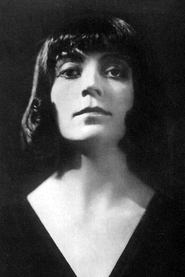
The production of The Ballet Dancer took place during a pivotal moment in Danish cinema history when the country's film industry was competing with France and Italy for international market dominance. Director August Blom was rapidly becoming Nordisk Film's most reliable director, known for his ability to handle complex emotional narratives. Asta Nielsen, though already a rising star, was still establishing her screen persona, and this film helped cement her image as a passionate, independent woman capable of both vulnerability and fierce revenge. The ballet sequences presented significant technical challenges for the 1911 production team, requiring innovative camera placement and lighting to capture the dance movements effectively. The film's climactic party scene was among the leading elaborate set pieces produced by Nordisk Film that year, featuring numerous extras and complex blocking to create the sense of a high society gathering.
What critics said
Silent-era reviewers devoted little space to The Ballet Dancer, typical for a release of its scale in 1911.
Did you know?
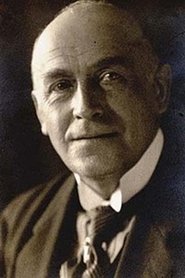
- This film was one of the earliest collaborations between director August Blom and star Asta Nielsen, who would become one of the first international film stars
- The Ballet Dancer was part of a wave of sophisticated psychological dramas that made Danish cinema internationally respected before World War I
- Asta Nielsen was reportedly paid an unprecedented salary for this film, reflecting her growing stardom in Europe
- The film's original Danish title was 'Balletdanserinden'
- This was one of the first films to explore themes of female revenge and agency in cinema
- The pistol scene was considered quite shocking for audiences in 1911 due to its realistic portrayal of violence
- The film was distributed internationally, helping establish Asta Nielsen as a pan-European star
- Nordisk Film used this production to showcase their technical capabilities to potential international distributors
- The ballet sequences required Nielsen to undergo extensive dance training, despite being primarily known as a dramatic actress
- The film's success led to several similar productions featuring Nielsen in roles of strong, independent women
Visual style
The cinematography of The Ballet Dancer, while typical of 1911 in its technical limitations, shows the emerging sophistication of Danish film photography. The film employs relatively static camera positions by modern standards, but uses careful composition and lighting to create emotional atmosphere. The ballet sequences feature innovative use of space and movement, with the cinematographer attempting to capture the grace of the dance within the constraints of early film equipment. The party scene demonstrates effective use of depth to create a sense of social space and tension. The film makes effective use of chiaroscuro lighting in its more dramatic moments, particularly in the confrontational scenes. While the camera work lacks the mobility that would become common in later years, it shows a thoughtful approach to visual storytelling that was advanced for its period.
Innovations
While The Ballet Dancer does not feature revolutionary technical innovations by modern standards, it represents solid craftsmanship for its era. The film demonstrates effective use of cross-cutting to build tension between different narrative threads, a technique that was still being refined in 1911. The production made good use of location shooting and detailed set design to create a believable world for the characters. The ballet sequences required careful coordination between performers and camera operators to capture the movement effectively. The film's editing shows a growing understanding of rhythm and pacing in narrative cinema. The use of props, particularly the pistol in the climax, demonstrates an understanding of how physical objects could drive narrative tension in silent storytelling.
Music
As a silent film, The Ballet Dancer would have been accompanied by live musical performance during its original theatrical run. The score likely consisted of classical pieces and popular songs selected by the theater's musical director to match the film's emotional tone. The ballet sequences would have featured appropriate dance music, while the dramatic scenes would have been accompanied by more intense classical compositions. The exact musical selections used in the film's original run are not documented, but it was common practice for theaters to use pieces by composers like Chopin, Liszt, and Wagner for dramatic films of this type. The film's international distribution meant that different musical accompaniments would have been used in various countries, adapted to local musical tastes and the availability of performers.
Famous quotes
Success in art brings not joy, but new temptations and greater sorrows
Revenge is a dance that destroys both partners
In the world of art and love, the most beautiful performances hide the darkest truths
Memorable scenes
- The dramatic ballet performance where Camilla first captures the audience's attention, showcasing both her artistic talent and emerging confidence
- The tense discovery scene where Camilla finds the incriminating love letter, her face conveying the shift from love to heartbreak
- The explosive party scene where Camilla publicly exposes the affair, creating chaos among the high society guests
- The climactic confrontation where the husband discovers the second letter and reaches for the pistol, leading to the film's tragic resolution
What audiences thought
The Ballet Dancer was a significant commercial success upon its release, particularly in Denmark and Germany where Asta Nielsen had developed a substantial following. Audiences were reportedly captivated by Nielsen's intense performance and the film's dramatic tension. The ballet sequences proved especially popular with female viewers, while the film's themes of love and betrayal resonated across social classes. The climactic party scene generated considerable discussion among viewers, with many finding the public exposure of adultery shocking yet compelling. The film's success helped establish Nielsen as a bankable star whose name alone could attract audiences, contributing to the emerging star system in European cinema. Audience reactions to the film's violent conclusion were mixed, with some finding it too realistic while others praised its dramatic power.
Film connections
Influenced by
- Earlier Danish melodramas
- French theatrical traditions
- 19th century literature of social critique
This film influenced
- Later Asta Nielsen vehicles
- Danish psychological dramas of the 1910s
- German films about female revenge
Film restoration
The Ballet Dancer is considered a partially lost film. While some fragments and sequences survive in film archives, particularly in the Danish Film Institute, the complete film is not known to exist in its entirety. The surviving elements provide enough material for film historians to understand the film's narrative and significance, but much of the original footage has been lost to time, a common fate for films from this early period of cinema.
Where to watch
- Available for viewing at the Danish Film Institute archives
- Some fragments may be accessible through European film archive websites
- Screenings occasionally occur at silent film festivals and special cinema events