

Valdemar Psilander
Actor
Born: May 9, 1884 in Copenhagen, Denmark Died: March 6, 1917 Active: 1910-1916 Birth Name: Valdemar Einar Psilander
Films
10 films


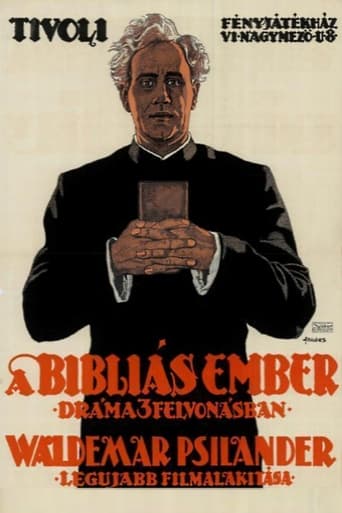
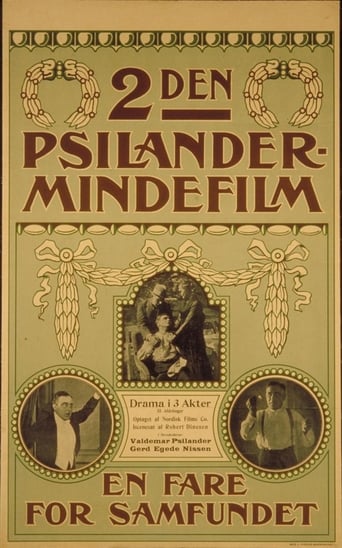
About Valdemar Psilander
Danish silent film actor who became popular and highest-paid actors in early European cinema. Born in Copenhagen in 1884, he began his career on the stage before transitioning to film in 1910 with Nordisk Film, Denmark's leading film studio. His breakthrough came quickly, and by 1911 he was already starring in multiple successful productions, establishing himself as a romantic leading man with intense emotional range. Psilander's acting style was characterized by his passionate performances and striking screen presence, making him an international star whose films were distributed across Europe. Despite his relatively brief career, he appeared in over 80 films between 1910 and 1916, working with prominent directors like August Blom and Urban Gad. His tragic death at age 32 in 1917, reportedly by suicide, shocked the film industry and cut short what could have been an even more influential career. Today, he is remembered as one of Denmark's first true film stars and a significant figure in the development of early European cinema.
The Craft
On Screen
Psilander was known for his intense, passionate acting style that combined theatrical training with naturalistic screen presence. He excelled at conveying deep emotions through subtle facial expressions and body language, particularly in romantic and dramatic roles. His performances were characterized by a magnetic screen presence and the ability to portray complex psychological states, making him particularly effective in melodramas and romantic tragedies.
Milestones
- Film debut in 1910 with Nordisk Film
- Became Denmark's highest-paid actor by 1912
- Starred in over 80 films in just 6 years
- International recognition across Europe
- Leading role in the epic 'In Defense of the Nation' (1916)
Best Known For
Iconic Roles
Must-See Films
Accolades
Special Recognition
- Recognized as Denmark's first international film star
- Historically acknowledged as one of early cinema's most significant actors
Working Relationships
Worked Often With
Studios
Why They Matter
Impact on Culture
Valdemar Psilander played a crucial role in establishing Denmark as a major force in early European cinema. His international popularity helped demonstrate that European films could compete with American productions, and his success with Nordisk Film contributed to the studio's dominance in the European market during the 1910s. Psilander's films were particularly influential in developing the melodramatic style that would become characteristic of European cinema, and his naturalistic acting approach contrasted with the more theatrical styles common in the period.
Lasting Legacy
Psilander's legacy endures as one of Denmark's most important contributions to early cinema. He is remembered as a pioneer who helped establish the star system in European film and demonstrated the commercial potential of Danish cinema internationally. His films are studied by film historians as examples of early cinematic storytelling techniques and the development of naturalistic acting in silent films. The Danish Film Institute preserves many of his works, ensuring that future generations can study his contributions to cinema history.
Who They Inspired
Psilander influenced a generation of Danish and European actors through his naturalistic screen technique and emotional intensity. His success proved that European actors could achieve international stardom, paving the way for later Scandinavian actors like Greta Garbo and Ingrid Bergman. His approach to romantic drama influenced the development of melodramatic conventions in European cinema, and his work with Nordisk Film helped establish professional standards for film production in Denmark.
Off Screen
Psilander married actress Edith Buemann in 1911, and the couple became one of Denmark's most celebrated acting pairs. Their marriage was both personal and professional, as they frequently appeared together in films. Despite his professional success, Psilander struggled with personal demons, and his career was marked by periods of intense work pressure. His death at age 32 left behind his wife and a legacy as one of Denmark's most beloved early film actors.
Education
Trained at the Royal Danish Theatre (Det Kongelige Teater) in Copenhagen
Family
- Edith Buemann Psilander (1911-1917)
Did You Know?
- Was one of the highest-paid actors in the world during his peak
- Appeared in over 80 films in just 6 years
- His death at 32 was ruled suicide by gunshot
- Was married to fellow actress Edith Buemann
- His films were exported to over 20 countries
- Was known as 'The Danish Valentino' for his romantic roles
- Worked exclusively with Nordisk Film throughout his career
- His salary in 1912 was equivalent to today's millions
- Spoke fluent German, which helped his international appeal
- His last completed film was 'In Defense of the Nation' (1916)
In Their Own Words
I believe the camera captures the soul, not just the image
Acting for film requires truth, not theater's exaggeration
Every role must come from the heart, not the script alone
Frequently Asked Questions
Who was Valdemar Psilander?
Danish silent film with credits in this catalog. Active from 1910 to 1916, he appeared in over 80 films and was known for his passionate performances in romantic and dramatic roles.
What films is Valdemar Psilander best known for?
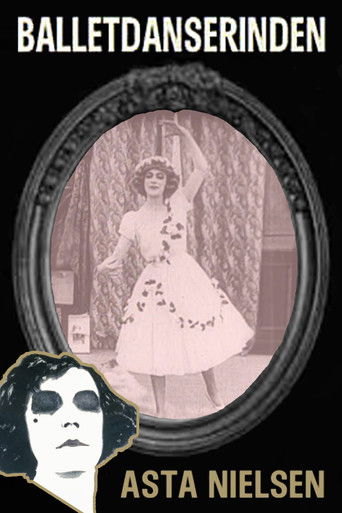
Titles linked here include The Price of Beauty (1911), The Ballet Dancer (1911).
When was Valdemar Psilander born and when did he die?
Born May 9, 1884; died March 6, 1917.
What awards did Valdemar Psilander win?
During his lifetime, formal film awards were not yet established, so Psilander did not receive official accolades. However, he was recognized as Denmark's highest-paid actor and one of Europe's biggest film stars of his era.
What was Valdemar Psilander's acting style?
Psilander was known for his intense, passionate acting style that combined theatrical training with naturalistic screen presence. He excelled at conveying deep emotions through subtle expressions and was particularly effective in melodramatic and romantic roles.
Why is Valdemar Psilander important in film history?
Psilander is important as one of Denmark's first international film stars who helped establish European cinema's global presence. His work with Nordisk Film contributed to Denmark's dominance in early European film markets and influenced the development of naturalistic acting in silent cinema.