
Films
5 films
About Otto Lagoni
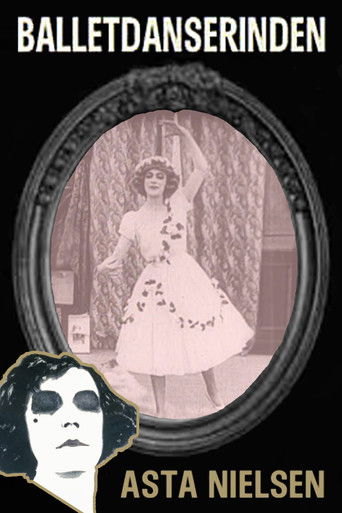
Minor actor during the earliest years of American cinema, appearing in silent films during the transitional period when the film industry was still establishing itself as a legitimate art form. His brief only two years, from 1910 to 1911, during which he appeared in at least three short films that were typical of the era's one-reel productions. Like many actors of this period, Lagoni was likely a stage performer who transitioned to the new medium of motion pictures as it gained popularity. His filmography includes 'The Confidence Trick' (1910), followed by 'The Price of Beauty' (1911) and 'The Ballet Dancer' (1911), all of which were likely produced by one of the early East Coast film studios before the industry's migration to Hollywood. After 1911, Lagoni disappears from the historical record, suggesting he either returned to stage work, pursued another career entirely, or possibly changed his professional name. His brief appearance in film history represents the countless anonymous performers who contributed to cinema's development during its formative years.
The Craft
Milestones
- Film debut in 'The Confidence Trick' (1910)
- Appeared in two films in 1911 during peak of brief career
Best Known For
Must-See Films
Why They Matter
Impact on Culture
Otto Lagoni's cultural impact is minimal, reflecting his brief career as a minor actor during cinema's infancy. However, performers like Lagoni collectively contributed to the development of film acting techniques during a period when the craft was still being defined. His work represents the foundation upon which later silent film stars would build their careers, even though individual contributions from such early actors are largely forgotten.
Lasting Legacy
Otto Lagoni's legacy is primarily as an example of the countless anonymous performers who populated early American films during the industry's formative years. His three surviving film credits serve as historical artifacts documenting the types of productions and performances typical of 1910-1911 cinema. While not remembered as an influential figure, Lagoni is part of the broader tapestry of early film history that demonstrates how the motion picture industry evolved from novelty to art form.
Who They Inspired
There is no documented evidence that Otto Lagoni directly influenced other performers or filmmakers, which is typical for actors with such brief and minor careers. However, like all early film performers, he contributed to the gradual development of screen acting conventions that would later be refined and expanded by more prominent figures in cinema history.
Off Screen
Very little is known about Otto Lagoni's personal life, which is typical for minor actors from the earliest period of American cinema. Like many performers of this era, detailed biographical information was not systematically preserved, and many records have been lost to time.
Did You Know?
- Appeared in films during the transitional period when American cinema was moving from novelty to narrative storytelling
- His entire known filmography consists of only three films over two years
- All of his films were produced before the major film industry migration to Hollywood
- Like many early film actors, his career was likely brief due to the unstable nature of the early film industry
- His name suggests possible European heritage, common among early American film performers
- The films he appeared in were likely short one-reel productions typical of the era
- No known photographs of Otto Lagoni survive in public archives
- His disappearance from film records after 1911 reflects the high turnover of early film performers
Frequently Asked Questions
Who was Otto Lagoni?
Minor with credits in this catalog. He appeared in three short films during the infancy of cinema when the industry was still establishing itself.
What films is Otto Lagoni best known for?
Titles linked here include The Confidence Trick (1910), The Price of Beauty (1911).
When was Otto Lagoni born and when did he die?
Otto Lagoni's birth and death dates are unknown, which is typical for minor actors from the earliest period of American cinema when detailed biographical records were not systematically maintained.
What awards did Otto Lagoni win?
Otto Lagoni did not receive any known awards or honors during his brief film career, as the major award systems for cinema had not yet been established during his active period.
What was Otto Lagoni's acting style?
There is no documented information about Otto Lagoni's specific acting style, as detailed reviews and critiques of minor performers from this early period are extremely rare or nonexistent.