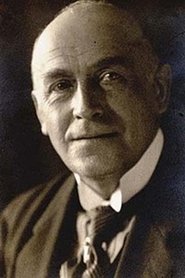
August Blom
Director
Born: December 26, 1869 in Copenhagen, Denmark Died: January 10, 1947 Active: 1911-1925
Films
9 films




About August Blom
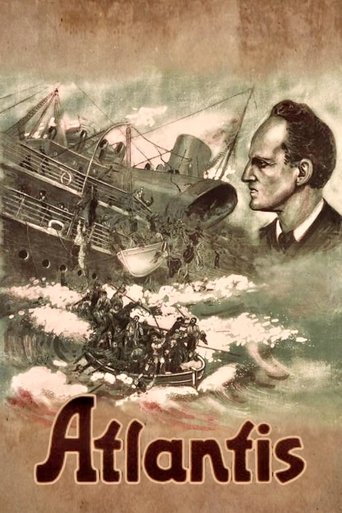
Danish film director who in establishing Denmark as a major force in international cinema during the silent era. Beginning his career around 1911, Blom quickly became one of Nordisk Film's most valuable directors, directing over 100 films during his relatively short but highly influential career. His most significant achievement was the 1913 feature film 'Atlantis,' which was one of the first Danish feature films to gain worldwide distribution and demonstrated the commercial viability of longer narrative films. Blom was known for his technical innovations, sophisticated storytelling techniques, and willingness to tackle controversial subjects. His work often combined melodramatic elements with realistic settings, and he was among the first directors to extensively use location shooting. Although his directing career was relatively brief, spanning primarily from 1911 to 1916, his impact on the development of European cinema was substantial and long-lasting.
The Craft
Behind the Camera
August Blom was known for his innovative approach to filmmaking, combining technical sophistication with compelling narrative techniques. He was among the first directors to recognize the potential of feature-length films, moving away from the short films that dominated early cinema. Blom frequently employed location shooting rather than relying solely on studio sets, giving his films a greater sense of realism and authenticity. His directing style blended melodramatic storytelling with realistic situations and settings, creating emotionally engaging narratives that resonated with international audiences. He demonstrated particular skill in managing complex productions and was adept at creating visual spectacle while maintaining narrative coherence.
Milestones
- Directed 'Atlantis' (1913), one of the first Danish feature films to gain international distribution
- Pioneered the multi-reel feature film format in Denmark
- Directed over 100 films during his career
- Helped establish Nordisk Film as a major European production company
- Contributed to Denmark's golden age of cinema in the early 1910s
- Influenced the development of narrative cinema in Europe
Best Known For
Must-See Films
Accolades
Special Recognition
- Recognized as a pioneer of Danish cinema
- Credited with establishing Denmark as an early international film power
Working Relationships
Worked Often With
Studios
Why They Matter
Impact on Culture
August Blom played a pivotal role in establishing Denmark as a major force in international cinema during the silent era. His film 'Atlantis' was groundbreaking not only for its length and narrative complexity but also for demonstrating that European films could compete successfully in the global market. The film's international success helped establish the commercial viability of feature-length productions, influencing the direction of cinema worldwide. Blom's work contributed significantly to what is now considered the golden age of Danish cinema (1910-1914), when Danish films were among the most popular and critically acclaimed internationally. His technical innovations, particularly in location shooting and narrative structure, helped advance the language of cinema and influenced filmmakers across Europe.
Lasting Legacy
August Blom's legacy endures through his substantial contributions to early cinema, particularly in establishing the feature film format and demonstrating Denmark's capability to produce internationally successful films. His work at Nordisk Film helped create a model for film production that would be emulated by other European studios. While his name may not be as widely recognized today as some of his contemporaries, film historians acknowledge his crucial role in cinema's development from short novelty films to sophisticated feature-length storytelling. The techniques and narrative approaches he pioneered influenced subsequent generations of filmmakers, both in Denmark and internationally. His films, particularly 'Atlantis,' remain important historical artifacts that document the evolution of cinematic language and the globalization of film culture in the early 20th century.
Who They Inspired
Blom's influence extended beyond his own films to shape the development of European cinema as a whole. His success with feature-length productions encouraged other European filmmakers to move beyond short films, accelerating the industry's transition toward longer, more complex narratives. His work at Nordisk Film helped establish a production model that balanced artistic ambition with commercial considerations, influencing how studios across Europe operated. Danish directors who followed, including Benjamin Christensen and Carl Theodor Dreyer, built upon the foundation that Blom helped establish. His international success demonstrated that European cinema could compete with American productions, contributing to a more diverse global film market during the silent era.
Off Screen
August Blom married actress Johanne Fritz-Petersen, who frequently appeared in his films, creating one of early cinema's notable director-actor collaborations. Their professional partnership was highly productive, with Johanne starring in many of Blom's most successful works during the peak of his directing career. Beyond his marriage, detailed information about Blom's personal life remains relatively scarce, as was common for many figures of early cinema whose private lives were not extensively documented. After his directing career diminished in the mid-1910s, he continued to work in the film industry in other capacities, though specific details about his later professional activities are limited.
Education
Limited information available about his formal education, typical of many early film pioneers who entered the industry from various backgrounds
Family
- Johanne Fritz-Petersen (married)
Did You Know?
- Directed over 100 films in a career spanning approximately 15 years
- 'Atlantis' (1913) was one of the first Danish feature films and featured a ship sinking scenario released shortly after the Titanic disaster
- His film 'Atlantis' was banned in Norway and Russia due to its controversial content
- Was married to actress Johanne Fritz-Petersen, who starred in many of his films
- Helped establish Nordisk Film as one of Europe's major film production companies
- Part of Denmark's golden age of cinema when Danish films dominated international markets
- His career peaked during the period 1911-1914, considered the height of Danish cinema's international influence
- Pioneered the use of location shooting in Danish cinema
- His films were distributed internationally, helping establish global cinema markets
- After his directing career ended, he continued working in the film industry in other capacities
Frequently Asked Questions
Who was August Blom?
Danish on YTB.my. He was instrumental in establishing Denmark as a major force in international cinema during the early 1910s and directed over 100 films during his career.
What films is August Blom best known for?
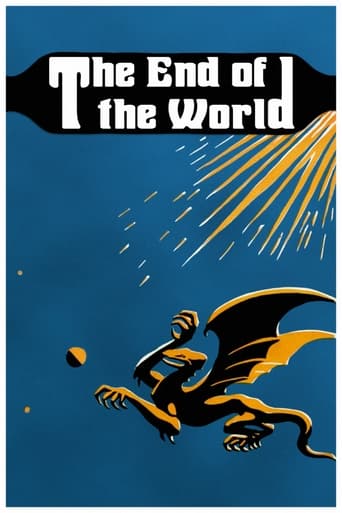
Titles linked here include Atlantis (1913), The End of the World (1916).
When was August Blom born and when did he die?
Born December 26, 1869; died January 10, 1947.
What awards did August Blom win?
During August Blom's active period (1911-1925), formal film awards had not yet been established, so he did not receive major awards during his lifetime. However, he is now recognized by film historians as a pioneer of Danish cinema and a significant figure in early film history.
What was August Blom's directing style?
Blom's directing style was characterized by technical innovation and sophisticated storytelling. He pioneered the use of location shooting, blended melodramatic elements with realistic settings, and was among the first directors to recognize the potential of feature-length narrative films. His work combined visual spectacle with emotional storytelling.
How did August Blom influence cinema?
Blom influenced cinema by demonstrating the commercial viability of feature-length films, technical innovations in filmmaking, and helping establish Denmark as an international film power. His success with 'Atlantis' proved that European films could compete globally, and his work influenced subsequent generations of Danish and European directors.
Why was 'Atlantis' controversial?
'Atlantis' was controversial primarily because it featured a ship sinking scenario released shortly after the real Titanic disaster in 1912. The timing led to accusations of exploitation, and the film was banned in several countries including Norway and Russia. The controversy highlighted early cinema's relationship with real-world events.