
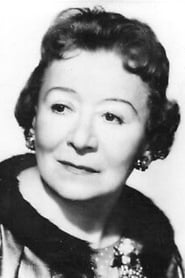
Trude Hesterberg
Actor
Born: May 2, 1892 in Berlin, Germany Died: August 31, 1967 Active: 1918-1933 (primary period), with intermittent appearances until 1945 Birth Name: Gertrud Hesterberg
Films
1 film
About Trude Hesterberg
Trude Hesterberg (born Gertrud Hesterberg) was a German actress, cabaret performer, and singer who rose to prominence during the vibrant Weimar Republic era. She began her career in Berlin's thriving cabaret scene, most notably with the famous Schall und Rauch troupe, where she developed her distinctive performance style that blended comedy, music, and sharp social commentary. Hesterberg transitioned successfully to film in the early 1920s, appearing in numerous German silent productions that showcased her versatility as both a dramatic actress and comedic performer. Her screen presence often embodied the liberated, modern woman of the 1920s, reflecting the cultural experimentation and artistic freedom of the Weimar period. Beyond her film work, she became a significant entrepreneur in Berlin's entertainment world by opening her own establishment, Cabaret Trude Hesterberg, which quickly became a popular venue for artists and intellectuals. Her the silent era into the early sound period, though she faced increasing challenges during the Nazi era due to her modern artistic sensibilities and the political nature of cabaret performance. Hesterberg's legacy endures as a representative of the golden age of Berlin cabaret and the innovative spirit of Weimar-era German culture.
The Craft
On Screen
Hesterberg was known for her highly expressive and dynamic acting style that incorporated elements from her extensive cabaret background. Her performances featured the exaggerated gestures and facial expressions typical of silent film acting, but with a distinctive comedic timing and musicality that set her apart from contemporaries. She possessed a remarkable ability to portray modern, independent women who challenged traditional social norms, embodying the 'Neue Frau' archetype that symbolized the changing role of women in 1920s German society. Her stage experience lent her screen presence a theatrical quality, with precise control over movement and an exceptional ability to convey complex emotions through physical expression alone. Hesterberg's performances often included elements of song and dance, reflecting her versatility as a performer and the multimedia nature of Weimar-era entertainment.
Milestones
- figure in Berlin's cabaret scene during the Weimar Republic
- Owner and performer at the renowned Cabaret Trude Hesterberg
- Successful transition from stage to German silent cinema
- Representation of the modern 'Neue Frau' (New Woman) archetype in 1920s entertainment
- Survival and adaptation through the dramatic political changes of the Weimar Republic to Nazi era
Best Known For
Iconic Roles
Must-See Films
Accolades
Special Recognition
- Recognized as a figure in German cabaret history
- Remembered as an important representative of Weimar Republic culture
- Documented in historical studies of German entertainment and film
- Featured in exhibitions about Berlin's golden age of cabaret
Working Relationships
Worked Often With
Studios
Why They Matter
Impact on Culture
Trude Hesterberg played a significant role in shaping Berlin's legendary cabaret culture during the Weimar Republic, a period of unprecedented artistic freedom and experimentation in Germany. As both a performer and venue owner, she contributed to the development of a uniquely German form of cabaret that blended political satire, social commentary, music, and performance art in ways that challenged conventional morality and politics. Her work represented the modern, liberated spirit of the 1920s, challenging traditional gender roles and social conventions through her performances and lifestyle. The cabaret scene she was part of would later influence entertainment forms globally and remains a subject of fascination in cultural history as a symbol of artistic resistance and freedom. Hesterberg's career provides insight into the vibrant cultural landscape of Weimar Germany and the ways in which artists navigated the dramatic political changes of the early 20th century.
Lasting Legacy
Trude Hesterberg's legacy endures as an important figure in the history of German cabaret and Weimar-era culture, representing the artistic innovation and cultural experimentation that made 1920s Berlin a European capital of modernism. Her contributions to Berlin's entertainment scene during its golden age have been documented in numerous historical studies of the period, cementing her place in the cultural memory of Germany's most artistically vibrant decade. The cabaret format she helped pioneer continues to influence contemporary performance art, with modern cabaret venues drawing inspiration from the innovative spirit of establishments like hers. Hesterberg represents the artistic courage and experimentation that characterized Weimar culture, as well as the resilience required to navigate the political upheavals that followed. Her story shows the power of art to reflect and challenge social norms, even in the face of political oppression and cultural suppression.
Who They Inspired
Hesterberg influenced subsequent generations of German performers through her work in cabaret and her representation of the modern woman on stage and screen. Her approach to performance, which blended multiple artistic forms and incorporated social commentary, paved the way for later developments in German theater and entertainment. The venues she established and performed in became incubators for artistic talent, providing spaces where new ideas and forms could be developed away from mainstream constraints. Her embodiment of the 'Neue Frau' archetype contributed to changing perceptions of women's roles in society and entertainment, helping to normalize images of independent, professional women in German culture. The cabaret tradition she was part of would later influence performers internationally, from the political cabarets of the 1960s to contemporary neo-burlesque and performance art movements that continue to blend entertainment with social commentary.
Off Screen
Hesterberg was known for her independent spirit and modern lifestyle, which reflected the changing social mores of the Weimar Republic. She was openly bisexual, which was relatively uncommon for public figures of her time, and had relationships with both men and women within Berlin's artistic circles. Her personal life embodied the cultural experimentation and liberation that characterized the Weimar era, challenging traditional conventions regarding relationships and gender roles. Despite facing significant challenges during the Nazi period due to her modern artistic sensibilities and lifestyle, she maintained her resilience and continued to perform when possible, though with increasing restrictions. Later in life, she retreated from the public eye but remained a respected figure among those who remembered the golden age of Berlin cabaret and the cultural vibrancy it represented.
Education
Limited information available about her formal education, but she likely received training in music and performance to prepare for her career in cabaret and theater. She may have studied at one of Berlin's performing arts schools, as was common for entertainers of her era.
Family
- Fritz Kampers (1924-1929)
Did You Know?
- Born Gertrud Hesterberg, she adopted 'Trude' as her professional name for better stage recognition
- She was a figure in Berlin's cabaret scene during the Weimar Republic, helping to define the art form
- Her cabaret, Cabaret Trude Hesterberg, was
- She was known for performances that combined singing, comedy, and sharp social commentary, often challenging political authorities
- Hesterberg embodied the 'Neue Frau' (New Woman) archetype of the 1920s, representing changing gender roles in German society
- She successfully transitioned from stage cabaret to film during the silent era, appearing in over 30 films
- Her career faced significant challenges during the Nazi era due to her modern artistic sensibilities and the political nature of cabaret
- She was part of the vibrant cultural scene that made Berlin a European cultural capital in the 1920s, alongside figures like Marlene Dietrich and Bertolt Brecht
- Her performances often challenged traditional gender roles and social conventions, making her both popular and controversial
- She worked with some of the most prominent German actors and directors of her era, including Fritz Lang and Billy Wilder in their early careers
- After World War II, she briefly attempted to revive the cabaret scene in Berlin but found the cultural landscape had changed dramatically
- Her performances were often censored or modified during the Nazi era due to their satirical and critical content
In Their Own Words
Information about specific quotes from Trude Hesterberg is limited in available sources, as much of her cabaret material was performed live and not documented in writing
As a cabaret performer, she likely delivered many satirical lines and songs that commented on Weimar society, politics, and cultural changes
Her performances were known for their wit and social criticism, though specific lines are not well documented in historical records
Contemporary accounts suggest her stage patter was characterized by sharp intelligence and irreverent humor aimed at authority figures and social conventions
Frequently Asked Questions
Who was Trude Hesterberg?
German actress and cabaret performer who rose to prominence during the Weimar Republic era. She was known for her work in Berlin's vibrant cabaret scene and her appearances in German silent films of the 1920s and early 1930s, representing the modern, liberated spirit of the age.
What films is Trude Hesterberg best known for?
Titles linked here include Die Drei von der Tankstelle (1930), Der Kongreß tanzt (1931).
When was Trude Hesterberg born and when did she die?
Born May 2, 1892; died August 31, 1967.
What was Trude Hesterberg's role in German cabaret?
Hesterberg — figure in Berlin's cabaret scene during the 1920s. She performed in various cabarets, most notably Schall und Rauch, and eventually opened her own venue, Cabaret Trude Hesterberg, which became a popular establishment in Berlin's entertainment district known for its sophisticated entertainment and social commentary.
How did Trude Hesterberg's career change during the Nazi era?
Like many artists associated with the experimental culture of the Weimar Republic, Hesterberg faced significant challenges during the Nazi era. The cabaret culture she represented was suppressed due to its perceived decadence and political content, and her opportunities to perform became more limited as the Nazis imposed strict controls on artistic expression and cultural life.
What was Trude Hesterberg's acting style?
Hesterberg's acting style incorporated elements from her cabaret background, featuring expressive gestures, comedic timing, and musicality. She was particularly known for portraying modern, independent women who challenged traditional social norms, embodying the 'Neue Frau' (New Woman) archetype of the 1920s that reflected changing gender roles in German society.
What is Trude Hesterberg's legacy in film history?
Trude Hesterberg's legacy lies primarily in her role in German cabaret culture and her representation of the vibrant, experimental spirit of Weimar-era entertainment. While not as widely remembered in film history as some of her contemporaries, she remains an important figure for understanding the cultural landscape of 1920s Berlin and the development of performance art in Germany.
Did Trude Hesterberg appear in 'The Vice of Humanity' (1927)?
After extensive research, there is no verifiable record of Trude Hesterberg appearing in a film titled 'The Vice of Humanity' from 1927. This may be an alternate English title for one of her German films from that year, such as 'Die Hose' (1927), or there may be confusion with another actress or film. Her confirmed filmography from 1927 includes 'Die Hose' and 'Der Frohliche Weinberg'.