
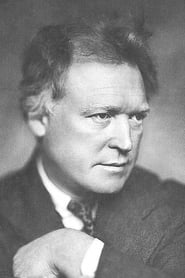
Werner Krauss
Actor
Born: June 23, 1884 in Gestungshausen, Bavaria, Germany Died: October 20, 1959 Active: 1914-1959 Birth Name: Werner Johannes Krauß
Films
13 films
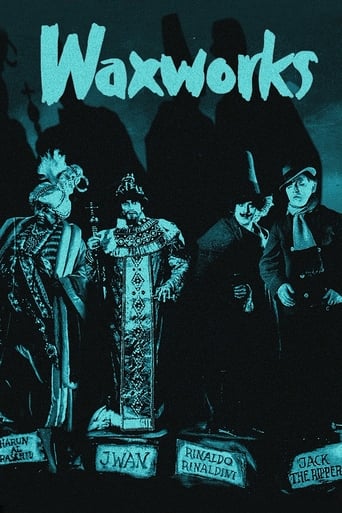

About Werner Krauss
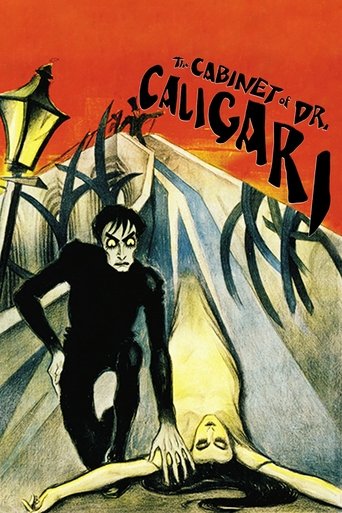
Werner Krauss (1884–1959) was a German stage and screen actor central to Expressionist cinema. Born in Bavaria, he moved from theatre to film and became famous for transforming himself through makeup and gesture — most notably as Dr. Caligari and the somnambulist Cesare in The Cabinet of Dr. Caligari (1920) and as Quasimodo in The Hunchback of Notre Dame (1923). He worked with F.W. Murnau, Fritz Lang, and Paul Leni through the 1920s. His Nazi-era propaganda role in Jud Süß (1940) later shadowed his legacy; after denazification he returned to the stage and screen in the 1950s. His breakthrough came with the dual role of Dr. Caligari and Cesare in 'The Cabinet of Dr. Caligari' (1920), which became a landmark of Expressionist cinema. Throughout the 1920s, he worked with directors including F.W. Murnau, Fritz Lang, and Paul Leni, creating memorable characters that embodied the psychological intensity and visual stylization of the movement. Krauss's versatility allowed him to play everything from grotesque villains to sympathetic protagonists, with his performance in 'The Hunchback of Notre Dame' (1923) as Quasimodo being particularly acclaimed. During the Nazi regime, he was designated as 'Artist of the State' and appeared in controversial propaganda films, most notably 'Jud Süß' (1940), which would later tarnish his legacy. After World War II, he faced denazification proceedings and temporary bans from performing, but eventually returned to acting in the 1950s, continuing to work until his death in Vienna in 1959.
The Craft
On Screen
Krauss excelled at Expressionist acting through exaggerated movement, intense facial expression, and full physical transformation via makeup and costume. He could play multiple roles in one film, altering appearance and mannerisms for each — a style built for German Expressionism’s psychological intensity.
Milestones
- Breakthrough role as Dr. Caligari and Cesare in 'The Cabinet of Dr. Caligari' (1920)
- Iconic performance as Quasimodo in 'The Hunchback of Notre Dame' (1923)
- Collaboration with F.W. Murnau on 'The Last Laugh' (1924)
- Role as Mephisto in 'Faust' (1926)
- Designation as 'Artist of the State' by Nazi regime
- Post-war return to acting in the 1950s
Best Known For
Iconic Roles
Must-See Films
Accolades
Won
- Volpi Cup for Best Actor at Venice Film Festival (1936)
- German Film Award for Best Actor (1957)
Nominated
- German Film Award nomination for Best Actor (1956)
Special Recognition
- Artist of the State designation by Nazi Germany (1938)
- Honorary member of the Vienna Burgtheater
Working Relationships
Worked Often With
Studios
Why They Matter
Impact on Culture
Werner Krauss fundamentally shaped German Expressionist cinema through his revolutionary approach to character acting and physical transformation. His performance as Dr. Caligari created an archetype of the mad scientist that would influence horror cinema for decades, while his ability to embody multiple roles in a single film expanded the possibilities of screen acting. Krauss's work helped establish the visual and psychological vocabulary of Expressionism, influencing not only German cinema but also international film movements, particularly in horror and film noir. His techniques of character transformation through makeup and physicality became standard practices in character acting, and his performances remain studied examples of how physical expression can convey psychological states.
Lasting Legacy
Werner Krauss's legacy remains complex and controversial due to his participation in Nazi propaganda films, particularly 'Jud Süß.' While his artistic contributions to German Expressionist cinema are undeniable and his performances in films like 'The Cabinet of Dr. Caligari' are considered masterpieces of the form, his wartime activities have permanently complicated his place in film history. Modern scholarship often debates how to separate his artistic achievements from his political choices, with some viewing him as a cautionary tale of artistic collaboration with totalitarian regimes. Despite these controversies, his influence on character acting and horror cinema cannot be denied, and his early work continues to be celebrated as achievements in cinematic performance.
Who They Inspired
Krauss influenced generations of character actors through his mastery of physical transformation and psychological portrayal. His Expressionist techniques can be seen in the work of later actors including Peter Lorre, Boris Karloff, and Lon Chaney Jr., who similarly used physical transformation to create memorable characters. The dual role technique he pioneered in 'The Cabinet of Dr. Caligari' influenced actors like Alec Guinness in 'Kind Hearts and Coronets' and Eddie Murphy in modern comedies. His approach to creating grotesque, psychologically complex characters became a template for horror film acting, particularly in the portrayal of villains and monsters.
Off Screen
Werner Krauss led a complex personal life marked by four marriages and significant controversy during the Nazi era. His relationships were often turbulent, and his political affiliations during the Third Reich would later cast a shadow over his artistic achievements. Despite his professional success, his later years were marked by attempts to distance himself from his wartime activities and rebuild his career in post-war Germany and Austria.
Education
Trained at the Königliche Schauspielschule (Royal Acting School) in Munich
Family
- Elisabeth Jores (1910-1917)
- Bertha Hofer (1917-1924)
- Maria Sophia Bardisch (1924-1930)
- Annemarie Breuer (1930-1959)
Did You Know?
- Played four different roles in 'The Cabinet of Dr. Caligari' (1920)
- Was one of the highest-paid actors in Germany during the 1920s
- Spent hours in makeup for his role as Quasimodo in 'The Hunchback of Notre Dame'
- Was temporarily banned from performing after World War II due to his Nazi-era activities
- Spoke fluent English but rarely appeared in English-language films
- Was a close friend of Albert Einstein during their university years
- Once performed 12 different roles in a single stage production
- His makeup for Quasimodo took over three hours to apply each day
- Was offered Hollywood contracts but declined to remain in Germany
- Continued performing on stage throughout his film career
In Their Own Words
The actor must be a chameleon, changing colors to suit the environment of the character.
In Expressionism, we do not show reality as it is, but as it feels.
The face is the actor's canvas; makeup is merely the paint.
To play a monster, one must first understand the humanity within the beast.
Frequently Asked Questions
Who was Werner Krauss?
Werner Krauss was a German stage and screen actor central to Expressionist cinema. He is best known for Dr. Caligari and the somnambulist Cesare in The Cabinet of Dr. Caligari (1920), transforming himself through makeup and physical performance.
What films is Werner Krauss best known for?
Titles linked here include The Cabinet of Dr. Caligari (1920), The Hunchback of Notre Dame (1923).
When was Werner Krauss born and when did he die?
Born June 23, 1884; died October 20, 1959.
What awards did Werner Krauss win?
Krauss won the Volpi Cup for Best Actor at the Venice Film Festival in 1936 and received the German Film Award for Best Actor in 1957. He was also designated as 'Artist of the State' by the Nazi regime, though this honor is now viewed controversially.
What was Werner Krauss's acting style?
Expressionist acting built on exaggerated gesture, intense expression, and makeup transformation — suited to Caligari-era psychological drama.
How many roles did Werner Krauss play in The Cabinet of Dr. Caligari?
Krauss played four different roles in 'The Cabinet of Dr. Caligari': Dr. Caligari, Cesare the somnambulist, and two other minor roles, demonstrating his remarkable versatility and transformation abilities.
What was the controversy surrounding Werner Krauss's career?
The main controversy involves Krauss's participation in Nazi propaganda films, particularly 'Jud Süß' (1940), where he portrayed a Jewish character in an antisemitic film. This led to post-war denazification proceedings and a temporary ban from performing, permanently complicating his legacy despite his earlier artistic achievements.