Waxworks
"Three wax nightmares, one forbidden romance"
Keys: Space play/pause · ←/→ 10s · F fullscreen · M mute · </> speed
About this film
A circus wax museum hires a poet to invent lurid backstories for figures of Harun al-Rashid, Ivan the Terrible, and Jack the Ripper. As he writes, he and the owner's daughter Eva act out each tale and fall in love.
Cast & crew
More films like this
More Fantasy films
View all →
More about this film
About the production
Release dateNovember 13, 1924 (Germany)
Box officeUnknown - no reliable box office records exist from this period
ProductionDecla-Bioscop AG, UFA (Universum Film AG)
Filmed inBerlin, Germany, Tempelhof Studios, Berlin
This was one of the final major German Expressionist films before the movement's decline in the mid-1920s. The film's innovative use of moving cameras and fluid tracking shots represented a departure from the more static compositions typical of earlier Expressionist works. The wax museum sequences were particularly challenging to film, requiring elaborate lighting setups to create the eerie, lifelike quality of the figures. The production faced significant financial difficulties during filming, nearly leading to its cancellation before UFA stepped in to provide additional funding.
Themes
The nature of storytelling and creationReality versus illusionThe power of imaginationAuthority and tyrannyUrban fear and modern anxiety
Themes & topics
wax museumanthologypoetexpressionismhistorical figureshorrorfantasycircusdream sequencelove storyserial killertyrannystorytelling
Historical background
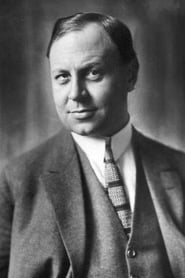
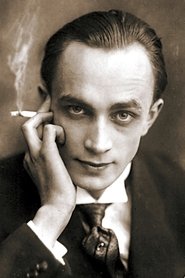
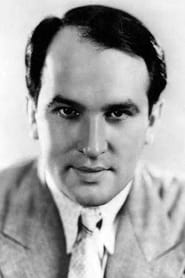
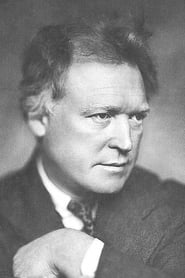
Made in 1924, Waxworks belongs to the Jazz Age and carries the visual and narrative habits of its time. Its stories are linked by a plot thread about a writer (William Dieterle) who accepts a job from a waxworks proprietor to write a series of stories about the exhibits of Caliph of Baghdad (Emil Jannings), Ivan the Terrible (Conrad Veidt) and Jack the Ripper (Werner Krauss) in order to boost business.
Why this film matters
For collectors of early and classic cinema, Waxworks illustrates the range of subjects and styles that reached theaters in 1924. Waxworks (German: Das Wachsfigurenkabinett) is a 1924 German silent anthology film directed by Paul Leni.
Making of
The production of 'Waxworks' was marked by significant creative tensions between its two credited directors, Paul Leni and Leo Birinski. Leni, who had a background in visual arts and set design, emphasized the film's Expressionist visual style, while Birinski focused more on the narrative structure and psychological elements. The casting process was particularly challenging, as Emil Jannings was initially reluctant to play the relatively small role of the wax museum owner, preferring more substantial dramatic parts. He was eventually persuaded by the opportunity to work with the innovative visual concepts Leni proposed. The elaborate wax museum set took weeks to construct, with special attention paid to lighting effects that would make the wax figures appear to move and change expression. Conrad Veidt underwent extensive makeup transformations for his role as Ivan the Terrible, spending up to four hours each day in the makeup chair. The film's most technically challenging sequence was the dreamlike transition between stories, which required innovative optical printing techniques that were cutting-edge for 1924.
What critics said
Critics writing near 1924 focused on how Waxworks compared with rival titles in the same season.
Did you know?
- Director Paul Leni used innovative camera techniques including sweeping tracking shots that were revolutionary for the time, particularly in the Harun al-Rashid sequence
- Emil Jannings, who played the wax museum owner, would later become the first recipient of the Academy Award for Best Actor in 1929
- Conrad Veidt's portrayal of Ivan the Terrible was so intense that it reportedly frightened some cast members during filming
- The original screenplay was written by Henrik Galeen, who also wrote 'The Golem' (1920) and 'Nosferatu' (1922)
- The film's English title 'Waxworks' was actually given during its American release in 1925, while the German title was 'Das Wachsfigurenkabinett'
- William Dieterle, who later became a prominent Hollywood director, appears in a small role as one of the poets competing for the job
- The Jack the Ripper sequence was considered so terrifying that some theaters cut it entirely from their showings
- The film was one of the first to use the anthology format, influencing later horror compilation films
- The wax figures were created by prominent Berlin sculptor Hermann Haller, who was renowned for his realistic sculptures
- The film's original negative was believed lost for decades until a complete print was discovered in the Soviet Union archives in the 1970s
Awards & recognition
- No major awards were given to the film during its initial release, as formal award ceremonies were not yet established in Germany
Visual style
The cinematography, primarily credited to Helmar Lerski, represents some of the most innovative work of the silent era. Lerski employed groundbreaking techniques including sweeping tracking shots that moved through the wax museum exhibits, creating a sense of fluid movement that was revolutionary for 1924. The lighting design was particularly sophisticated, using multiple light sources to create the illusion that the wax figures were actually moving and changing expression. Each of the three story segments had its own distinct visual style: the Harun al-Rashid sequence used warm, exotic lighting and elaborate set designs; the Ivan the Terrible segment employed stark, angular lighting and distorted perspectives to emphasize the tyrant's madness; and the Jack the Ripper sequence used deep shadows and limited lighting to create maximum suspense. The film also made innovative use of superimposition and double exposure techniques, particularly in the dream sequences that connect the three stories.
Innovations
The film pioneered several technical innovations that would influence cinema for decades. The most significant was its use of what Leni called 'the moving camera' - extensive tracking shots that glided through sets, creating a sense of continuous movement that was rare in 1924. The film also employed sophisticated optical printing techniques for its dream sequences and transitions between stories. The special effects used to bring the wax figures to life were particularly advanced for their time, using a combination of lighting tricks, multiple exposures, and carefully timed movements by actors in wax-like makeup. The set design by Robert Neppach and Erich Czerwonski featured movable elements that could be adjusted between takes to create the illusion of transformation. The film's makeup effects, particularly Conrad Veidt's transformation into Ivan the Terrible, set new standards for cinematic makeup artistry.
Music
As a silent film, 'Waxworks' would have been accompanied by live musical performances in theaters during its original release. The original German score was composed by Giuseppe Becce, especially prolific film composers of the silent era, who created specific musical themes for each of the three story segments. The Harun al-Rashid music incorporated Middle Eastern-inspired motifs, the Ivan the Terrible segment used dramatic, dissonant passages to emphasize the tyrant's madness, and the Jack the Ripper sequence employed suspenseful, atonal compositions. Different theaters would have adapted these scores based on their available musicians, ranging from full orchestras in prestigious cinemas to single pianists in smaller venues. Modern restorations of the film have featured newly composed scores by contemporary musicians, including versions by the Alloy Orchestra and others who attempt to recreate the spirit of the original while using modern musical sensibilities.
Famous quotes
(Intertitle) 'In the realm of dreams, reality and fantasy dance as one'
(Intertitle) 'Every figure has a story waiting to be told'
(Intertitle) 'The wax remembers what history forgets'
(Intertitle) 'In the poet's mind, even death comes alive'
Memorable scenes
- The opening sequence tracking through the wax museum with its eerie, lifelike figures
- Conrad Veidt's manic performance as Ivan the Terrible during the feast scene
- The dreamlike transition between stories as the poet and Eva float through various landscapes
- The Jack the Ripper pursuit through foggy London streets with innovative use of shadows and lighting
- The final scene where the wax figures seem to come alive as the poet completes his stories
What audiences thought
Contemporary audience reactions were mixed but generally positive, with many viewers particularly impressed by the film's visual spectacle and the vivid storytelling of the three segments. The Harun al-Rashid sequence was especially popular with audiences, who enjoyed its exotic setting and romantic elements. However, the Jack the Ripper segment proved too intense for some viewers, leading to complaints and even walkouts in several theaters. Despite these challenges, the film performed reasonably well at the German box office, particularly in urban centers where audiences were more accustomed to avant-garde cinema. The film's international release was more limited, but it found appreciative audiences in France and Britain where German Expressionist films had developed a cult following. Modern audiences rediscovered the film through various restorations and revivals, with many contemporary viewers expressing surprise at the sophistication of its visual effects and storytelling techniques.
Film connections
Influenced by
- The Cabinet of Dr. Caligari (1920)
- The Golem (1920)
- Nosferatu (1922)
- German Expressionist painting
- Gothic literature
- Edgar Allan Poe's tales
- The Thousand and One Nights
This film influenced
- Murders in the Rue Morgue (1932)
- The Black Cat (1934)
- Dead of Night (1945)
- The Fall of the House of Usher (1960)
- Creepshow (1982)
- Tales from the Darkside (1983)
- Pulp Fiction (1994)
Film restoration
The film was considered partially lost for decades until a complete 35mm print was discovered in the Soviet Union archives in the 1970s. This print had been seized by Soviet authorities after World War II and stored in the Gosfilmofond archive. The film underwent a major restoration by the Friedrich Wilhelm Murnau Foundation in the 1990s, which involved cleaning the surviving elements and reconstructing missing scenes from various sources. The restored version premiered at the Berlin International Film Festival in 1998. Several versions of varying quality exist, including tinted versions that replicate the original color effects used in some German releases. The film is now preserved in several major archives including the Museum of Modern Art, the British Film Institute, and the Bundesarchiv-Filmarchiv.
Where to watch
- The Criterion Collection (Blu-ray/DVD)
- Kino Classics (DVD/Blu-ray)
- The Murnau Foundation streaming service
- MUBI streaming platform (periodically available)
- Film archives and cinematheques that screen restored classics
- Various public domain streaming sites (quality varies)