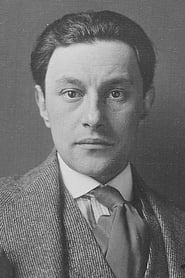
John Gottowt
Actor
Born: August 15, 1881 in Lemberg, Austria-Hungary (now Lviv, Ukraine) Died: August 29, 1942 Active: 1913-1942 Birth Name: Isidor Kaczmarek
Films
5 films
About John Gottowt
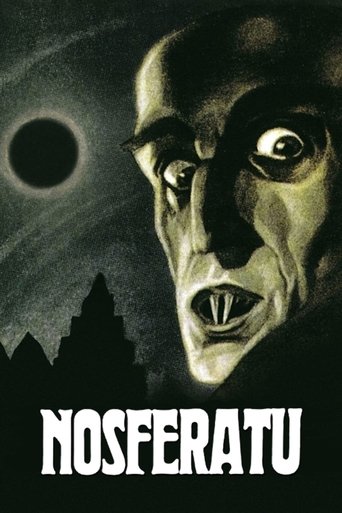
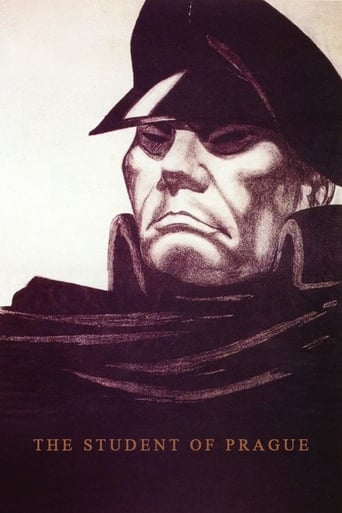
John Gottowt, born Isidor Kaczmarek, was a figure in German expressionist cinema whose distinctive appearance and intense acting style made him unforgettable in silent horror films. After beginning his career in theater, he transitioned to film just as German cinema was entering its golden age, appearing in some of the most influential works of the expressionist movement. His breakthrough came in 'The Student of Prague' (1913), one of the first German art films, where he played the demonic character who grants the protagonist's wish. Gottowt became a favorite of directors like F.W. Murnau and Robert Wiene, who cast him in roles that capitalized on his gaunt features and ability to portray otherworldly characters. His best-known role was as the vampire hunter Knock in 'Nosferatu' (1922), where his manic intensity perfectly complemented Max Schreck's terrifying Count Orlok. Beyond acting, Gottowt also directed films and managed theaters, demonstrating his multifaceted talent in the performing arts. His career was tragically cut short by the rise of Nazism, which forced him to flee Austria due to his Jewish heritage, leading to his death in exile in 1942.
The Craft
On Screen
Gottowt's acting style was quintessentially expressionist, characterized by exaggerated gestures, intense facial expressions, and a physical presence that perfectly suited the supernatural and psychologically disturbed characters he often portrayed. His gaunt, angular features and large, expressive eyes made him particularly effective in horror and fantasy roles, where he could convey both menace and otherworldliness. He mastered the art of silent film performance, using his entire body to communicate emotion and character, often employing jerky, unnatural movements that enhanced the uncanny atmosphere of German expressionist cinema. His performances were marked by a theatrical intensity that translated well to the stylized world of early German horror films.
Milestones
- Breakthrough role in 'The Student of Prague' (1913)
- Iconic performance as Knock in 'Nosferatu' (1922)
- Collaboration with F.W. Murnau on multiple expressionist masterpieces
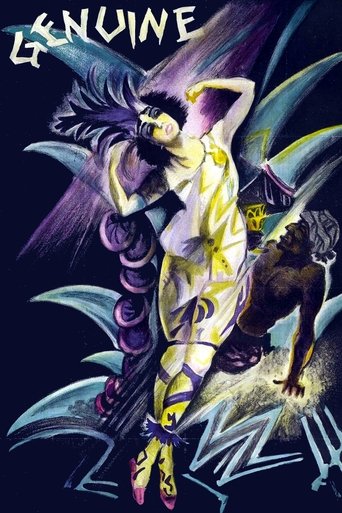
- Work with Robert Wiene on 'Genuine: The Tragedy of a Vampire' (1920)
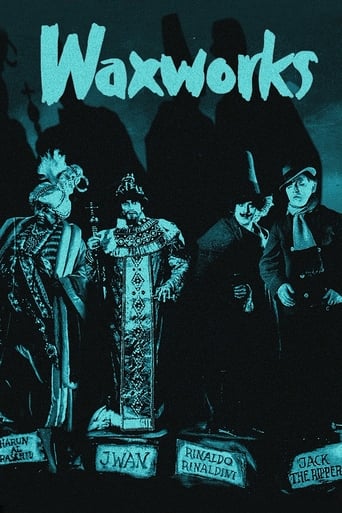
- Role in 'Waxworks' (1924) alongside Emil Jannings and Conrad Veidt
- Theater management and directing career parallel to acting
- Became typecast in supernatural and villainous roles due to distinctive appearance
Best Known For
Iconic Roles
Must-See Films
Accolades
Special Recognition
- Recognized as a figure in German expressionist cinema
- Cited as an influential character actor in early horror films
- Remembered as
Working Relationships
Worked Often With
Studios
Why They Matter
Impact on Culture
John Gottowt played a crucial role in establishing the visual and performative language of German expressionist cinema, particularly in the horror genre. His distinctive appearance and intense acting style helped define the aesthetic of early German horror films, influencing countless actors and filmmakers who followed. His performance in 'Nosferatu' as the vampire hunter Knock created an archetype of the obsessed, supernatural investigator that would be replicated in horror cinema for decades. Gottowt's work contributed to the international recognition of German cinema in the 1920s, helping establish Germany as a center of artistic innovation in film. His collaborations with directors like Murnau and Wiene resulted in some of the most influential films of the silent era, which continue to be studied and admired by film scholars and enthusiasts worldwide.
Lasting Legacy
John Gottowt's legacy endures through his unforgettable performances in some of the most important films of the silent era. His work in German expressionist cinema represents a pinnacle of character acting in horror and fantasy films, with his portrayal of Knock in 'Nosferatu' remaining a touchstone of silent horror. Despite being largely forgotten by mainstream audiences, film scholars and silent film enthusiasts recognize his craft and the intensity he brought to German expressionism. His tragic end during the Holocaust has also made him a symbol of the cultural and artistic loss suffered during this dark period of European history. Today, his films are preserved and studied as classics of world cinema, ensuring that his contributions to the art form will not be forgotten.
Who They Inspired
Gottowt's intense, physical style of acting influenced generations of character actors in horror and fantasy films. His ability to create memorable, unsettling characters with minimal dialogue demonstrated the power of visual performance in cinema. Later actors in horror films, particularly those playing supernatural investigators or obsessed characters, owe a debt to Gottowt's work. His collaboration with F.W. Murnau helped establish visual and performative conventions for vampire films that would influence the genre for decades. Directors like Tim Burton and Guillermo del Toro, who draw heavily from German expressionist aesthetics, are indirect artistic descendants of performers like Gottowt who helped establish this distinctive visual style.
Off Screen
John Gottowt was born into a Polish-Jewish family in Lemberg, which was then part of Austria-Hungary. He changed his name from Isidor Kaczmarek to John Gottowt early in his career to better fit the German-speaking entertainment industry. He married actress Grete Reinwald, though the marriage ended in divorce. His life was dramatically affected by the political upheavals of the early 20th century, particularly the rise of Nazism. Due to his Jewish heritage, he was forced to flee Austria after the Nazi annexation in 1938, spending his final years in exile. He died in Vienna in 1942, under circumstances that remain unclear but were likely related to the persecution of Jews during World War II.
Education
Trained in theater and acting, though specific educational institutions are not well documented in historical records
Family
- Grete Reinwald (1920-1928)
Did You Know?
- Born Isidor Kaczmarek, he changed his name to John Gottowt for his acting career
- His distinctive gaunt appearance made him perfect for horror and supernatural roles
- He was of Polish-Jewish descent but worked primarily in German cinema
- His role in 'Nosferatu' was as the vampire hunter Knock, not the vampire himself
- He worked with three of the most important directors of German expressionist cinema: Murnau, Wiene, and Wegener
- his first major film, is considered one of the first German art films
- He was forced to flee Austria after the Nazi annexation due to his Jewish heritage
- Beyond acting, he also directed films and managed theaters
- His death in 1942 occurred during the Holocaust, though exact circumstances are unclear
- His performance style was heavily influenced by his theatrical training
- He was typecast throughout his career due to his unique appearance
- His films were among the first German films to gain international recognition
In Their Own Words
As a silent film actor, no recorded quotes of his dialogue survive, but his performances were described by critics as 'electrifying' and 'hauntingly intense'
Frequently Asked Questions
Who was John Gottowt?
Austrian-Polish with credits in this catalog. Born Isidor Kaczmarek in 1881, he was known for his distinctive gaunt appearance and intense acting style, which made him perfect for supernatural and villainous characters in silent films.
What films is John Gottowt best known for?
Titles linked here include Nosferatu (1922), The Student of Prague (1913).
When was John Gottowt born and when did he die?
Born August 15, 1881; died August 29, 1942.
What awards did John Gottowt win?
John Gottowt did not receive formal awards during his career, as he worked primarily during the silent era when film awards were not yet established. However, he is now recognized as a figure in German expressionist cinema and an influential character actor in early horror films.
What was John Gottowt's acting style?
Gottowt's acting style was quintessentially expressionist, characterized by exaggerated gestures, intense facial expressions, and physical presence suited for supernatural characters. His gaunt features and expressive eyes made him particularly effective in horror roles, where he conveyed both menace and otherworldliness through theatrical, stylized performances.
Why is John Gottowt important in film history?
John Gottowt is important in film history as a key figure in German expressionist cinema, helping establish the visual and performative language of early horror films. His work in classics like 'Nosferatu' influenced generations of horror cinema, and his tragic death during the Holocaust represents the cultural loss suffered due to Nazi persecution.
Did John Gottowt work with any famous directors?
Yes, John Gottowt worked with some of the most important directors of the German expressionist movement, including F.W. Murnau on 'Nosferatu,' Robert Wiene on 'Genuine,' and Paul Wegener. These collaborations resulted in some of the most influential films of the silent era.