Films
2 films
About Olga Belajeff
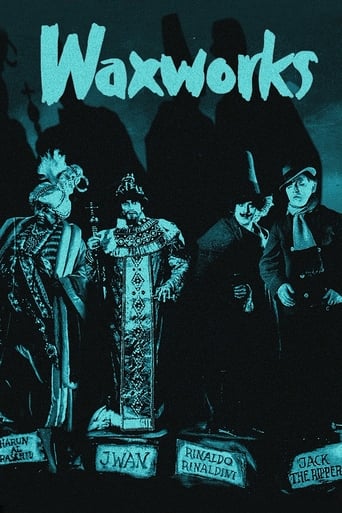
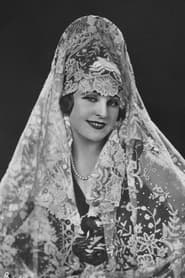
Russian actress who briefly worked in German silent cinema during the early 1920s. Born in Russia, she emerged during the golden age of German Expressionist cinema, appearing in notable productions that showcased the artistic innovation of the era. Her most significant role came in Paul Leni's acclaimed anthology horror film 'Waxworks' (1924), where she played alongside prominent actors of the time. She also appeared in 'The Hill Park Mystery' (1923), though this film has largely been lost to history. Belajeff's career was remarkably brief, spanning only 1923-1924, after which she seemingly vanished from the film industry. Her mysterious disappearance from cinema records has made her something of an enigma among film historians studying the period. Despite her limited filmography, her contribution to German Expressionist cinema, particularly in 'Waxworks,' represents the international nature of European film production during the silent era.
The Craft
On Screen
Belajeff's acting style was typical of the Expressionist era, characterized by exaggerated gestures and dramatic facial expressions to convey emotion without dialogue. Her performances embodied the heightened reality and psychological intensity that defined German Expressionist cinema of the 1920s.
Best Known For
Iconic Roles
Must-See Films
Working Relationships
Worked Often With
Studios
Why They Matter
Impact on Culture
Olga Belajeff represents the international character of European cinema during the silent era, where Russian talent could find opportunities in the thriving German film industry. Her participation in 'Waxworks' places her within the context of one of cinema's most artistically significant movements, German Expressionism, which would later influence film noir and horror genres worldwide. Though her personal impact was minimal due to her brief career, she contributed to a film that remains studied for its innovative visual techniques and narrative structure.
Lasting Legacy
Belajeff's legacy is primarily tied to her role in 'Waxworks,' which has become a cult classic among film historians and enthusiasts of German Expressionism. The film itself is considered a masterpiece of the horror anthology format and a prime example of Expressionist visual storytelling. While Belajeff herself remains obscure, her contribution to this important work ensures her place in film history, however minor. Her mysterious disappearance adds to the mystique surrounding many peripheral figures of the silent era whose stories remain incomplete.
Who They Inspired
Due to her extremely brief career, Olga Belajeff had minimal direct influence on subsequent performers or filmmakers. However, through her participation in 'Waxworks,' she contributed to a film that influenced generations of horror and fantasy filmmakers, particularly in its use of stylized sets and dream-like sequences that would become hallmarks of surrealist and expressionist cinema.
Off Screen
Very little is known about Olga Belajeff's personal life, as her career was extremely brief and she seemingly disappeared from public records after 1924. Her mysterious disappearance from film and lack of biographical records have made her a subject of curiosity among silent film historians.
Did You Know?
- Olga Belajeff appeared in only two known films during her entire career
- The film 'Waxworks' was an early example of the horror anthology format
- Belajeff worked during the peak of German Expressionism, one of cinema's most influential artistic movements
- Her co-star in 'Waxworks' was William Dieterle, who would later become a prominent Hollywood director
- The story she appeared in within 'Waxworks' was the 'The Poison Flagon' segment
- Very little personal information about her survives from the period
- Her career coincided with the hyperinflation crisis in Germany, which affected the film industry
- She represents the many international actors who worked in German cinema during the 1920s
- The complete version of 'The Hill Park Mystery' is believed to be lost
- Her disappearance from film records after 1924 remains unexplained
Frequently Asked Questions
Who was Olga Belajeff?
Russian actress who worked briefly in German silent cinema during 1923-1924, appearing in only two known films including the Expressionist masterpiece 'Waxworks' (1924).
What films is Olga Belajeff best known for?
Titles linked here include Waxworks (1924), The Hill Park Mystery (1923).
When was Olga Belajeff born and when did she die?
Olga Belajeff's exact birth and death dates are unknown, though she was active in films during 1923-1924. She was born in Russia, but specific dates and circumstances of her death remain undocumented.
What was Olga Belajeff's acting style?
Belajeff's acting style was typical of German Expressionist cinema, featuring dramatic gestures and exaggerated facial expressions to convey emotion without dialogue, embodying the heightened reality of the movement.
Why is Olga Belajeff considered mysterious?
Belajeff is considered mysterious because she appeared in only two films and then completely disappeared from film records, with virtually no biographical information available about her life before or after her brief career.
What was the significance of 'Waxworks' in film history?
'Waxworks' (1924) was significant as an early horror anthology film and a prime example of German Expressionism, featuring innovative visual techniques that would influence later film movements including film noir and surrealism.
Did Olga Belajeff work with any famous directors?
Yes, she worked with Paul Leni, a prominent German Expressionist director who later moved to Hollywood and directed films like 'The Cat and the Canary' (1927) and 'The Man Who Laughs' (1928).