
The Hill Park Mystery
"Recreation rising"
Keys: Space play/pause · ←/→ 10s · F fullscreen · M mute · </> speed
About this film
Police reporter Erik Brandt is sent off for some rest and recreation after solving a murder under the nose of the police. But his well-earned holiday turns out to be a lot more hectic than planned, when the resort is rocked by as string of brutal murders. An attractive young lady who captures Brandt’s heart might be involved.
Cast & crew
More films like this
More Comedy films
View all →







More from A.W. Sandberg
View all →
More about this film
About the production
Release dateOctober 15, 1923 (Denmark)
Box officeBox office records not preserved from this period
ProductionNordisk Film
Filmed inDenmark, likely, Copenhagen area
This was part of A.W. Sandberg's successful series of mystery and crime films for Nordisk Film. The film was produced during the golden age of Danish cinema when the country was one of Europe's leading film producers. The production utilized Nordisk Film's state-of-the-art studios and facilities, which were among the most advanced in Europe at the time.
Themes
Justice and law enforcementThe role of the press in societyAppearance versus realityRomance complicating professional dutyThe dark side of seemingly idyllic settings
Themes & topics
murder mysteryreporter protagonistresort settingromantic subplotinvestigationsuspensedeceptionserial killervacation gone wrongjournalism
Historical background
Made in its country of production around 1923, The Hill Park Mystery belongs to the late silent period. Its story of police reporter erik brandt is sent off for some rest and recreation after solving a murder under the nose of the police spoke to audiences of the day through familiar genres and topical settings.
Why this film matters
Archivists and historians still cite The Hill Park Mystery when tracing how the late silent period filmmakers staged police and reporter on screen.
Making of
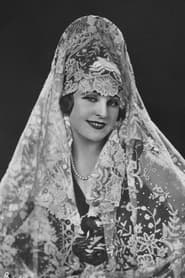
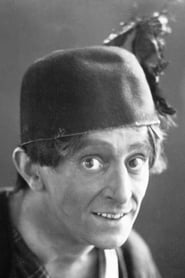
The production of 'The Hill Park Mystery' took place during a particularly creative period for Danish cinema, when Nordisk Film was competing with major studios across Europe. Director A.W. Sandberg was known for his meticulous attention to detail and often worked closely with his cinematographers to achieve specific visual effects. The film was likely shot on location at actual Danish resorts to add authenticity to the setting, as well as at Nordisk Film's extensive studio facilities in Valby, Copenhagen. The cast, particularly Olga Belajeff and Aage Bendixen, were established stars in Danish cinema, and their on-screen chemistry was a significant draw for audiences. The production would have utilized the latest camera and lighting technology available in 1923, including artificial lighting techniques that Danish cinematographers had pioneered. The film's mystery elements required careful planning of visual clues and red herrings, a specialty of Sandberg's directorial style.
What critics said
Reviews from 1923 weighed The Hill Park Mystery on pacing, performance, and novelty. Later criticism reads its emphasis on police, reporter, erik through modern standards of craft and representation.
Did you know?
- The film was part of a popular series of mystery films starring Aage Bendixen as the reporter Erik Brandt, a character that became a cultural icon in 1920s Denmark
- Director A.W. Sandberg was one of Denmark's most prolific and respected directors during the silent era, known for his technical innovation and storytelling skills
- The film was released during a period when Danish cinema was experiencing international recognition, particularly for its mystery and psychological thrillers
- Olga Belajeff was a Russian-born actress who found success in Danish cinema during the 1920s, often playing mysterious and alluring female characters
- The resort setting was likely filmed at one of Denmark's popular seaside resorts, which were fashionable vacation destinations for the Danish middle and upper classes in the 1920s
- The film's title in Danish was likely 'Bakkehusmysteriet' or a similar variation, though some sources may list it under different titles
- Nordisk Film, the production company, was founded in 1906 and is one of the world's oldest film studios still in operation
- The film was shot on 35mm film, the standard format for feature films of this period
- Danish silent films of this era were known for their sophisticated lighting techniques and atmospheric cinematography
- The film was likely tinted in various colors for different scenes, a common practice in Danish cinema of the 1920s to enhance mood and atmosphere
Visual style
The cinematography of The Hill Park Mystery would have employed the sophisticated techniques for which Danish cinema was known in the 1920s. This included the use of dramatic lighting to create atmosphere and suspense, particularly in the murder scenes and investigation sequences. The film likely utilized both location shooting at actual resorts and studio sets, requiring the cinematographer to balance natural and artificial lighting. Danish cinematographers of this era were pioneers in the use of artificial lighting techniques, and the film would have showcased these skills. The camera work would have included a mix of static shots and some movement, typical of the period, with careful composition to guide the audience's attention to important visual clues in the mystery. The film was probably tinted in different colors for various scenes - blue for night scenes, amber for daylight interiors - a common practice in Danish cinema to enhance mood and visual interest.
Innovations
The Hill Park Mystery showcased several technical achievements common to high-quality Danish productions of the 1920s. The film likely utilized Nordisk Film's advanced studio facilities, which included sophisticated lighting equipment and sound stages that allowed for greater control over the visual environment. Danish cinematographers were known for their innovative use of artificial lighting, and would have demonstrated those techniques in creating mood and atmosphere. The production might have employed special effects techniques for the murder sequences, though these would have been relatively simple by modern standards. The film's editing would have followed the continuity style that was becoming standard in the 1920s, with careful attention to maintaining narrative clarity while building suspense. The use of location shooting combined with studio work required technical expertise in matching lighting conditions between different shooting environments.
Music
As a silent film, The Hill Park Mystery would have been accompanied by live musical performance during its original theatrical run. The score would have been provided by a theater organist or small orchestra, using compiled music that matched the mood of each scene. Danish cinemas of the 1920s often had skilled musicians who could adapt popular classical pieces and create appropriate musical accompaniment for different film genres. For a mystery film like this, the music would have included suspenseful motifs during the murder scenes, romantic themes for scenes between the leads, and lighter music for the resort setting. Some theaters might have used cue sheets provided by the distributor, suggesting specific pieces of music for different scenes. The original musical accompaniment would have been an integral part of the viewing experience, heightening the emotional impact and helping to build suspense throughout the narrative.
Famous quotes
As a silent film, famous quotes would have appeared in intertitles rather than spoken dialogue. Unfortunately, specific intertitle text from has not been preserved in available sources.
Memorable scenes
- The opening sequence showing Erik Brandt's previous case-solving success, establishing his character as a brilliant investigator; The first murder at the resort, which shatters the peaceful vacation atmosphere; The tense investigation scenes where Brandt questions suspects while dealing with his attraction to the mysterious young woman; The climactic revelation of the killer's identity, likely set in a dramatic location at the resort; The final resolution where Brandt must choose between his professional duty and personal feelings
What audiences thought
The film was likely well-received by Danish audiences of the 1920s, who had a strong appetite for mystery and crime stories. The combination of suspense, romance, and the popular resort setting would have appealed to the growing middle-class cinema-going public. Aage Bendixen, as the reporter Erik Brandt, was probably a popular character with audiences, and the film's release would have been anticipated by his fans. The success of the film and its potential sequels would have demonstrated the audience's appetite for continuing stories featuring recurring characters. The resort setting would have been particularly relatable to Danish audiences of the period, many of whom would have been familiar with such vacation destinations.
Film connections
Influenced by
- Earlier Danish mystery films by directors like Benjamin Christensen
- German expressionist cinema's influence on visual style
- The popularity of mystery novels and detective fiction of the 1910s and 1920s
- American crime films of the early silent era
- The tradition of the gentleman detective in literature
This film influenced
- Later Danish mystery and crime films of the 1920s
- The development of the journalist-detective character in cinema
- Subsequent resort-set mystery films in European cinema
- Later works by A.W. Sandberg in the mystery genre
Film restoration
The preservation status of The Hill Park Mystery is uncertain, which is common for Danish silent films from this period. Many films from the 1920s have been lost due to the fragile nature of nitrate film stock and the lack of systematic preservation efforts in the early decades of cinema. However, the Danish Film Institute has made significant efforts to preserve and restore Denmark's cinematic heritage, so it's possible that copies or fragments of the film may exist in their archives or in other film archives around the world. Any surviving prints would likely be in need of restoration due to age and deterioration. The film's status as part of a popular series and being directed by the prominent A.W. Sandberg increases the likelihood that at least some elements of the film have survived.
Where to watch
- Due to its age and uncertain preservation status, The Hill Park Mystery is not currently available on commercial streaming platforms or home video formats. Potential viewing options would include: The Danish Film Institute's archive screenings or special events; Film archives or cinematheques that may have preserved copies; Silent film festivals that occasionally screen rare Danish films; Academic or research institutions with film studies programs. Any existing copies would likely require specialized projection equipment for proper viewing of the 35mm film format.