A.W. Sandberg
Actor & Director
Born: May 22, 1887 in Copenhagen, Denmark Died: March 13, 1938 Active: 1915-1923 Birth Name: Alfred Wilhelm Sandberg
Films
5 films
About A.W. Sandberg
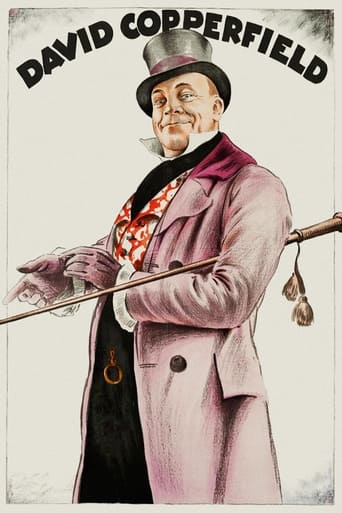
Alfred Wilhelm Sandberg — Danish film director who rose to prominence during the golden age of Danish silent cinema in the 1910s and early 1920s. He began his career as a journalist and theater critic before transitioning to filmmaking, where he quickly established himself as one of Denmark's most respected directors. Sandberg was particularly known for his literary adaptations, bringing classic works to the screen with remarkable visual sophistication and psychological depth. His 1922 adaptation of 'David Copperfield' was considered ambitious literary adaptations of its time, showcasing his ability to translate complex narratives to the silent medium. Throughout his career, he worked primarily for Nordisk Film, Denmark's oldest and most prestigious film studio, where he developed a distinctive visual style characterized by elaborate set designs and innovative camera techniques. Despite his relatively short active period in feature films, Sandberg's work influenced subsequent generations of Danish filmmakers and helped establish Denmark as a significant force in early European cinema. His career in film effectively ended by the mid-1920s as he transitioned back to other media pursuits, though his contributions to silent cinema remain historically significant.
The Craft
On Screen
While primarily known as a director, Sandberg occasionally appeared in his own films, including 'The Hill Park Mystery' (1923), where he demonstrated a naturalistic acting approach that aligned with the emerging realism in European cinema of the period.
Behind the Camera
Sandberg's directing style was characterized by meticulous attention to visual composition, elaborate set designs, and a focus on psychological depth. He pioneered techniques for conveying complex emotions and narrative subtleties without dialogue, using lighting, camera angles, and actor performance to create atmospheric and emotionally resonant films. His adaptations of literary works were particularly noted for their ability to capture the essence of the source material while making effective use of cinema's unique visual language.
Milestones
- Directed the ambitious literary adaptation 'David Copperfield' (1922)
- Pioneered psychological storytelling in Danish silent cinema
- Worked extensively with Nordisk Film studio
- Successfully transitioned from journalism to filmmaking
- Created visually sophisticated productions during the silent era
Best Known For
Iconic Roles
Must-See Films
Accolades
Special Recognition
- Recognized as a significant contributor to Danish silent cinema heritage
- Noted in Danish Film Institute archives as an important early director
Working Relationships
Worked Often With
Studios
Why They Matter
Impact on Culture
A.W. Sandberg played a significant role in establishing Denmark as a major force in early European cinema during the silent era. His literary adaptations, particularly 'David Copperfield,' demonstrated that complex literary works could be successfully translated to the silent medium, influencing how other filmmakers approached literary adaptations. His work helped establish the reputation of Nordisk Film as a producer of sophisticated, internationally significant films, and his visual techniques contributed to the development of cinematic language in the 1910s and 1920s.
Lasting Legacy
Sandberg's legacy lies primarily in his contributions to Danish silent cinema and his work in literary adaptation. His films are studied by film historians as examples of the sophistication achieved in European silent cinema, particularly in the Nordic countries. While his name may not be widely recognized today outside of film scholarship circles, his work represents an important chapter in the development of international cinema and the art of film adaptation.
Who They Inspired
Sandberg influenced subsequent Danish filmmakers through his demonstrated ability to create psychologically complex narratives using purely visual means. His approach to literary adaptation showed that silent films could handle sophisticated source material, paving the way for more ambitious adaptations in the late silent and early sound periods. His work at Nordisk Film contributed to the studio's reputation for quality productions that influenced the broader European film industry.
Off Screen
Sandberg maintained a relatively private personal life, though his background in journalism and literature influenced his filmmaking choices. He was part of Copenhagen's intellectual and artistic circles during the height of his career, which contributed to his sophisticated approach to literary adaptations. His transition away from filmmaking in the mid-1920s coincided with broader changes in the Danish film industry and the emergence of sound cinema.
Education
Educated in Copenhagen with background in journalism and literature, which provided the foundation for his later career in film adaptation and criticism.
Family
- Information not available in historical records
Did You Know?
- One of the few Danish directors of his era to successfully adapt major English literature to the silent screen
- His 1922 'David Copperfield' was among the earliest film adaptations of the Dickens classic
- Transitioned from journalism to filmmaking, bringing a literary sensibility to his films
- Worked during what is now considered the golden age of Danish silent cinema (1910s-1920s)
- His career effectively ended just as sound cinema was emerging in Europe
- Primarily associated with Nordisk Film, Denmark's oldest film studio founded in 1906
- His films showcased the high production values possible in Danish cinema during the silent era
- The exact reasons for his departure from filmmaking remain unclear to film historians
In Their Own Words
Information not available in historical records
Frequently Asked Questions
Who was A.W. Sandberg?
Danish on YTB.my. He was known for his sophisticated literary adaptations and psychological storytelling, particularly his 1922 version of 'David Copperfield.'
What films is A.W. Sandberg best known for?
Titles linked here include David Copperfield (1922), The Power of Love (1919).
When was A.W. Sandberg born and when did he die?
Born May 22, 1887; died March 13, 1938.
What awards did A.W. Sandberg win?
No specific awards or nominations for A.W. Sandberg have been documented in historical records. However, he is recognized by film historians and the Danish Film Institute as an important contributor to Danish silent cinema heritage.
What was A.W. Sandberg's directing style?
Sandberg's directing style was characterized by meticulous visual composition, elaborate set designs, and psychological depth. He excelled at conveying complex emotions and narratives without dialogue, using lighting, camera angles, and atmospheric techniques to create emotionally resonant films, particularly in his literary adaptations.