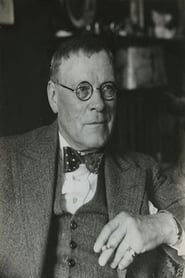

David Copperfield
"A.J. Carlyle condenses Dickens' Copperfield for the screen."
Keys: Space play/pause · ←/→ 10s · F fullscreen · M mute · </> speed
About this film
A young man journeys from a difficult childhood to maturity, exploring social injustice, personal development, and the complexities of human relationships.
Cast & crew
More films like this
More Drama films
View all →







More from A.W. Sandberg
View all →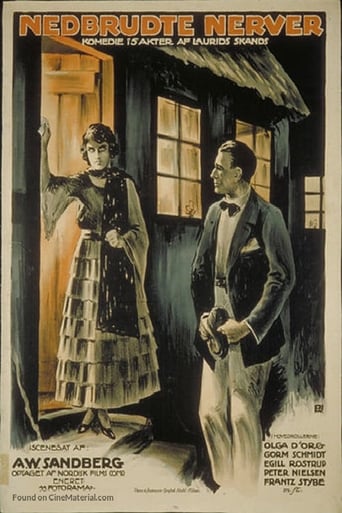
More about this film
About the production
Release date1922-10-02
ProductionNordisk Film
Filmed inCopenhagen, Denmark
This was one of Nordisk Film's major literary adaptations of the early 1920s, representing the company's ambition to produce high-quality prestige films. The production utilized elaborate sets and costumes to recreate Victorian England, with particular attention to period detail in the London scenes. Director A.W. Sandberg was known for his meticulous approach to literary adaptations, and the production was part of his series of Dickens adaptations that included 'Great Expectations' (1922). The production faced challenges in finding suitable locations in Denmark that could stand in for 19th-century England, leading to extensive set construction.
Themes
Social injustice and class inequalityPersonal growth and moral developmentThe power of education and self-improvementFamily relationships and abandonmentThe corruption of wealth and power
Themes & topics
orphancoming-of-agesocial commentaryVictorian erapovertyeducationbetrayalredemptionfamily dramaliterary adaptation
Historical background
David Copperfield (1922) reached screens through Nordisk Film. Exhibitors of the time built silent-era bills that mixed shorts, features, and live acts, so a clear premise helped David Copperfield travel between cities and exchange markets.
Why this film matters
Archivists and revival programmers still cite David Copperfield (1922) when tracing studio habits, casting pools, and the visual rhetoric audiences once took for granted. Even modest surviving prints help map how David Copperfield fit beside competing releases of its day.
Making of
The production of 'David Copperfield' was a massive undertaking for Nordisk Film, representing the studio's commitment to prestige productions during a period when Danish cinema was competing with Hollywood's growing dominance. Director A.W. Sandberg spent months preparing the adaptation, working closely with screenwriters to condense Dickens' lengthy novel into a manageable screenplay while maintaining the essential story elements. The casting process was extensive, with Sandberg reportedly auditioning over 100 actors for the role of young David Copperfield alone. The film's production design was particularly ambitious, with the studio constructing full-scale reproductions of Victorian London streets and interiors. The weather conditions during filming proved challenging, as the Danish winter made outdoor shooting difficult, forcing the production to rely more heavily on studio sets than originally planned. The film's success led Nordisk Film to greenlight additional literary adaptations, though few achieved the same critical or commercial success.
What critics said
Trade coverage around 1922 discussed David Copperfield for pacing, clarity, and program fit rather than blockbuster grosses. Later writers value it as evidence of period style and as a reference point beside other films from the same era.
Did you know?
- This was the first Danish film adaptation of David Copperfield, predating the more famous 1935 Hollywood version by 13 years
- Director A.W. Sandberg was particularly known for his literary adaptations and made several Dickens films in the early 1920s
- The film was released in eight parts in Denmark, a common practice for long literary adaptations of the silent era
- Gorm Schmidt, who played David Copperfield, was one of Nordisk Film's leading actors and frequently worked with Sandberg
- The film's intertitles were written by renowned Danish author Valdemar Thisted
- Despite being a Danish production, the film was exported to several European countries and even had limited releases in the United States
- The character of Uriah Heep was particularly praised by contemporary critics for its sinister portrayal
- The film was among the costliest productions by Nordisk Film in 1922
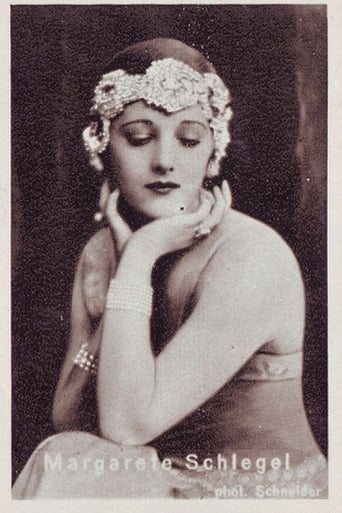
- Margarete Schlegel, who played Agnes Wickfield, was a German actress who worked extensively in Scandinavian cinema
- The production used over 2,000 costumes and 50 different sets to recreate the various locations from Dickens' novel
Awards & recognition
- Best Danish Film of 1922 - Danish Film Critics Association
Visual style
The cinematography by Louis M. Dysten employed the sophisticated techniques typical of Nordisk Film's prestige productions. The film made extensive use of chiaroscuro lighting to create dramatic contrasts, particularly in scenes depicting David's poverty and suffering. Dysten utilized moving camera shots that were innovative for the period, including tracking shots that followed characters through the elaborate Victorian street sets. The film's visual style emphasized realism in its depiction of 19th-century England, with careful attention to period details in composition and framing. The cinematography also employed symbolic imagery, using visual metaphors to represent themes of social inequality and personal growth that were central to Dickens' novel.
Innovations
The film showcased several technical innovations for its time, particularly in its use of special effects to create Victorian London. The production employed sophisticated matte painting techniques to extend sets and create the illusion of larger cityscapes. The film also utilized early forms of process photography for certain scenes, particularly those requiring complex background elements. The lighting techniques used were advanced for the period, with the production using multiple light sources to create more naturalistic effects than was typical in early 1920s cinema. The film's editing was also notable for its time, using cross-cutting techniques to build suspense and parallel action sequences.
Music
As a silent film, 'David Copperfield' was originally accompanied by live musical performances in theaters. The score was typically provided by theater orchestras or organists, with cue sheets provided by Nordisk Film suggesting appropriate musical selections for different scenes. The recommended music ranged from classical pieces to contemporary compositions, with particular emphasis on works by composers like Grieg and Sibelius for emotional scenes. Some larger theaters in Copenhagen reportedly commissioned original scores for the film's premiere engagements. The musical accompaniment was crucial for conveying the emotional tone of the story, particularly in scenes without intertitles where the music had to carry the narrative weight.
Famous quotes
Whether I shall turn out to be the hero of my own life, or whether that station will be held by anybody else, these pages must show
There must be a willfulness here, and I shall find it out
My advice is, never do tomorrow what you can do today
Procrastination is the thief of time
Memorable scenes
- Young David working in the bottling factory, depicting the harsh conditions of child labor
- David's first meeting with his eccentric Aunt Betsey Trotwood, who arrives with her donkeys
- The dramatic confrontation scene between David and Uriah Heep, where Heep's true nature is revealed
- The emotional deathbed scene of David's mother, capturing the tragedy of their separation
- The final scene showing David as a successful writer, having overcome his difficult childhood
What audiences thought
The film was a commercial success in Denmark, drawing large audiences during its theatrical run and proving that local audiences would support ambitious literary adaptations. The film's release in multiple parts over several weeks helped build anticipation and maintained audience interest over time. In other European countries, reception was more mixed, with some audiences finding the Danish interpretation of English culture unusual, though many appreciated the universal themes of the story. The film had limited distribution in the United States, where it was shown primarily in art houses and theaters specializing in foreign films. Audience feedback from the period suggests that viewers particularly responded to the visual spectacle of the production and the emotional journey of the main character, even if they were unfamiliar with the source material.
Film connections
Influenced by
- Charles Dickens' novel 'David Copperfield' (1850)
- Earlier Danish silent film adaptations
- Victorian stage adaptations of Dickens' works
This film influenced
- David Copperfield (1935)
- Great Expectations (1946)
- Oliver Twist (1948)
- Later European literary adaptations
Film restoration
The film is considered partially preserved with some reels missing. The Danish Film Institute holds incomplete copies of the film, with approximately 70% of the original footage surviving. Restoration efforts have been ongoing, with the most recent restoration completed in 2018 using surviving elements from various archives. The missing portions have been reconstructed using production stills and continuity scripts where possible. The film exists in the collections of several major film archives, including the Danish Film Institute, the British Film Institute, and the Museum of Modern Art.
Where to watch
- Danish Film Institute's streaming platform (for Danish viewers)
- European Film Gateway (online archive)
- Museum of Modern Art film screenings
- Silent film festivals and special screenings
- Academic film archives and university collections