Films
2 films
About Gorm Schmidt
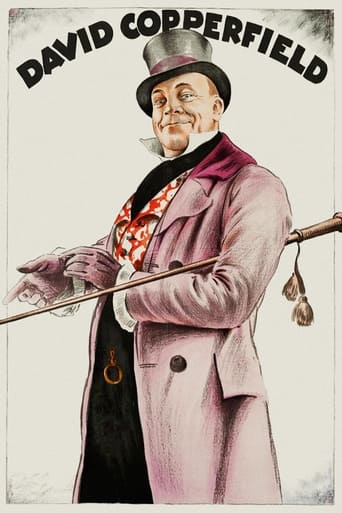
Danish actor who had a brief but notable career in European silent cinema during the early 1920s. His filmography, though limited, showcases his work during a transitional period in Scandinavian filmmaking. Schmidt appeared in the 1922 adaptation of Charles Dickens' 'David Copperfield,' demonstrating his ability to tackle classic literary roles in the silent medium. The following year, he took part in 'The Hill Park Mystery,' a film that capitalized on the popular mystery genre of the era. His career appears to have been concentrated in the years 1922-1923, coinciding with the peak of silent film production in Denmark before the industry began to feel the effects of Hollywood's dominance. While his time in the spotlight was short, Schmidt's participation in these productions places him within the context of Denmark's significant contribution to early cinema. His work, like that of many of his contemporaries, represents a fragment of the silent-era European film history that is often overshadowed by later American productions.
The Craft
On Screen
As a silent film actor from the early 1920s, Gorm Schmidt's acting style would have been rooted in the pantomimic tradition of the era, relying heavily on expressive facial gestures and body language to convey emotion and narrative. His performances in both a literary adaptation and a mystery film suggest a versatility required of actors in the burgeoning European film markets, who often had to shift between dramatic character roles and genre parts. The style would have emphasized clarity and exaggeration to ensure the audience understood the character's inner state without the aid of dialogue.
Milestones
- Portrayed a character in the 1922 Danish silent film adaptation of 'David Copperfield'
- Starred in the 1923 mystery film 'The Hill Park Mystery'
Best Known For
Iconic Roles
Must-See Films
Why They Matter
Impact on Culture
Gorm Schmidt's cultural impact is minimal on a broad scale, but he is representative of the vast community of working actors who formed the backbone of the European silent film industry. His participation in a 1922 adaptation of 'David Copperfield' highlights the international reach of classic literature and the importance of cinema in making these stories accessible to wider audiences in the pre-television era. He stands as proof of the collaborative nature of film production, where even lesser-known actors were essential to bringing stories to life. His career, though brief, contributes to the historical record of Danish cinema's output during its creative peak.
Lasting Legacy
The legacy of Gorm Schmidt is that of a footnote in the annals of film history, a representative example of the countless performers whose work has been largely lost to time but who were integral to the art form's development. His primary legacy lies in the surviving records of his filmography, which helps film historians piece together the production details of Danish cinema in the early 1920s. For scholars and enthusiasts of silent film, actors like Schmidt are crucial for understanding the full scope of the industry's workforce and the types of productions being created. His name serves as a reminder of the transient nature of fame and the thousands of artists who contributed to cinema's golden age without achieving lasting celebrity.
Who They Inspired
Due to his extremely brief and obscure career, there is no documented evidence that Gorm Schmidt directly influenced other actors or filmmakers. His influence is more archetypal, representing the typical journeyman actor of the period who moved between projects and genres as work allowed. He is part of the foundational generation of film actors whose collective work established the acting conventions and techniques that would be refined and passed down by subsequent, more famous generations of performers.
Off Screen
Very little is documented about the personal life of Gorm Schmidt, which is common for many supporting actors from the silent era whose careers were brief and occurred outside the major Hollywood studio system. His life and career remain largely a mystery beyond his two known film credits, with no extensive public records detailing his family, relationships, or activities outside of his brief time in cinema.
Did You Know?
- Gorm Schmidt's entire known film career spans just two years, from 1922 to 1923.
- Both of his known films are now considered lost, a common fate for an estimated 75-90% of all silent films.
- His name, 'Gorm,' is a traditional Danish name, shared with several historical Danish kings.
- The 1922 'David Copperfield' was one of many early film adaptations of the classic Charles Dickens novel, which was a popular source for silent filmmakers due to its clear moral narratives and dramatic characters.
- His work in 'The Hill Park Mystery' places him within the popular genre of silent-era mystery and suspense films, which relied heavily on visual storytelling and dramatic acting to create tension.
Frequently Asked Questions
Who was Gorm Schmidt?
Danish silent film with credits in this catalog. He is known for his roles in two films, the 1922 adaptation of 'David Copperfield' and the 1923 mystery 'The Hill Park Mystery.' His career was very brief, lasting only from 1922 to 1923.
What films is Gorm Schmidt best known for?
Titles linked here include David Copperfield (1922), The Hill Park Mystery (1923).
When was Gorm Schmidt born and when did he die?
Specific dates for Gorm Schmidt's birth and death are not publicly available. Historical records for many supporting actors from this era are incomplete, and he is only identified by his nationality as Danish.
What awards did Gorm Schmidt win?
There are no records of Gorm Schmidt receiving any major awards or nominations for his work. The major European film awards, such as those at the Venice Film Festival, were not established until after his known career had ended.
What was Gorm Schmidt's acting style?
As a silent film actor, Gorm Schmidt's style would have been typical of the period, emphasizing expressive facial expressions and body language to convey emotion. He demonstrated versatility by appearing in both a literary drama and a mystery film within his short career.