Films
3 films
About Margarete Schlegel
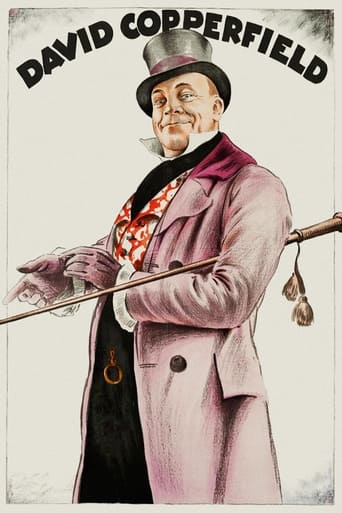
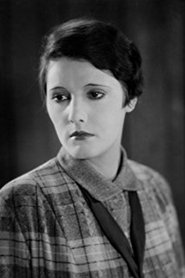
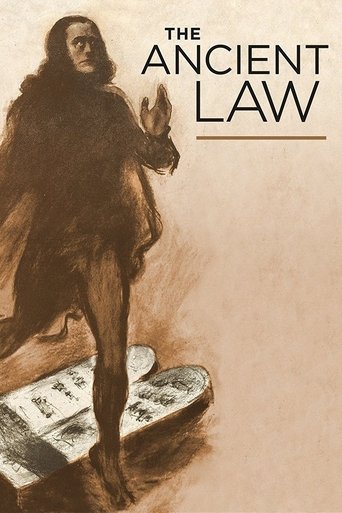
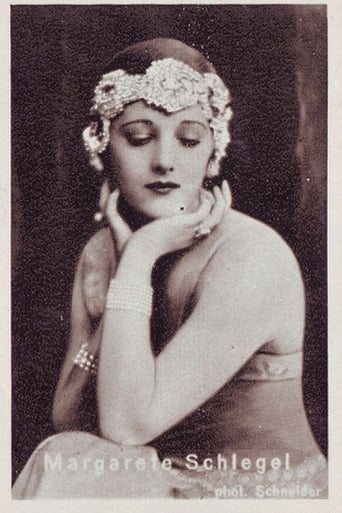
German actress who had a brief but notable career during the silent film era of the early 1920s. She emerged in German cinema during a golden period of artistic expression, appearing in significant productions that showcased the technical and narrative innovations of the time. Her most prominent roles came in 1922 and 1923, when she appeared in adaptations of classic literature and socially conscious dramas. Schlegel's performance in 'The Ancient Law' (Das alte Gesetz, 1923), directed by Ewald André Dupont, demonstrated her ability to convey complex emotions through the physical acting style required by silent cinema. She also appeared in 'David Copperfield' (1922), part of the wave of literary adaptations that characterized German film production of the era. Despite her talent and the quality of her films, Schlegel's career appears to have been exceptionally brief, spanning only these two documented years before disappearing from the historical record. Her work represents the contributions of countless supporting actors who helped build the foundation of cinema during its formative years.
The Craft
On Screen
As a silent film actress, Schlegel would have employed exaggerated physical gestures and facial expressions to convey emotion, typical of the pantomimic acting style required before synchronized sound. Her performances in literary adaptations suggest she had the ability to translate complex character psychology into visual form, a crucial skill for silent era performers.
Milestones
- Appeared in 'David Copperfield' (1922)
- Starred in 'The Ancient Law' (1923)
- Worked during the German silent film golden age
- Participated in significant literary adaptations
Best Known For
Iconic Roles
Must-See Films
Working Relationships
Worked Often With
Why They Matter
Impact on Culture
Margarete Schlegel's contribution to cinema, while brief, represents the collective work of countless actors who participated in the artistic flourishing of German silent film. Her appearance in 'The Ancient Law' places her within the context of socially conscious German cinema of the 1920s, which often addressed themes of tradition versus modernity and religious tolerance. The film itself is considered an important example of Weimar cinema's exploration of Jewish identity and assimilation in German society.
Lasting Legacy
As a minor figure from the silent era, Margarete Schlegel's legacy exists primarily through her surviving film work rather than through documented influence on other performers or continued recognition in film history. Her performances serve as historical artifacts that illuminate the acting styles and production values of early 1920s German cinema.
Who They Inspired
Given the brevity of her career and her status as a supporting actor, there is no documented evidence of Margarete Schlegel directly influencing other performers or filmmakers. Her influence is limited to her contributions to the specific films in which she appeared, which continue to be studied by film historians interested in German silent cinema.
Off Screen
Very little is documented about Margarete Schlegel's personal life, which is common for supporting actors from the silent era who were not major stars. Her brief career and subsequent disappearance from film records suggest she may have left the entertainment industry shortly after her initial appearances.
Did You Know?
- Appeared in only two known films during her entire career
- Both of her documented films were literary adaptations
- Worked during the peak period of German Expressionism in cinema
- Her active years covered just two years, making her one of cinema's briefest professional actors
- The Ancient Law (1923) was considered progressive for its sympathetic portrayal of Jewish characters
- Both films she appeared in are now considered important examples of Weimar cinema
- Like many silent era actors, she did not successfully transition to sound films
- Her exact birth and death dates remain unknown to film historians
Frequently Asked Questions
Who was Margarete Schlegel?
German actress who had a brief career in silent films during the early 1920s, appearing in only two documented films: 'David Copperfield' (1922) and 'The Ancient Law' (1923).
What films is Margarete Schlegel best known for?
Titles linked here include David Copperfield (1922), The Ancient Law (1923).
When was Margarete Schlegel active in films?
Margarete Schlegel's documented film career was extremely brief, spanning only from 1922 to 1923, after which she disappears from historical film records.
What was significant about The Ancient Law (1923)?
The Ancient Law was an important German silent film that sympathetically portrayed Jewish characters and addressed themes of assimilation and religious tolerance, considered progressive for its time in Weimar Germany.
Why is so little known about Margarete Schlegel?
Like many supporting actors from the silent era, Schlegel was not a major star and therefore received limited documentation in contemporary press or historical records. Her brief career and the passage of time have contributed to the scarcity of biographical information.