
Frederik Jacobsen
Actor
Born: September 12, 1876 in Copenhagen, Denmark Died: March 4, 1922 Active: 1911-1923
Films
11 films

About Frederik Jacobsen
Frederik Jacobsen worked on one surviving credit: Atlantis (1913). Jacobsen quickly became a recognizable character actor, working with some of the most important directors of the time, including August Blom on 'Atlantis' (1913) and Holger-Madsen on 'The End of the World' (1916). His filmography reflects the diversity of early Danish cinema, encompassing dramas, science fiction like 'A Trip to Mars' (1918), and social commentaries such as 'Peace on Earth' (1917). He often played authoritative figures, fathers, or antagonists, bringing a gravitas and theatrical presence honed from his stage years. Jacobsen's work in the 1910s placed him at the forefront of the 'Golden Age of Danish Film,' a period when Danish productions were internationally acclaimed for their technical and artistic sophistication. His career gradually wound down in the early 1920s as the industry evolved and new stars emerged, leaving a legacy of significant contributions to over two dozen silent films that are now considered classics of early world cinema.
The Craft
On Screen
Frederik Jacobsen's acting style was rooted in the 19th-century theatrical tradition, characterized by broad, expressive gestures and clear, emphatic facial expressions necessary for silent film communication. He possessed a commanding screen presence, often utilizing his stature and intense gaze to convey authority, menace, or paternal concern. While his technique may appear exaggerated by modern standards, it was highly effective for the medium of the time and allowed him to portray a wide range of characters, from benevolent fathers to stern villains, with clarity and emotional weight.
Milestones
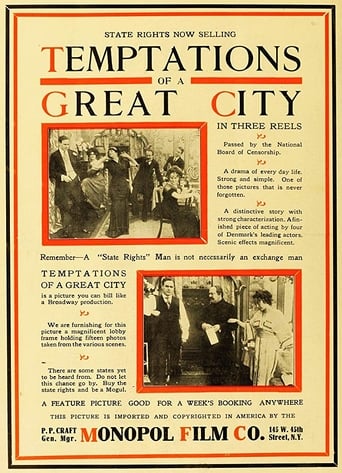
- Breakthrough role in 'Temptations of a Great City' (1911)
- Key supporting role in the internationally successful 'Atlantis' (1913)
- Portrayal of the Steward in the epic disaster film 'The End of the World' (1916)
- Performance in the influential sci-fi film 'A Trip to Mars' (1918)
- Prolific work during the Golden Age of Danish Cinema (1910s)
Best Known For
Iconic Roles
Must-See Films
Accolades
Special Recognition
- Recognized as a significant contributor to the Golden Age of Danish Cinema
Working Relationships
Worked Often With
Studios
Why They Matter
Impact on Culture
Integral part of the Danish silent film wave that swept across Europe and influenced global cinema in the 1910s. By appearing in numerous films produced by Nordisk Film, one of the world's first major film studios, he contributed to Denmark's reputation for high-quality, technically innovative productions. His roles in films like 'Atlantis' and 'A Trip to Mars' helped establish early genre archetypes in disaster and science fiction cinema, respectively. While not a leading man, his reliable and compelling performances as a character actor provided the necessary dramatic foundation upon which the stars of the era could shine, making him an indispensable part of the cinematic ecosystem of his time.
Lasting Legacy
Frederik Jacobsen's legacy is preserved in the surviving classics of Danish silent cinema, which continue to be studied and celebrated by film historians and enthusiasts. He represents the crucial cohort of working actors who, while not achieving international stardom, were essential to the success and artistic merit of early film. His body of work serves as a valuable record of acting techniques and storytelling from the silent era, offering insight into the transition from stage to screen. Jacobsen's contributions are proof of the collaborative nature of filmmaking, highlighting the importance of character actors in building the rich, believable worlds of classic cinema.
Who They Inspired
As a character actor, Frederik Jacobsen's influence would have been most directly felt by his contemporaries and the younger actors entering the Danish film industry in the 1910s and 1920s. His professional approach and consistent performances set a standard for supporting roles in film. While his name is not widely known today, his work in establishing character tropes and contributing to the success of influential early films has had a lasting, if indirect, impact on the development of cinematic acting and genre conventions.
Off Screen
Details about Frederik Jacobsen's personal life are scarce, as was common for many character actors of his era whose public personas were defined solely by their on-screen work. He lived and worked primarily in Copenhagen, the heart of the Danish film industry. His career was cut short by his untimely death in 1922, just as the film world was transitioning from silents to sound.
Did You Know?
- He was a prominent actor for Nordisk Film, which was.
- The film 'Atlantis' (1913), in which he appeared, was one of the first full-length feature films made in Denmark and achieved significant international success.
- 'A Trip to Mars' (1918), featuring Jacobsen, is considered one of the earliest full-length science fiction films and a precursor to the space opera genre.
- His career was almost exclusively in Danish productions, reflecting the strength and self-sufficiency of the national film industry during his active years.
- He died in 1922, just before the major technological shift to sound film that would revolutionize the industry and acting styles.
- Despite appearing in dozens of films, many of his works are now considered lost, a common fate for a large percentage of silent cinema.
- He worked alongside Asta Nielsen, one of the first international movie stars, though they rarely shared significant screen time.
- The Golden Age of Danish Cinema (1910-1920), the period of his greatest activity, saw Danish films dominate the European market.
Frequently Asked Questions
Who was Frederik Jacobsen?
Prolific Danish character with credits in this catalog. He was a key figure in the 'Golden Age of Danish Cinema,' appearing in numerous important productions for the Nordisk Film studio.
What films is Frederik Jacobsen best known for?
Titles linked here include Atlantis (1913), The End of the World (1916).
When was Frederik Jacobsen born and when did he die?
Born September 12, 1876; died March 4, 1922.
What awards did Frederik Jacobsen win?
There are no records of Frederik Jacobsen receiving any major formal awards. His recognition comes from his significant body of work and his role in the internationally acclaimed Danish film industry of the 1910s.
What was Frederik Jacobsen's acting style?
His acting style was typical of the silent era, drawing from a theatrical background with broad gestures and expressive facial features. He was known for his commanding presence, often playing authoritative or paternal figures with great clarity.
What was Frederik Jacobsen's connection to Nordisk Film?
Contract with credits in this catalog. His career is closely tied to the studio's output during its peak of international success.