Georg John
Actor
Born: July 23, 1879 in Schwiebus, Prussia, German Empire (now Świebodzin, Poland) Died: August 18, 1941 Active: 1917-1933 Birth Name: Georg Friedrich John
Films
7 films

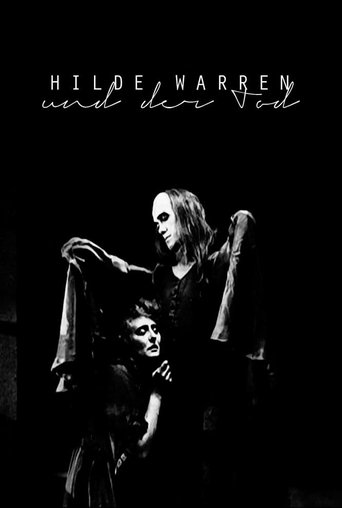

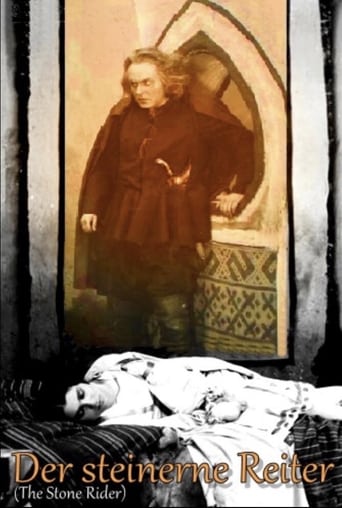
About Georg John
Prominent German character actor during the silent film era, particularly known for his work in German Expressionist cinema. With his distinctive gaunt appearance, intense eyes, and ability to portray both menacing and sympathetic characters, John became a familiar face in some of the most influential films of the 1920s. He began his film career after establishing himself in theater, bringing his dramatic training to the emerging medium of cinema. John worked extensively with directors including F.W. Murnau, Fritz Lang, and Paul Leni, becoming part of their regular ensemble of character actors. His performances in films like 'The Last Laugh' and 'Waxworks' showcased his remarkable ability to convey complex emotions without dialogue, relying on subtle facial expressions and body language. Despite his significant contributions to German cinema, John's career was cut short by the advent of sound films and the changing political landscape in Germany. He remained active in German cinema until his death in the early 1930s, leaving behind a legacy of memorable performances in some of cinema's most important early works.
The Craft
On Screen
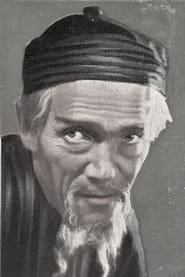
Georg John was known for his highly expressive and physically detailed acting style, characteristic of German Expressionist cinema. He possessed a remarkable ability to convey complex emotions through subtle facial movements and body language, making him particularly effective in silent films. John often played characters who were physically or psychologically marginalized, bringing a haunting authenticity to roles involving blindness, madness, or social alienation. His tall, gaunt frame and intense, penetrating eyes became his trademark, allowing him to create memorable impressions even in brief appearances. John's approach emphasized psychological realism within the stylized world of Expressionism, grounding the abstract visual style in human emotion and vulnerability.
Milestones
- Breakthrough role in 'Eerie Tales' (1919)
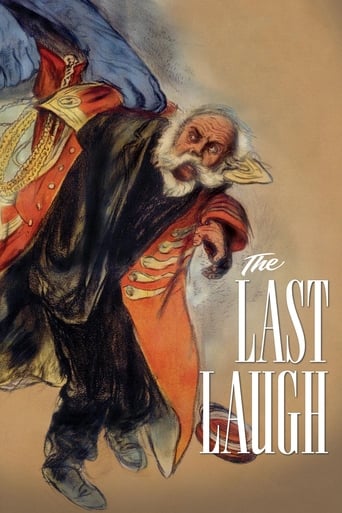
- Memorable performance as the blind man in 'The Last Laugh' (1924)
- Multiple collaborations with F.W. Murnau
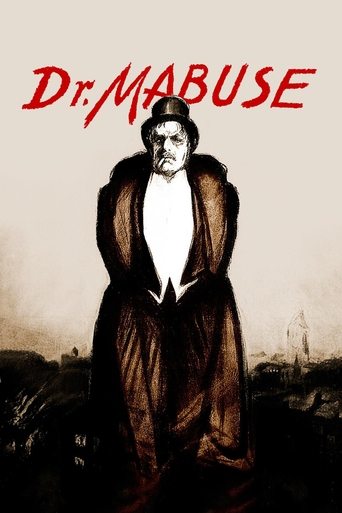
- Work in Fritz Lang's 'Dr. Mabuse, the Gambler' (1922)
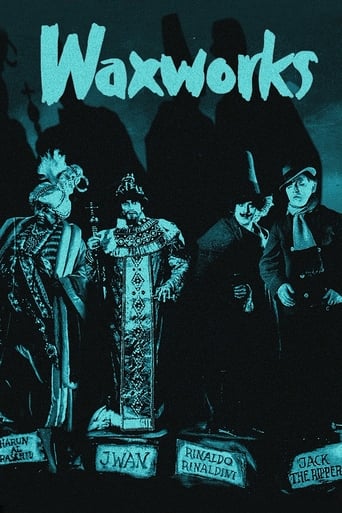
- Role in the anthology film 'Waxworks' (1924)
- Transition to supporting roles in early sound films
Best Known For
Iconic Roles
Must-See Films
Accolades
Special Recognition
- Recognized as a significant contributor to German Expressionist cinema
- Posthumously celebrated in film retrospectives on silent era cinema
Working Relationships
Worked Often With
Studios
Why They Matter
Impact on Culture
Georg John contributed significantly to the development of character acting in silent cinema, particularly within the German Expressionist movement. His ability to convey deep psychological states through physical performance helped establish the visual language of silent film acting that would influence cinema worldwide. John's work in films like 'The Last Laugh' demonstrated how supporting characters could provide crucial emotional anchors in narrative films, even without dialogue. His collaborations with major directors of the era resulted in some of the most visually and thematically ambitious films of the 1920s, cementing his place in cinema history as part of the creative revolution that defined early German cinema. The techniques John developed for expressing complex emotions without words remain relevant to actors working in visual storytelling mediums today.
Lasting Legacy
Georg John's legacy endures through his performances in some of the most celebrated films of the silent era, which continue to be studied by film scholars and enthusiasts. His work exemplifies the artistic achievements of German Expressionist cinema, particularly its innovative approach to visual storytelling and psychological drama. John's ability to create memorable characters with minimal screen time influenced generations of character actors who followed. Film historians recognize him as part of the golden generation of German actors who helped establish cinema as a serious art form. His performances survive as masterclasses in silent film acting, demonstrating the power of physical expression and emotional authenticity in visual storytelling. John's contributions to films like 'The Last Laugh' and 'Waxworks' ensure his continued recognition in the canon of classic cinema.
Who They Inspired
Georg John influenced subsequent generations of character actors through his highly physical and emotionally nuanced approach to performance. His work in German Expressionist cinema demonstrated how supporting characters could provide essential psychological depth and thematic resonance in film narratives. John's techniques for conveying complex emotional states through subtle physical movements and facial expressions became part of the foundational vocabulary of film acting. His collaborations with visionary directors helped establish new possibilities for visual storytelling that would influence cinema globally. Contemporary actors studying silent film performance often look to John's work as exemplary of how to create compelling characters without relying on dialogue. His impact can be seen in the work of later character actors who specialized in playing outsiders, misfits, and psychologically complex figures.
Off Screen
Georg John was married to actress Hanna Ralph, with whom he frequently appeared on screen. Their professional and personal partnership was one of the notable acting couples of German silent cinema. John was known as a dedicated theater actor before transitioning to films, maintaining his connection to stage performance throughout his film career. He was described by colleagues as intensely serious about his craft and deeply committed to the artistic potential of cinema as a medium. John's later years were marked by the challenges faced by many German artists during the rise of the Nazi regime, though he continued working in German film until his death.
Education
Trained at theater conservatories in Germany, formal dramatic education in late 19th century German theatrical tradition
Family
- Hanna Ralph (1918-1941)
Did You Know?
- Georg John was married to actress Hanna Ralph, one of Germany's leading female stars of the 1920s
- He stood over 6 feet tall with an unusually thin frame, making him visually distinctive even in ensemble scenes
- John began his career on stage at age 20, working in provincial theaters before moving to Berlin
- His performance as the blind man in 'The Last Laugh' was accomplished entirely through physical acting, as the film had no intertitles
- John worked with virtually every major German director of the silent era
- He appeared in over 80 films during his career, though many are now lost
- John was part of the regular ensemble of actors used by F.W. Murnau in his German productions
- His gaunt appearance and intense gaze made him particularly effective in horror and psychological thriller roles
- John continued acting in early sound films, though his thick accent limited his roles
- He died in Berlin in 1941, during the height of World War II
- Many of his films were preserved through the efforts of film archivists who recognized their historical importance
- John's performances were studied by acting schools in Germany as examples of silent film technique
In Their Own Words
(On silent film acting) 'The face must speak what the lips cannot say, for in cinema, the soul is revealed through the eyes, not the voice'
(On his distinctive appearance) 'My features are my tools, just as a painter uses his brush. I must shape them to serve the character's truth'
(On working with Murnau) 'To work with Murnau is to understand that cinema is poetry written with light and shadow'
Frequently Asked Questions
Who was Georg John?
German character with credits in this catalog. With his distinctive gaunt appearance and highly expressive acting style, he appeared in numerous classic films including 'The Last Laugh' and 'Waxworks' working with legendary directors like F.W. Murnau and Fritz Lang.
What films is Georg John best known for?
Titles linked here include The Last Laugh (1924), Waxworks (1924).
When was Georg John born and when did he die?
Born July 23, 1879; died August 18, 1941.
What awards did Georg John win?
Georg John did not receive major formal awards during his lifetime, as the award systems for cinema were not well-established during the peak of his career in the silent era. However, he is posthumously recognized as a significant contributor to German Expressionist cinema and his performances continue to be celebrated in film retrospectives and academic studies of silent film.
What was Georg John's acting style?
Georg John's acting style was characterized by highly expressive physical performance and intense emotional conveyance through facial expressions and body language. As a silent film actor, he mastered the art of communicating complex psychological states without dialogue, using his distinctive gaunt frame and penetrating eyes to create memorable characters. His approach combined the theatrical training of his era with the innovative visual demands of German Expressionist cinema.
Did Georg John work in sound films?
Yes, Georg John did transition to sound films in the early 1930s, appearing in several German talkies. However, his thick German accent and the changing nature of film roles during this period limited his opportunities compared to his prolific silent film career. He continued acting until his death in 1941, though he never achieved the same level of prominence in sound cinema as he had during the silent era.
Was Georg John married?
Yes, Georg John was married to actress Hanna Ralph, who was one of Germany's leading female stars during the 1920s. They married in 1918 and frequently appeared together in films, becoming one of the notable acting couples of German silent cinema. Their marriage lasted until John's death in 1941.