

Dr. Mabuse, the Gambler
"Dr. Mabuse manipulates markets, casinos, and souls in Weimar Berlin."
Keys: Space play/pause · ←/→ 10s · F fullscreen · M mute · </> speed
About this film
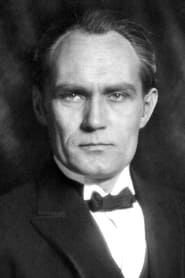
Berlin criminal mastermind Dr. Mabuse and his organization of criminals are in the process of completing their latest scheme, a theft of information that will allow Mabuse to make huge profits on the stock exchange. Afterwards, Mabuse disguises himself and attends the Folies Bergères show, where Cara Carozza, the main attraction of the show, passes him information on Mabuse's next intended victim, the young millionaire Edgar Hull. Mabuse then uses psychic manipulation to lure Hull into a card game where he loses heavily. When Police Commissioner von Wenk begins an investigation of this mysteri…
Cast & crew
More films like this
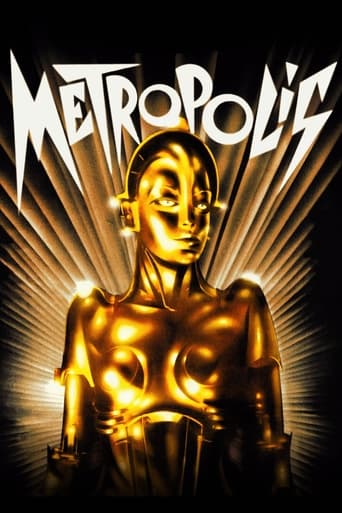
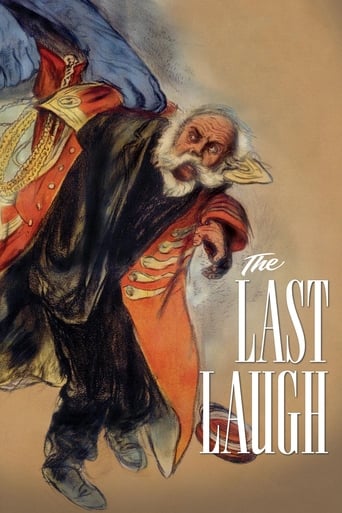
More Crime films
View all →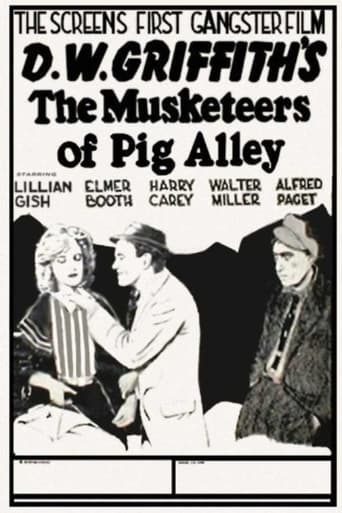
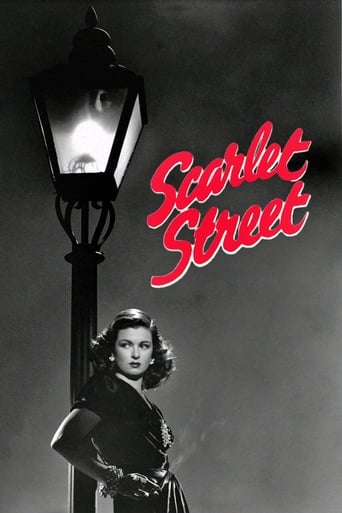


More from Fritz Lang
View all →

More about this film
About the production
Release dateApril 27, 1922 (Part 1), May 26, 1922 (Part 2)
BudgetExact budget figures are not documented, as was common for German films of the Weimar era, though it was considered a major production for its time
Box officeBox office records from 1922 Germany are incomplete, but the film was commercially successful and helped establish Fritz Lang as a major director
ProductionDecla-Bioscop AG
Filmed inBerlin, Germany, Tempelhof Studios, Berlin
The film was originally released in two parts due to its considerable length. Part 1 was titled 'Der große Spieler: Ein Bild der Zeit' (The Great Gambler: A Picture of the Time) and Part 2 was 'Inferno: Ein Spiel von Menschen unserer Zeit' (Inferno: A Play of People of Our Time). The production employed over 100 actors and featured elaborate sets designed by Hermann Warm, Robert Neppach, and Erich Kettelhut. The film's shooting schedule extended over several months in 1921-1922, requiring complex logistics for the numerous location and studio scenes depicting 1920s Berlin nightlife.
Themes
Psychological manipulation and controlThe nature of evil and criminalityModern urban alienationThe corruption of capitalismMass psychology and crowd mentality
Themes & topics
criminal mastermindhypnosisstock market manipulationpolice investigationdisguisepsychological thrillerorganized crimecard gamescounterfeitingmanipulationBerlin nightlifecat and mousecriminal empirepsychological warfare
Historical background
The 1922 premiere placed Dr. Mabuse, the Gambler alongside contemporaneous releases that were collectively teaching viewers how to read cinematic time and space.
Why this film matters
Archivists and festival programmers revisit Dr. Mabuse, the Gambler (1922) because it documents performance styles and craft choices that later mainstream releases refined or replaced.
Making of
The production of Dr. Mabuse, the Gambler was a massive undertaking for the German film industry of 1922. Fritz Lang and his wife Thea von Harbou co-wrote the screenplay, adapting Jacques's novel with significant additions to create a sprawling epic that captured the decadent atmosphere of Weimar Berlin. The casting of Rudolf Klein-Rogge as Mabuse proved pivotal, as his intense, theatrical performance established the template for cinematic supervillains. The film's production design was extraordinarily ambitious, featuring detailed recreations of Berlin's high society venues, underground gambling dens, and opulent interiors. Lang insisted on shooting many scenes on location in actual Berlin establishments to achieve authenticity, a practice that was relatively uncommon for large-scale productions of the era. The hypnotic sequences required innovative camera techniques and multiple exposures, pushing the technical boundaries of silent cinema. The production faced significant challenges due to post-war economic conditions in Germany, including shortages of film stock and resources, yet managed to create among the leading visually sophisticated films of its time.
What critics said
Trade papers near 1922 treated Dr. Mabuse, the Gambler as program material—noticed when exhibitors needed a reliable slot-filler, seldom debated as auteur cinema.
Did you know?
- The film was based on the novel 'Dr. Mabuse, der Spieler' by Luxembourgish writer Norbert Jacques, who created the character specifically for this adaptation
- Rudolf Klein-Rogge, who played Dr. Mabuse, was married to director Fritz Lang at the time of filming (they divorced in 1923)
- The film was originally over 5 hours long but was cut down for theatrical release
- This was the first of three films Fritz Lang would make about the Dr. Mabuse character, spanning four decades
- The character of Dr. Mabuse was partly inspired by real-life criminal masterminds and the atmosphere of post-WWI Germany
- The film's depiction of stock market manipulation was particularly relevant during the hyperinflation crisis in Germany
- Many of the extras in the casino and nightclub scenes were actual Berlin underworld figures
- The film's elaborate special effects, including superimpositions for hypnotic sequences, were considered groundbreaking for 1922
- The original negative was heavily damaged during WWII but was later restored using various international prints
- The character's name 'Mabuse' was derived from the painter Quentin Metsys, also known as Quentin Massys
Awards & recognition
- No major awards were documented for this film, as the German film award system was not yet established in 1922
Visual style
The cinematography of Dr. Mabuse, the Gambler, primarily by Carl Hoffmann and Fritz Arno Wagner, represents a pivotal moment in German visual storytelling. The film masterfully blends Expressionist lighting techniques with location photography, creating a distinctive visual language that bridges stylized studio work and documentary-like realism. The camera work employs innovative techniques including tracking shots, unusual angles, and sophisticated use of shadows to create psychological tension. The hypnotic sequences feature groundbreaking special effects using multiple exposures and superimposition to visualize Mabuse's mental control over his victims. The cinematography of the casino and nightclub scenes uses dynamic camera movement and elaborate lighting to capture the decadent atmosphere of 1920s Berlin. The visual contrast between Mabuse's shadowy underworld and the opulent world of his victims is achieved through careful lighting design and composition. The film's visual style influenced countless later noir and thriller films, establishing visual conventions for depicting criminal psychology and urban decay that would become genre staples.
Innovations
Dr. Mabuse, the Gambler featured numerous technical innovations that pushed the boundaries of early 1920s filmmaking. The film's special effects, particularly in the hypnotic sequences, used sophisticated multiple exposure techniques to create visual representations of psychological manipulation. The production employed elaborate camera movements including tracking shots and crane work that were technically advanced for the period. The film's lighting design combined Expressionist techniques with realistic location lighting, creating a distinctive visual aesthetic that influenced subsequent film noir. The use of actual Berlin locations alongside studio sets represented an innovative approach to production design. The film's editing, particularly in the cross-cutting between parallel action sequences, demonstrated sophisticated narrative techniques that helped maintain tension across its considerable running time. The makeup and disguise effects used for Mabuse's various transformations were particularly advanced, allowing Rudolf Klein-Rogge to convincingly portray multiple characters. The film's sound design, while limited by the technology of the era, used visual and rhythmic techniques to create auditory illusions through synchronized action.
Music
As a silent film, Dr. Mabuse, the Gambler would have been accompanied by live musical performances during its original theatrical run. The specific scores used in 1922 are not documented, as was typical for the period, with theaters often using stock music or improvisation. Modern restorations have been accompanied by newly composed scores, most notably a 2014 version by the German ensemble Alraune, which attempts to recreate the musical atmosphere of 1920s Berlin cabarets and classical concert halls. The original German release likely included popular songs of the era and classical pieces, particularly during the nightclub scenes at the Folies Bergères. Contemporary screenings often feature either improvised accompaniment or specially commissioned scores that blend jazz, classical, and experimental elements to match the film's psychological intensity. The absence of synchronized sound actually enhances the film's exploration of non-verbal communication and psychological manipulation, with Lang's visual storytelling doing the work that dialogue would later accomplish.
Famous quotes
While the film is silent and contains no spoken dialogue, intertitles include key lines such as: 'I am the state!' - Dr. Mabuse's declaration of power
'The human will is the weakest thing in the world' - Mabuse's philosophy of manipulation
'In this game, I am the bank' - Mabuse at the card table
'Your mind is my playground' - During hypnotic sequences
'Fear is the most powerful weapon' - Mabuse's method of control
Memorable scenes
- The opening sequence showing Mabuse's criminal network operating across Berlin
- The hypnotic card game where Mabuse psychologically destroys Edgar Hull
- The elaborate disguise sequence where Mabuse transforms into multiple characters
- The police raid on the underground casino, featuring dynamic camera work and chaos
- The final confrontation between Mabuse and Commissioner von Wenk in Mabuse's headquarters
- The Folies Bergères sequence capturing the decadent nightlife of 1920s Berlin
- The stock market manipulation scene showing Mabuse's financial crimes
- The psychological torture sequences demonstrating Mabuse's methods of control
What audiences thought
Audience reception in 1922 Germany was generally enthusiastic, with the film proving popular despite its considerable length. The two-part release strategy allowed audiences to experience the story in manageable segments, and both parts performed well at the box office. Contemporary audience reports suggest that viewers were particularly impressed by the film's depiction of Berlin's criminal underworld and its realistic portrayal of the city's nightlife. The hypnotic sequences and special effects generated significant buzz, with word-of-mouth helping to drive attendance. The character of Dr. Mabuse proved particularly compelling to audiences, becoming something of a cultural phenomenon in Germany. The film's success led to increased interest in psychological thrillers and helped establish the crime genre as commercially viable in German cinema. Modern audiences, particularly those interested in film history and silent cinema, continue to be drawn to the film's sophisticated narrative and visual style, with restored versions regularly screening at film festivals and cinematheques worldwide.
Film connections
Influenced by
- German Expressionist cinema
- The novels of Norbert Jacques
- The works of Edgar Allan Poe
- Contemporary German crime literature
- The social conditions of Weimar Germany
- Early psychological theories of Freud and Jung
- The tradition of the master criminal in literature
- Post-WWI German social commentary
This film influenced
- The Testament of Dr. Mabuse (1933)
- The 1000 Eyes of Dr. Mabuse (1960)
- M (1931)
- The Third Man (1949)
- The Big Sleep (1946)
- Batman: The Animated Series (1992-1995)
- The Silence of the Lambs (1991)
- Inception (2010)
- The Dark Knight (2008)
- Casino Royale (2006)
Film restoration
The film has been preserved and restored multiple times. The original German negative suffered significant damage during World War II, but various international prints and elements survived. A major restoration was undertaken by the Friedrich-Wilhelm-Murnau-Stiftung in the early 2000s, combining elements from German, American, and French sources to create the most complete version available. The restored version runs approximately 237 minutes and includes tinted sequences that replicate the original color schemes. The film is now preserved in several archives worldwide, including the Bundesarchiv-Filmarchiv in Berlin and the Museum of Modern Art in New York. Digital restorations have made the film accessible on Blu-ray and streaming platforms, ensuring its preservation for future generations.
Where to watch
- The Criterion Collection (Blu-ray/DVD)
- Kino Lorber (Blu-ray/DVD)
- The Criterion Channel (streaming)
- MUBI (streaming)
- Kanopy (streaming via libraries)
- Various public domain archives
- Film archives and cinematheques worldwide
- Specialized classic film streaming services