Bernhard Goetzke
Actor
Born: June 5, 1884 in Danzig, German Empire (now Gdańsk, Poland) Died: October 7, 1964 Active: 1917-1939
Films
7 films

About Bernhard Goetzke
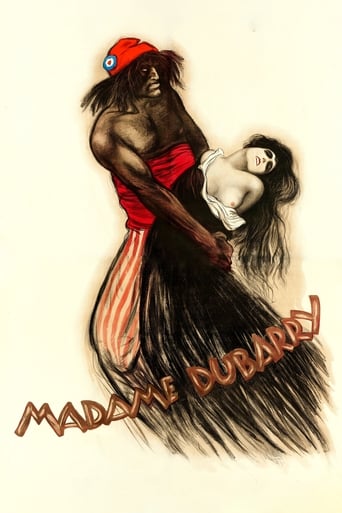
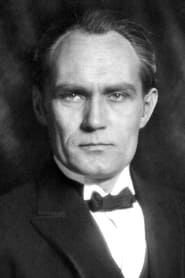
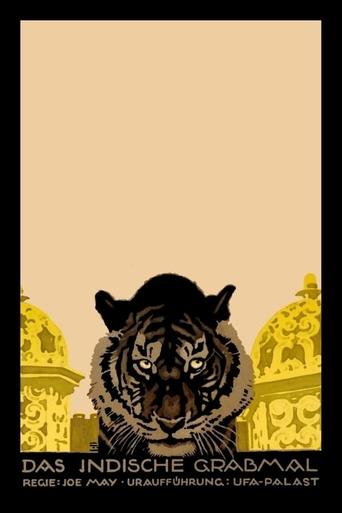
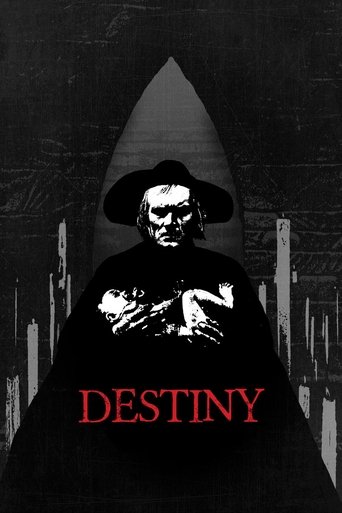
The 1919 film Madame DuBarry is the only title linked here for Bernhard Goetzke. Born in Danzig (now Gdańsk, Poland), he began his acting career on the stage before transitioning to film in the late 1910s. Goetzke gained prominence through his collaborations with directors Fritz Lang and Ernst Lubitsch, often portraying mysterious, authoritative, or villainous characters with remarkable depth. His breakthrough role came in Lubitsch's 'Madame DuBarry' (1919), followed by memorable performances in 'Destiny' (1921) where he played Death personified, a role that became his signature. Goetzke's career peaked during the early 1920s with appearances in major German productions including 'The Indian Tomb' (1921) and various other Expressionist masterpieces. His film career gradually declined in the mid-1920s as the German film industry evolved, though he continued acting in smaller roles through the 1930s. Goetzke's contributions to early German cinema remain significant, particularly his embodiment of the Expressionist aesthetic through his distinctive screen presence and dramatic intensity.
The Craft
On Screen
Goetzke was known for his intense, expressive acting style that perfectly embodied the German Expressionist movement. His performances featured dramatic gestures, penetrating gazes, and a commanding physical presence that made him ideal for mysterious and authoritative roles. He specialized in playing enigmatic characters, often villains or supernatural beings, using minimal makeup but maximum facial expression to convey complex emotions. His style emphasized psychological depth over romantic appeal, making him particularly effective in roles that required gravitas and menace.
Milestones
- Breakthrough role in 'Madame DuBarry' (1919)
- Iconic portrayal of Death in 'Destiny' (1921)
- Collaboration with Fritz Lang on multiple films
- Key role in 'The Indian Tomb' (1921)
- Transition from stage to successful film career
- Notable appearance in 'Eerie Tales' (1919)
Best Known For
Iconic Roles
Must-See Films
Accolades
Special Recognition
- Recognized as a significant figure in German Expressionist cinema
- Honored in film retrospectives of German silent cinema
Working Relationships
Worked Often With
Studios
Why They Matter
Impact on Culture
Bernhard Goetzke's impact on cinema lies primarily in his contribution to the German Expressionist movement,. His portrayal of Death in 'Destiny' became an iconic representation of mortality in cinema, influencing countless subsequent films and directors. Goetzke helped establish the visual and dramatic language of Expressionist cinema, which would later influence film noir and horror genres worldwide. His work demonstrated how actors could use physicality and facial expression to convey complex psychological states without dialogue, a technique that remains relevant in contemporary filmmaking. Through his collaborations with visionary directors, Goetzke participated in creating some of the most artistically significant films of the silent era.
Lasting Legacy
Bernhard Goetzke's legacy endures through his contributions to German Expressionist cinema and his memorable performances that continue to be studied by film scholars and enthusiasts. His portrayal of Death in Fritz Lang's 'Destiny' remains. Goetzke represents the transition from theatrical acting to cinematic performance, demonstrating how actors could adapt their craft for the new medium of film. His work serves as a benchmark for actors playing supernatural or allegorical characters, showing how such roles can be rendered with depth and humanity rather than mere caricature. Film historians continue to recognize Goetzke as an essential figure in understanding the evolution of screen acting and the artistic achievements of German cinema in the 1920s.
Who They Inspired
Goetzke influenced subsequent generations of character actors, particularly those specializing in mysterious or villainous roles. His technique of using minimal makeup but maximum psychological intensity inspired actors in film noir and horror genres. Directors studying Expressionist cinema often reference his performances as examples of how to convey complex emotions through subtle physical expression. His collaboration with Fritz Lang helped establish a template for director-actor partnerships that prioritized artistic vision over commercial appeal. Contemporary actors studying silent film techniques often analyze Goetzke's work to understand the foundations of screen performance before the advent of synchronized sound.
Off Screen
Bernhard Goetzke led a relatively private life away from the spotlight. He was married to actress Grete Reinwald, though details about their marriage and family life remain scarce. Unlike many of his contemporaries, Goetzke maintained a low public profile and focused primarily on his craft rather than celebrity status. His later years were spent in relative obscurity as the film industry transitioned to sound and his acting style became less fashionable. He passed away in Berlin at the age of 80, having witnessed the complete transformation of cinema from silent films to the modern era.
Education
Trained in classical theater and acting techniques, likely attended drama school in Germany during the early 1900s
Family
- Grete Reinwald (married, dates unknown)
Did You Know?
- Was often typecast as villains or mysterious figures due to his distinctive appearance and intense gaze
- His portrayal of Death in 'Destiny' (1921) required him to wear heavy makeup and elaborate costumes
- Worked with both Ernst Lubitsch and Fritz Lang, two of the most influential German directors of the era
- Began his career on the theatrical stage before transitioning to silent films
- His real name was also Bernhard Goetzke - he did not use a stage name
- Appeared in over 60 films during his career, though many are now lost
- Was part of the golden age of German cinema in the 1920s before the rise of Nazi influence
- His acting style was particularly suited to the Expressionist movement with its emphasis on psychological drama
- Continued acting in smaller roles through the 1930s as the film industry evolved
- His performance in 'Destiny' was particularly praised by critics for its subtlety despite the supernatural nature of the character
In Their Own Words
(On playing Death in 'Destiny') 'I tried to portray not the terrifying aspect of death, but its inevitable, almost gentle presence in human life.'
(On Expressionist acting) 'We must show the soul through the body, not hide behind words.'
(On working with Fritz Lang) 'Lang demanded truth in every gesture, even in the most fantastical situations.'
Frequently Asked Questions
Who was Bernhard Goetzke?
German with credits in this catalog. He frequently collaborated with legendary directors like Fritz Lang and Ernst Lubitsch, often portraying mysterious, authoritative, or supernatural characters with remarkable intensity and depth.
What films is Bernhard Goetzke best known for?
Titles linked here include Destiny (1921), Madame DuBarry (1919).
When was Bernhard Goetzke born and when did he die?
Born June 5, 1884; died October 7, 1964.
What was Bernhard Goetzke's acting style?
Goetzke was known for his intense, expressive acting style that perfectly embodied German Expressionism. He used dramatic gestures, penetrating gazes, and commanding physical presence to portray complex characters, often without relying on extensive makeup or dialogue.
Did Bernhard Goetzke win any major awards?
During his active period in the 1920s and 1930s, Goetzke did not receive major formal awards, as the award systems we know today were not yet established. However, he is recognized posthumously as a significant figure in German Expressionist cinema and is honored in film retrospectives.
What was Bernhard Goetzke's most famous role?
His most famous role was undoubtedly his portrayal of Death in Fritz Lang's 'Destiny' (1921). This performance became iconic in cinema history and is frequently cited as.
How did Bernhard Goetzke influence cinema?
Goetzke influenced cinema through his contributions to German Expressionism, helping establish visual and dramatic techniques that would later influence film noir and horror genres. His performances demonstrated how actors could convey complex psychological states through physical expression, a technique that remains relevant in contemporary filmmaking.