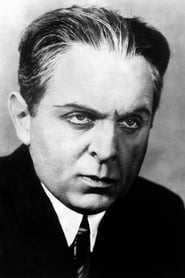
Rudolf Klein-Rogge
Actor
Born: November 24, 1885 in Cologne, Germany Died: May 29, 1955 Active: 1918-1955 Birth Name: Friedrich Rudolf Klein
Films
5 films
About Rudolf Klein-Rogge
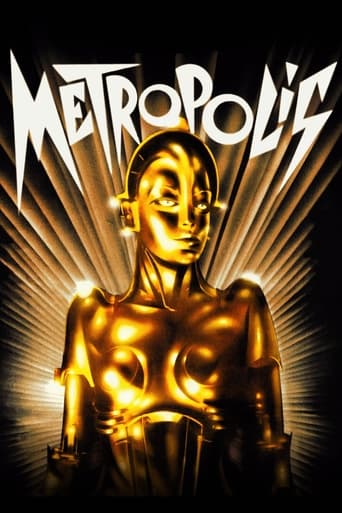
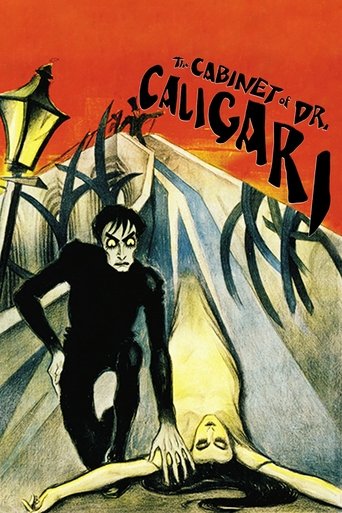
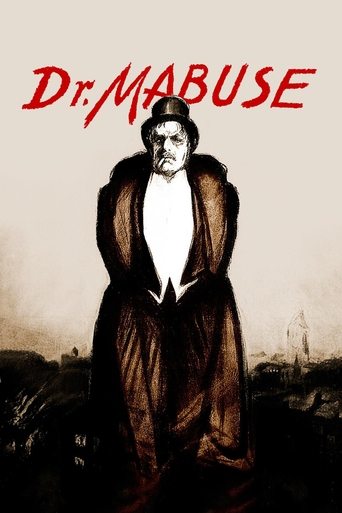
Prominent German actor during the silent film era, renowned for his distinctive villainous roles in German Expressionist cinema. With his piercing eyes, angular features, and intense theatrical presence, he became the face of cinematic menace in the 1920s. His breakthrough came with Robert Wiene's 'The Cabinet of Dr. Caligari' (1920), where his performance as Cesare the somnambulist showcased his ability to convey terror and menace through subtle movements and haunting expressions. His collaboration with director Fritz Lang produced some of cinema's most enduring villains, particularly his portrayal of the criminal mastermind Dr. Mabuse, a role he originated in 1922 and reprised in multiple films. Klein-Rogge reached the pinnacle of his career as Rotwang, the mad scientist in 'Metropolis' (1927), creating archetypes in science fiction cinema. His marriage to screenwriter Thea von Harbou connected him to the creative heart of German cinema, though their divorce when she left him for Fritz Lang created personal tensions. As sound films emerged, his distinctive appearance and silent-era acting style became less in demand, leading to a gradual decline in prominent roles. Despite this, his contributions to German Expressionism and his performances remain significant milestones in film history.
The Craft
On Screen
Klein-Rogge was master of the Expressionist acting style, characterized by heightened emotions, exaggerated gestures, and intense facial expressions that conveyed psychological states without dialogue. His performances featured a distinctive blend of intellectual menace and physical threat, using his angular features and piercing eyes to create unforgettable villainous presences. He employed subtle yet powerful movements, particularly his hands and body language, to suggest madness, obsession, or evil intentions. His theatrical background allowed him to project emotions across the distance of the cinema screen, making even small gestures meaningful. Unlike many silent actors who relied on broad pantomime, Klein-Rogge developed a more nuanced approach that suggested the inner psychology of his characters through controlled intensity rather than mere exaggeration.
Milestones
- Breakthrough performance in 'The Cabinet of Dr. Caligari' (1920)
- Creation of the iconic Dr. Mabuse character in Lang's trilogy
- Landmark role as Rotwang in 'Metropolis' (1927)
- work in establishing visual language of German Expressionist cinema
- Collaboration with director Fritz Lang on multiple classic films
Best Known For
Iconic Roles
Must-See Films
Accolades
Special Recognition
- Recognized as one of the iconic faces of German Expressionist cinema
- His performances studied as definitive examples of silent film villainy
- Inducted into the canon of classic film actors through preservation of his major works
Working Relationships
Worked Often With
Studios
Why They Matter
Impact on Culture
Rudolf Klein-Rogge's performances fundamentally shaped the visual and emotional vocabulary of German Expressionist cinema, which in turn influenced film noir, horror, and psychological thrillers for decades to come. His portrayal of Dr. Mabuse established the archetype of the criminal mastermind that would appear in countless films and television shows. As Rotwang in 'Metropolis,' he created the definitive cinematic mad scientist, influencing everything from James Bond villains to characters in modern science fiction. His distinctive appearance, particularly his intense gaze and angular features, became synonymous with cinematic villainy. The characters he embodied have transcended their original contexts, with Dr. Mabuse being revived in German cinema as recently as 2013. His work contributed to some of the most visually innovative films of the 1920s, which continue to be studied by filmmakers and scholars for their groundbreaking techniques and enduring influence on visual storytelling.
Lasting Legacy
Klein-Rogge's legacy endures through his unforgettable performances in some of the most influential films of the silent era. His face, particularly as Rotwang in 'Metropolis,' has become one of cinema's most iconic images, recognized even by those unfamiliar with his name. Film historians consider him instrumental in establishing the visual language of villainy in cinema, with his performances serving as masterclasses in silent film acting. The Dr. Mabuse character he created has achieved cultural immortality, being revived in numerous German productions spanning nearly a century. His collaborations with Fritz Lang resulted in films that continue to influence directors across multiple genres. While his personal star faded with the advent of sound cinema, his artistic contributions have only grown in stature, with his performances being preserved, restored, and analyzed by new generations of film enthusiasts and scholars. He represents the pinnacle of German Expressionist acting and remains a touchstone for understanding how visual performance can convey complex psychological states without dialogue.
Who They Inspired
Klein-Rogge's approach to villainous performance influenced how antagonists were portrayed in cinema for decades, particularly in terms of visual design and psychological complexity. His portrayal of Dr. Mabuse directly inspired later criminal mastermind characters, from James Bond villains to comic book antagonists. The mad scientist archetype he perfected as Rotwang in 'Metropolis' became a template that influenced countless science fiction films, from 'Frankenstein' to modern blockbusters. Directors studying German Expressionism regularly analyze his techniques for conveying emotion and character through visual means alone. His work demonstrated how an actor's physical presence and facial expressions could create lasting impact without dialogue, a lesson that has influenced performers in visual mediums from film to television to video games. Contemporary actors playing period villains or stylized antagonists often draw inspiration from his intense, theatrical approach to evil characters. His influence extends beyond acting to the broader visual language of cinema, particularly in how lighting, makeup, and performance can combine to create unforgettable character archetypes.
Off Screen
Klein-Rogge's personal life was marked by his significant marriage to Thea von Harbou, one of Germany's most prominent screenwriters during the Weimar era. Their marriage from 1914 to 1921 connected him to the creative center of German cinema, as von Harbou wrote many of the scripts for films in which he appeared. The couple's divorce was particularly notable as von Harbou left him for director Fritz Lang, creating a complex personal triangle that nonetheless continued professionally for several years. Unlike many of his contemporaries, Klein-Rogge did not flee Germany during the Nazi rise to power, though his career was already in decline by that time. His later years were marked by financial difficulties and relative obscurity, a stark contrast to his prominence during the golden age of German cinema. He spent his final years in Wüstegiersdorf, Silesia (now Poland), largely forgotten by the film industry he had helped define.
Education
Studied art history in Munich before turning to acting; also attended acting school in Berlin
Family
- Thea von Harbou (1914-1921)
- Mary Johnson (1925-1930)
- Margarete Jänicke (1932-1955)
Did You Know?
- His distinctive scar on his right cheek was real, not makeup for his film roles
- He was originally trained as an art historian before discovering his passion for acting
- His role as Rotwang in 'Metropolis' featured cinema's first portrayal of a mad scientist creating artificial life
- He appeared in all three of Fritz Lang's Dr. Mabuse films spanning from 1922 to 1933
- His piercing gaze was so intense that it became his trademark and was frequently imitated by other actors
- He was married to Thea von Harbou, who wrote many of the scripts for his most famous films
- Despite being German, he spoke multiple languages which helped him in international co-productions
- His performance in 'The Cabinet of Dr. Caligari' was initially without on-screen billing in some releases
- He continued acting through the Nazi era but in increasingly minor roles
- After his film career declined, he returned to theater work for several years
- His character Rotwang's mechanical hand in 'Metropolis' influenced countless later cyborg and robot characters
- The Dr. Mabuse character he created has been played by at least six other actors in subsequent films
In Their Own Words
As a silent film actor, Klein-Rogge's 'quotes' were visual rather than verbal - his intense gaze in 'Metropolis' spoke volumes without words
His performances created what critics called 'a poetry of menace' through expression rather than dialogue
Film historians have noted that his face 'could convey volumes of villainy with just the slightest movement of an eyebrow'
Frequently Asked Questions
Who was Rudolf Klein-Rogge?
German actor best known for his villainous roles in German Expressionist films of the 1920s, particularly his collaborations with on YTB.my. He became famous for playing characters like Dr. Mabuse and Rotwang in 'Metropolis,' creating archetypes of cinematic villainy that influenced generations of filmmakers.
What films is Rudolf Klein-Rogge best known for?
Titles linked here include The Cabinet of Dr. Caligari (1920), Dr. Mabuse, the Gambler (1922).
When was Rudolf Klein-Rogge born and when did he die?
Born November 24, 1885; died May 29, 1955.
What awards did Rudolf Klein-Rogge win?
Klein-Rogge did not receive major formal awards during his career, as this was early in cinema history before established award systems. However, his work has been posthumously recognized through film preservation efforts and his inclusion in the canon of classic cinema as one of the definitive actors of the German Expressionist movement.
What was Rudolf Klein-Rogge's acting style?
Klein-Rogge's acting style was quintessentially Expressionist, characterized by intense emotions, exaggerated gestures, and powerful facial expressions that conveyed psychological states without dialogue. He used his distinctive appearance, particularly his piercing eyes and angular features, to create memorable villainous characters through controlled intensity rather than mere exaggeration.
How did Rudolf Klein-Rogge influence cinema?
Klein-Rogge influenced cinema by creating enduring archetypes of villainy, particularly the criminal mastermind and mad scientist characters. His visual approach to performance shaped how antagonists were portrayed in film, and his work in German Expressionist cinema influenced film noir, horror, and science fiction for decades.
What was Klein-Rogge's relationship with Fritz Lang?
Klein-Rogge had a significant professional collaboration with director Fritz Lang, appearing in multiple films including the Dr. Mabuse trilogy and 'Metropolis.' Their personal relationship was complicated by the fact that Lang married Klein-Rogge's ex-wife Thea von Harbou, but they continued working together successfully for several years.
Why did Rudolf Klein-Rogge's career decline?
Klein-Rogge's career declined with the transition to sound films in the late 1920s and early 1930s. His distinctive Expressionist acting style and appearance, perfectly suited to silent cinema, became less in demand in the new era of sound films. Additionally, the changing political landscape in Germany and his advancing age contributed to his decreasing prominence in the film industry.