Four Around the Woman
"Caught between trade and harry"
Keys: Space play/pause · ←/→ 10s · F fullscreen · M mute · </> speed
About this film
Harry Yquem buys his beloved wife some jewelry in a place where underworld middlemen trade in fake and stolen goods. By chance, he spots a man with whom his wife had an affair in the past.
Cast & crew
More films like this
More Drama films
View all →







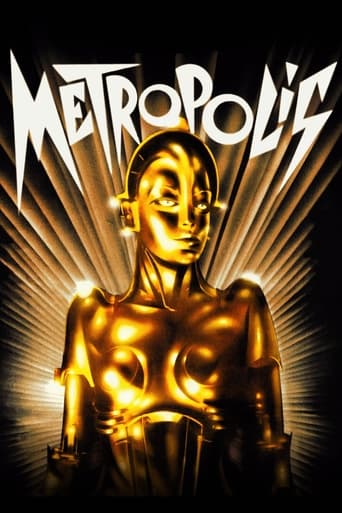
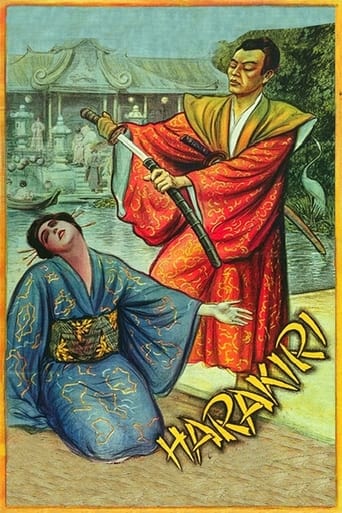
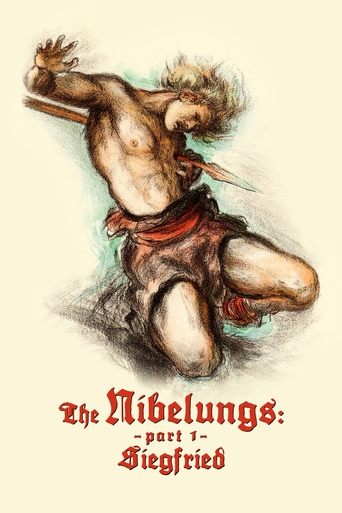
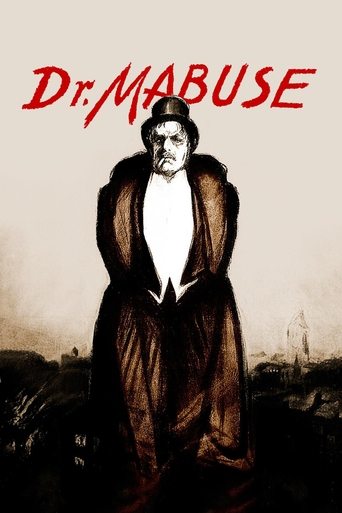
More from Fritz Lang
View all →
More about this film
About the production
Release date1921
Box officeUnknown - box office records from 1921 Germany are not reliably preserved
ProductionDecla-Bioscop AG
Filmed inBerlin, Germany
This was one of Fritz Lang's early directorial efforts during his formative years in German cinema. The film was produced during the height of the German Expressionist movement, though it exhibits more realist tendencies than Lang's more famous expressionist works. The production faced typical challenges of the early 1920s German film industry, including post-war economic difficulties and limited technical resources. The film was shot on location and in studio sets in Berlin, utilizing the emerging film infrastructure that would later become central to Weimar cinema.
Themes
Jealousy and suspicionBetrayal and infidelityMoral ambiguityPsychological manipulationThe destructive nature of secrets
Themes & topics
adulteryjealousyrevengebetrayalpsychological dramaurban settingmarriagesecretsconfrontationmoral dilemma
Historical background
Made in 1921, Four Around the Woman reflects production norms of late silent cinema and the transition toward sound—shorter runtimes, regional audiences, and limited preservation infrastructure.
Why this film matters
Historians reference Four Around the Woman (1921) when discussing 1921 film by Fritz Lang.
Making of
The production of 'Four Around the Woman' took place during a pivotal moment in German cinema history, when the industry was recovering from World War I and establishing itself as a major cultural force. Fritz Lang, still a relatively young director, was developing his distinctive visual style and thematic preoccupations. The film was made at the Decla-Bioscop studios in Berlin, where Lang had access to increasingly sophisticated production facilities. The casting process involved selecting actors who could convey complex emotions through silent performance, a particular challenge for the film's psychological themes. The production team faced the typical constraints of early 1920s filmmaking, including the need for natural lighting in many scenes and the technical limitations of camera equipment of the era. Despite these challenges, Lang was already demonstrating his meticulous attention to visual composition and his ability to create tense, atmospheric scenes that would become his trademark.
What critics said
Retrospective notes on Four Around the Woman emphasize its value as a transitional sound-era artifact rather than blockbuster reception.
Did you know?
- This film is considered one of Fritz Lang's 'lost' or partially lost works, with only fragments surviving in various archives
- The original German title was 'Vier um die Frau', which directly translates to 'Four Around the Woman'
- This was Lang's sixth film as a director, made during his early period before his breakthrough with 'Dr. Mabuse' (1922)
- The film features early cinematography work by Carl Hoffmann, who would later work on Lang's famous 'Metropolis' (1927)
- Unlike many of Lang's later films, this movie was not based on a literary adaptation but was an original screenplay
- The film was produced by Decla-Bioscop, one of the major German film companies that later merged to form UFA
- This film showcases Lang's early experimentation with psychological themes that would become hallmarks of his later work
- The surviving footage shows Lang's developing visual style, including his use of shadows and dramatic lighting
- The film was made during the politically unstable Weimar Republic period, which influenced its themes of moral ambiguity
- Some film historians consider this work a precursor to Lang's later exploration of jealousy and obsession in films like 'The Big Heat'
Visual style
The cinematography, handled by Carl Hoffmann, demonstrates the emerging visual sophistication of German cinema in the early 1920s. While not as overtly expressionist as some contemporary German films, the photography shows careful attention to lighting and composition that creates psychological tension. Hoffmann employs chiaroscuro effects and dramatic shadows to enhance the film's mood of suspicion and moral ambiguity. The camera work includes relatively mobile shots for the period, with some tracking movements that add dynamism to key scenes. The use of actual Berlin locations alongside studio sets creates a realistic urban environment that grounds the psychological drama. The surviving footage shows Hoffmann's skill in using visual elements to convey character emotions and narrative tension without relying on intertitles.
Innovations
While 'Four Around the Woman' does not showcase the revolutionary technical innovations of some of Lang's later works, it demonstrates solid technical craftsmanship typical of quality German productions of the early 1920s. The film makes effective use of location shooting in Berlin, which was becoming increasingly common but still required considerable logistical planning. The lighting techniques show sophistication in creating mood and psychological atmosphere, moving beyond the simple illumination of earlier films. The editing demonstrates growing understanding of rhythm and pacing in building dramatic tension. The production design effectively blends realistic urban settings with stylized interior spaces, creating a visual world that supports the film's psychological themes. While not groundbreaking technically, the film represents the solid professional standards and growing artistic ambition of the German film industry during this period.
Music
As a silent film, 'Four Around the Woman' would have been accompanied by live musical performance during its original theatrical run. The specific musical scores used in 1921 are not documented, which was typical for German films of this period. Theaters would have either used compiled scores from existing classical pieces or employed house composers to create original music. The mood of the film, with its themes of jealousy and psychological tension, would have called for dramatic, romantic, and suspenseful musical accompaniment. Modern screenings of the surviving fragments typically feature newly composed scores or carefully selected classical music that reflects the film's emotional tone and the period in which it was made.
Famous quotes
No dialogue survives from this silent film
Memorable scenes
- The chance encounter in the marketplace where Harry spots his wife's former lover, a pivotal moment that triggers the film's central conflict and demonstrates Lang's ability to create tension through visual storytelling and character reactions.
What audiences thought
Audience reception in 1921 is not well documented, as detailed box office records and audience surveys from this period are scarce. However, the film was likely received as a sophisticated adult drama by German audiences accustomed to the high quality of domestic productions during this golden age of German cinema. The themes of marital discord and jealousy would have resonated with contemporary audiences dealing with the social upheavals of the post-war period. Modern audiences who have had the opportunity to see the surviving fragments often appreciate the film's psychological depth and Lang's emerging directorial style, though the incomplete nature of the film makes full appreciation difficult. The film remains primarily of interest to film scholars, Lang enthusiasts, and those interested in the history of German silent cinema.
Film connections
Influenced by
- German literary naturalism
- Early psychological drama traditions
- Urban realist literature
- Contemporary German theater
- Earlier German melodramas
This film influenced
- Lang's later psychological dramas
- German urban dramas of the 1920s
- Early film noir prototypes
- Psychological thrillers of the silent era
Film restoration
The film is considered partially lost, with only fragments surviving in various film archives. Some complete reels are held at the Friedrich Wilhelm Murnau Foundation in Germany and other international film archives. The surviving footage amounts to approximately 30-40% of the original film, making complete viewing impossible. The fragments have been preserved and occasionally screened at film festivals and in cinema history retrospectives. Efforts continue to locate and preserve any additional footage that might exist in private collections or overlooked archives.
Where to watch
- Due to its partially lost status, the film is not commercially available. Surviving fragments can occasionally be viewed at specialized film archives, cinematheques, or during rare film festival screenings. Some fragments may be accessible through academic film databases or museum collections specializing in German cinema history.