
Films
2 films
About Harry Frank
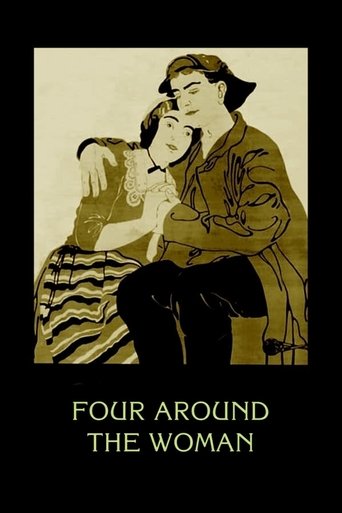
German actor from the silent film era: known filmography consists of a single appearance in Fritz Lang's 1921 melodrama 'Vier um die Frau' (Four Around the Woman). As a minor character actor during the early years of German cinema, Frank was part of the vibrant film industry that emerged in Weimar Germany following World War I. His appearance in a Fritz Lang film places him within the circle of actors working with one of cinema's most influential directors during his formative years. Like many supporting actors of the silent era, Frank's career appears to have been brief and undocumented beyond this single credit. The lack of extensive records about his life and career is typical of many character actors from this period who worked in the rapidly expanding but often poorly documented German film industry of the early 1920s.
The Craft
Milestones
- Appeared in Fritz Lang's 'Vier um die Frau' (1921)
Best Known For
Must-See Films
Working Relationships
Worked Often With
Why They Matter
Impact on Culture
Harry Frank's contribution to cinema history, while minimal, represents the vast network of supporting actors who formed the backbone of early German cinema. His appearance in a Fritz Lang film places him within the context of one of cinema's most important directorial careers during its early phase. Like many character actors of his era, Frank's work, though undocumented in detail, was part of the collaborative effort that created the foundation for German Expressionist cinema and influenced film history globally.
Lasting Legacy
Harry Frank's legacy is primarily that of a representative example of the countless anonymous actors who populated early German films. His single known appearance in a Fritz Lang film serves as a reminder of the many uncredited or poorly documented performers who contributed to cinema's development during its formative years. While his individual impact may be negligible, his participation in early German cinema represents the collective effort of thousands of performers who helped establish film as an art form.
Who They Inspired
Given the brevity of his known career and lack of documentation, Harry Frank's influence on other actors or directors cannot be determined. He appears to have been a journeyman actor typical of the period, whose work served the immediate needs of film production without leaving a documented influence on subsequent generations of performers.
Off Screen
Very little is documented about Harry Frank's personal life, which is typical for many supporting actors from the German silent film era whose careers were brief and records were not comprehensively maintained.
Did You Know?
- Harry Frank's entire known filmography consists of just one film from 1921
- He worked with director Fritz Lang during Lang's early career phase
- His film 'Vier um die Frau' was one of Lang's early works before his famous Expressionist masterpieces
- Like many German actors from this period, his biographical details remain largely undocumented
- The film he appeared in was a melodrama that explored themes of relationships and mistaken identities
- His career coincided with the golden age of German silent cinema
- No photographs or extensive film records of his performances appear to have survived
Frequently Asked Questions
Who was Harry Frank?
German with credits in this catalog. His career appears to have been extremely brief, with this being his only documented film credit.
What films is Harry Frank best known for?
Titles linked here include Vier um die Frau (1921).
When was Harry Frank born and when did he die?
Unfortunately, specific birth and death dates for Harry Frank are not documented in available historical records, which is common for many supporting actors from the silent era whose biographical information was not preserved.
What awards did Harry Frank win?
There are no records of Harry Frank receiving any awards or nominations for his work in film. Given his brief and undocumented career, formal recognition of his contributions to cinema does not appear to have occurred.
What was Harry Frank's acting style?
Due to the lack of surviving footage and documentation of Harry Frank's performances, his specific acting style cannot be determined. Like many actors from the early German silent period, he likely employed the exaggerated gestures and facial expressions typical of silent film acting.
Did Harry Frank work with any famous directors?
Yes, Harry Frank worked with Fritz Lang, one of cinema's most influential directors, in the 1921 film 'Vier um die Frau'. This places Frank within the early circle of actors who collaborated with Lang before he achieved international fame with films like 'Metropolis' and 'M'.