Gottfried Huppertz
Actor
Born: March 11, 1887 in Cologne, Germany Died: February 7, 1937 Active: 1910s-1937
Films
1 film
About Gottfried Huppertz
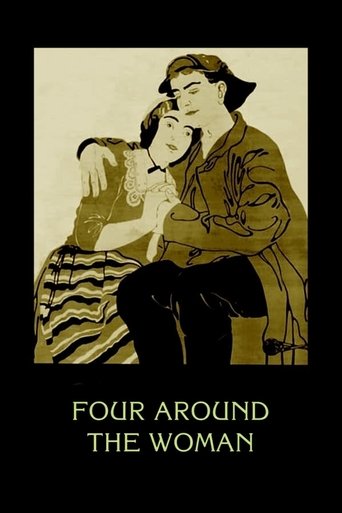
Made significant contributions to silent film music during the 1920s. While primarily known as a composer rather than an actor, there is limited documentation suggesting he may have had brief involvement in acting, possibly appearing in Fritz Lang's 'Four Around the Woman' (1921). Huppertz began his career as a concert singer and performer before transitioning to film composition, where he revolutionized the approach to scoring silent films with his elaborate, Wagnerian-inspired orchestral arrangements. His most celebrated work came through his collaboration with director Fritz Lang, composing scores for 'Die Nibelungen' (1924) and the 'Metropolis' (1927). The 'Metropolis' score was particularly remarkable for its complexity, requiring over 200 musicians for live performances and featuring sophisticated leitmotifs that enhanced the film's narrative depth. Despite his profound impact on early cinema, Huppertz died relatively young at age 50, before his work could be fully appreciated by later generations. His compositions were largely lost to history until dedicated restoration efforts in the late 20th century brought renewed attention to his innovative contributions to cinematic music.
The Craft
On Screen
Limited documentation of acting work; primarily known as composer
Milestones
- Composed score for 'Metropolis' (1927)
- Composed score for 'Die Nibelungen' (1924)
- Pioneered elaborate orchestral arrangements for silent films
- Rediscovered and restored scores in late 20th century
Best Known For
Must-See Films
Accolades
Special Recognition
- Posthumous recognition for contributions to film music
- Rediscovery and revival of his scores in modern restorations
Working Relationships
Worked Often With
Studios
Why They Matter
Impact on Culture
Gottfried Huppertz's work had a profound impact on the evolution of film music, particularly through his Wagnerian approach to scoring silent films. His compositions for 'Metropolis' and 'Die Nibelungen' set new standards for the complexity and emotional range of silent film scores, influencing how filmmakers and composers approached the relationship between music and visual storytelling. The rediscovery and restoration of his work in the late 20th and early 21st centuries has led to a reevaluation of his importance in cinema history, with modern audiences able to experience films as originally intended with his elaborate musical accompaniments. His scores demonstrated that silent film music could be sophisticated art rather than mere background accompaniment, elevating the medium's artistic potential.
Lasting Legacy
Huppertz's legacy lies primarily in his work as a film composer during the transition from live musical accompaniment to synchronized sound. His scores represent some of the most sophisticated and ambitious musical compositions created for silent films, demonstrating how music could enhance narrative depth and emotional impact. The survival and restoration of his 'Metropolis' score has allowed contemporary audiences to experience one of cinema's greatest achievements as originally conceived, cementing his place as an important figure in the development of film music as an art form. Modern film scholars and composers continue to study his innovative techniques and his ability to create cohesive musical narratives that complement visual storytelling.
Who They Inspired
Huppertz's Wagnerian approach to film composition influenced subsequent generations of film composers, particularly in his use of leitmotifs and his understanding of music's role in establishing mood and character development. His work demonstrated that silent film scores could be complex, emotionally sophisticated compositions rather than simple background music, paving the way for more ambitious approaches to film scoring as the medium evolved. Contemporary composers working on silent film restorations often cite Huppertz as a major influence, and his techniques for integrating music with narrative continue to inform modern film scoring practices.
Off Screen
Limited information available about his personal life beyond his professional career as a composer and musician. He was married but details about his family life are not well documented in historical records.
Education
Musical training and education in Germany, though specific institutions not well documented in historical records
Did You Know?
- His score for 'Metropolis' required over 200 musicians for live performances
- The original scores for many of his films were lost and had to be reconstructed from surviving parts
- He began his career as a concert singer before turning to composition
- His work on 'Die Nibelungen' was one of the first instances of a film having an original, fully-composed score rather than compiled existing music
- The rediscovery of his 'Metropolis' score in the 2000s was considered a major find in film history
- His compositions were heavily influenced by Richard Wagner's musical style
- He died before the full impact of his work on cinema could be widely recognized
- Modern restorations of 'Metropolis' use his reconstructed score to present the film as originally intended
- His 'Metropolis' score features over 60 distinct musical themes and leitmotifs
- The complete score runs approximately 2.5 hours, matching the film's restored length
Frequently Asked Questions
Who was Gottfried Huppertz?
German composer best known for creating the original scores for Fritz Lang's silent films 'Metropolis' (1927) and 'Die Nibelungen' (1924). He was a pioneer in film music composition during the silent era, though there is limited evidence he may have also done some acting work.
What films is Gottfried Huppertz best known for?
Titles linked here include Metropolis (1927), Die Nibelungen (1924).
When was Gottfried Huppertz born and when did he die?
Born March 11, 1887; died February 7, 1937.
What was Gottfried Huppertz's musical style?
Huppertz's compositional style was heavily influenced by Wagner, featuring elaborate orchestral arrangements, leitmotifs, and complex emotional depth that elevated silent film scoring beyond simple background music to sophisticated art.
Did Gottfried Huppertz also act in films?
While primarily known as a composer, there is some limited documentation suggesting he may have had brief involvement in acting, possibly appearing in 'Four Around the Woman' (1921), though this is not well documented and his main contributions were musical.
What happened to Huppertz's original film scores?
Many of Huppertz's original scores were lost over time, but dedicated musicologists and film historians have worked to reconstruct them from surviving parts, allowing modern audiences to experience films like 'Metropolis' with their intended musical accompaniment.