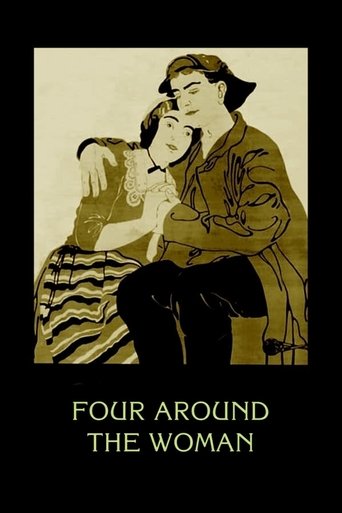
Films
1 film
About Lisa von Marton
Lisa von Marton appears once in this catalog: Four Around the Woman (1921). A pivotal period in film history. Her career was notably brief, with her only documented film appearance being in Fritz Lang's 1921 silent drama 'Four Around the Woman' (Vier um die Frau). Working with Lang during this formative period of his career placed her at the center of one of Germany's most important cinematic movements. The film itself was a complex melodrama that showcased Lang's emerging directorial talents before his breakthrough with 'Dr. Mabuse the Gambler' later that same year. Like many actors of the silent era, particularly those with supporting roles, her career appears to have been limited to this single appearance, which was not uncommon for actors who may have been stage performers transitioning to the new medium of cinema or those who pursued acting only briefly. Her presence in a Lang film during this crucial year of German cinema places her within the historical context of an industry that would soon influence filmmakers worldwide.
The Craft
Milestones
- Appeared in Fritz Lang's 'Four Around the Woman' (1921) during the height of German Expressionist cinema
Best Known For
Must-See Films
Working Relationships
Worked Often With
Why They Matter
Impact on Culture
Lisa von Marton's cultural impact is primarily historical rather than influential, as her career consisted of a single appearance during a crucial period in German cinema. Her participation in 'Four Around the Woman' places her within the context of the German Expressionist movement that would profoundly influence international cinema. The film itself represents an important transitional work in Fritz Lang's filmography, bridging his early melodramas and his more famous Expressionist masterpieces. Actors from this period, even those with brief careers, contributed to the development of film acting techniques that would evolve from the exaggerated style of early silent films toward more naturalistic performances.
Lasting Legacy
Lisa von Marton's legacy is preserved through her connection to one of cinema's most important directors and a significant period in film history. While her own career was minimal, her appearance in a Fritz Lang film ensures her place in film historical records and databases. She represents the countless supporting actors and bit players who formed the backbone of early cinema, enabling the creation of masterpieces that have endured for generations. Her story is typical of many silent era actors whose contributions, while small, were essential to the films in which they appeared.
Who They Inspired
As an actress with only one documented film appearance, Lisa von Marton's direct influence on other actors or filmmakers appears to be minimal. However, her work contributes to the broader understanding of how films were cast and created during the German Expressionist period. She exemplifies the journey of many actors who participated in early cinema during its experimental phase, helping to establish acting conventions for the silent medium.
Off Screen
Very little is documented about Lisa von Marton's personal life, which is typical for many supporting actors from the silent era who had brief film careers. Like many German actors of the early 1920s, she may have come from a theatrical background or been drawn to the burgeoning film industry during its golden age in Germany.
Did You Know?
- Her only known film appearance was in 1921, making her one of many actors from the silent era with extremely brief film careers
- She worked with director Fritz Lang before he became internationally famous for films like 'Metropolis' and 'M'
- 'Four Around the Woman' was one of Lang's early works, made during the same year as his more famous 'Dr. Mabuse the Gambler'
- The film was produced by Decla-Bioscop, one of Germany's most important early film production companies
- Like many German films of the early 1920s, 'Four Around the Woman' reflected the social and artistic upheaval of post-World War I Germany
- Her career coincided with the golden age of German cinema, when German films were among the most innovative and influential in the world
Frequently Asked Questions
Who was Lisa von Marton?
Screen credits include only one known film, Fritz Lang's 'Four Around the Woman' in 1921. She was active during the height of German Expressionist cinema but had a very brief career in the film industry.
What films is Lisa von Marton best known for?
Titles linked here include Four Around the Woman (1921).
When was Lisa von Marton born and when did she die?
Specific birth and death dates for Lisa von Marton are not documented in available film historical records, which is common for many supporting actors from the silent era who had brief careers.
What awards did Lisa von Marton win?
There are no recorded awards or nominations for Lisa von Marton, which is typical for actors with very brief careers in early cinema, particularly those in supporting roles.
What was Lisa von Marton's acting style?
Specific details about Lisa von Marton's acting style are not documented, but as a performer in 1921 German cinema, she likely worked within the conventions of silent film acting, which emphasized expressive gestures and facial features to convey emotion without dialogue.