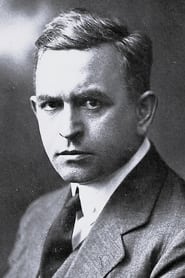
Ludwig Hartau
Actor
Born: February 18, 1877 in Berlin, Germany Died: August 1, 1942 Active: 1910s-1920s
Films
3 films

About Ludwig Hartau
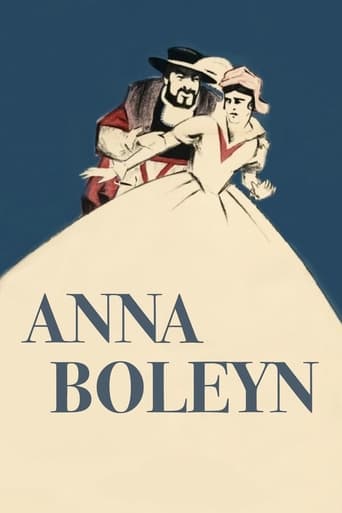
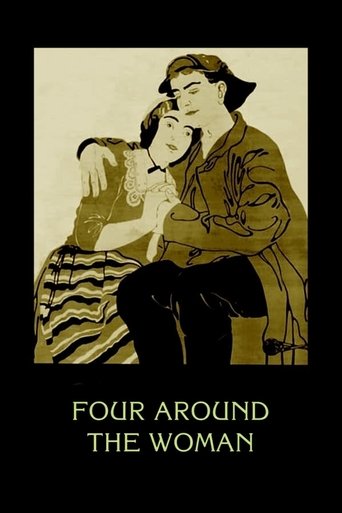
Made significant contributions to the German silent cinema era. Born in Berlin in 1877, he began his career in theater before transitioning to the burgeoning film industry in the 1910s. Hartau developed a reputation as a reliable character actor, often portraying authoritative figures, aristocrats, and professionals in German productions. His film career peaked during the early 1920s when he appeared in several notable films directed by prominent filmmakers of the Weimar period. Beyond his work in 'Anna Boleyn' (1920) and 'Four Around the Woman' (1921), Hartau appeared in numerous other silent films throughout the 1910s and 1920s, though many of these works have been lost to time. As the film industry transitioned to sound in the late 1920s, Hartau's screen appearances became less frequent, though he continued to work in theater. He spent his final years in Berlin during the tumultuous Nazi period, dying in 1942 at the age of 65.
The Craft
On Screen
Hartau was known for his dignified, authoritative presence on screen, often bringing theatrical gravitas to his film roles. His acting style reflected his stage background, characterized by deliberate movements and expressive gestures typical of the silent era. He excelled at portraying figures of authority, nobility, and professional stature, using his commanding presence and refined bearing to establish character quickly. Hartau's performances were marked by a certain restraint compared to more melodramatic silent actors, relying on subtle facial expressions and posture to convey emotion.
Milestones
- Transition from successful stage career to silent film acting
- Role in Ernst Lubitsch's 'Anna Boleyn' (1920)
- Performance in Fritz Lang's 'Four Around the Woman' (1921)
- Numerous character roles in German silent cinema throughout the 1910s-1920s
Best Known For
Iconic Roles
Must-See Films
Working Relationships
Worked Often With
Studios
Why They Matter
Impact on Culture
Ludwig Hartau represents the generation of classically trained German actors who bridged the gap between 19th-century theatrical traditions and the emerging art of cinema. His work in films like 'Anna Boleyn' and 'Four Around the Woman' placed him within the golden age of German silent cinema, contributing to films that would later be recognized as classics of world cinema. Though not a leading man, Hartau's supporting roles helped establish the authentic atmosphere of German historical dramas and contemporary stories of the Weimar period. His career trajectory reflects the broader challenges faced by character actors as cinema evolved from silent films to talkies, and how political upheaval in Germany disrupted artistic careers.
Lasting Legacy
Ludwig Hartau's legacy is preserved primarily through his surviving film appearances in two significant works of German silent cinema. While many of his films have been lost, his performances in 'Anna Boleyn' and 'Four Around the Woman' continue to be studied by film historians and enthusiasts interested in the German silent era. He represents the important but often overlooked character actors who provided the essential supporting framework for the stars of early cinema. Hartau's career shows the professional journey of stage actors who adapted to the new medium of film, bringing theatrical expertise to the developing language of cinema.
Who They Inspired
As a character actor rather than a star, Hartau's direct influence on subsequent generations of actors is difficult to trace. However, his work contributed to the development of ensemble acting in German cinema, demonstrating the importance of strong supporting performances in creating compelling film narratives. His approach to character development, rooted in theatrical tradition but adapted for the camera, represented an important transitional style that would influence how German actors approached film acting in the sound era.
Off Screen
Limited information is available about Hartau's personal life, which was not extensively documented in contemporary sources. As was common for character actors of his era, he maintained a relatively private existence away from the spotlight. He lived through the dramatic political changes in Germany, from the Imperial period through World War I, the Weimar Republic, and into the Nazi era. His death in 1942 occurred during the height of World War II, a period that saw significant disruption to the German film industry and the lives of those working within it.
Education
Theater training in Berlin, though specific educational institutions are not documented in available sources
Did You Know?
- Appeared in two of the most significant German silent films of 1920-1921
- His active years covered the transition from Imperial Germany through the Weimar Republic
- Many of his films from the 1910s are now considered lost
- Worked with directors Ernst Lubitsch and Fritz Lang
- Represented the generation of classically trained actors who adapted to film
- His film career was relatively brief but occurred during German cinema's artistic peak
- Like many character actors of his era, he received less contemporary documentation than leading stars
- His death in 1942 came during a period of significant disruption to German cultural life
Frequently Asked Questions
Who was Ludwig Hartau?
German stage and film with credits in this catalog. He — classically trained actor who transitioned from theater to film, bringing theatrical gravitas to his screen performances.
What films is Ludwig Hartau best known for?
Titles linked here include Anna Boleyn (1920), Four Around the Woman (1921).
When was Ludwig Hartau born and when did he die?
Born February 18, 1877; died August 1, 1942.
What awards did Ludwig Hartau win?
There are no documented awards or nominations for Ludwig Hartau in available historical sources. As a character actor during the silent era, recognition of his contributions came primarily through his consistent work in the German film industry rather than formal honors.
What was Ludwig Hartau's acting style?
Hartau's acting style reflected his theatrical background, characterized by a dignified presence and deliberate movements typical of classically trained actors transitioning to film. He excelled at portraying authoritative figures and professionals, using subtle expressions and commanding posture rather than the exaggerated gestures common in some silent film performances.