Films
2 films
About Carola Toelle
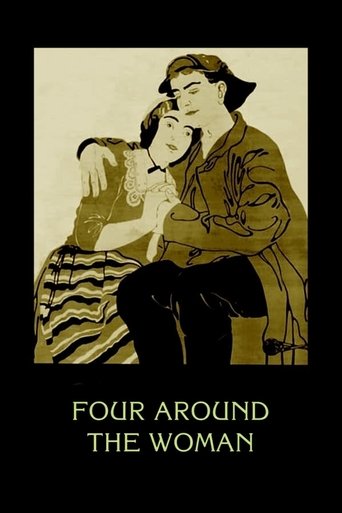
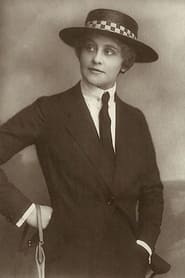
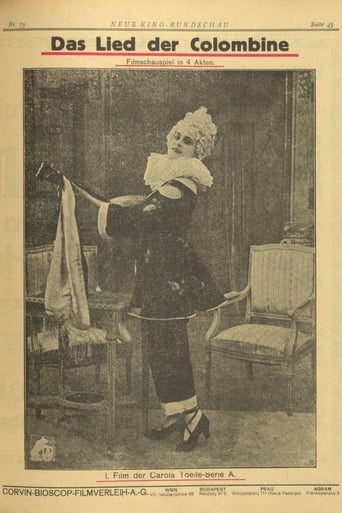
German silent film actress who had a brief but notable career during the late 1910s and early 1920s. She emerged during the golden age of German cinema, appearing in several productions during the post-World War I period when German film was experiencing artistic renaissance. Her most significant work was in Fritz Lang's early film 'Vier um die Frau' (Four Around the Woman) in 1921, which showcased her talents during the transition period of German cinema. Toelle appeared in 'Das Lied der Colombine' in 1918, demonstrating her presence in the industry during the final years of World War I. Her career appears to have been concentrated primarily between 1918 and 1921, coinciding with the height of German Expressionist cinema. Like many silent film actors of her era, her career was relatively short-lived, and she seemingly disappeared from the film industry after 1921. Her work represents the contributions of the many supporting actors who helped define German cinema's artistic achievements during this crucial period.
The Craft
Milestones
- Appeared in Fritz Lang's early film 'Four Around the Woman' (1921)
- Starred in 'Das Lied der Colombine' (1918)
- Active during the German Expressionist cinema period
- Participated in post-WWI German film renaissance
Best Known For
Iconic Roles
Must-See Films
Working Relationships
Worked Often With
Why They Matter
Impact on Culture
Carola Toelle's cultural impact, while limited by her brief career, represents the collective contribution of countless supporting actors who helped shape German cinema during its most innovative period. Her appearance in Fritz Lang's early work places her within the context of one of cinema's most important directorial careers, even if in a supporting capacity. The films she participated in were created during the German Expressionist movement, which would later influence film noir and other cinematic styles worldwide. Her work in 'Four Around the Woman' came during Lang's formative years as a director, before he would create masterpieces like 'Metropolis' and 'M.'
Lasting Legacy
Carola Toelle's legacy is primarily preserved through her film appearances, particularly in 'Four Around the Woman,' which survives as an example of early Fritz Lang direction and German cinema of the 1920s. While she may not be remembered as a major star, her contribution to these films represents the essential role that ensemble actors played in creating the silent cinema. Her career serves as a reminder of the many talented actors whose names have faded from popular memory but whose work continues to be appreciated by film historians and silent cinema enthusiasts.
Who They Inspired
Due to her brief career and supporting roles, specific documentation of Carola Toelle's influence on other actors or filmmakers is not readily available. However, like all actors who worked during the German Expressionist period, she would have contributed to the development of acting techniques that emphasized emotion and visual storytelling, which would influence cinema for decades to come.
Off Screen
Very little is documented about Carola Toelle's personal life, which is typical for many supporting actors from the silent era whose careers were brief and occurred over a century ago.
Did You Know?
- Appeared in one of Fritz Lang's earliest surviving films
- Her active years covered the final years of World War I and the early Weimar Republic period
- Worked during the height of German Expressionist cinema
- Like many silent era actors, her career was relatively brief
- Her film 'Four Around the Woman' was directed by Fritz Lang before he became internationally famous
- The German title of her 1921 film was 'Vier um die Frau'
- She represents the many supporting actors who contributed to German cinema's golden age
- Her career coincided with the artistic renaissance of German film in the early 1920s
Frequently Asked Questions
Who was Carola Toelle?
German silent film actress active between 1918 and 1921, best known for her roles in 'Das Lied der Colombine' (1918) and Fritz Lang's 'Four Around the Woman' (1921). She was part of the German cinema scene during its artistic renaissance in the post-World War I period.
What films is Carola Toelle best known for?
Titles linked here include Four Around the Woman (1921), Das Lied der Colombine (1918).
When was Carola Toelle born and when did she die?
Specific birth and death dates for Carola Toelle are not documented in available historical records, which is common for many supporting actors from the silent era whose careers were brief and occurred over a century ago.
What awards did Carola Toelle win?
There are no documented awards or nominations for Carola Toelle, which was typical for many actors during the silent era when formal award systems were not as established as they are today.
What was Carola Toelle's acting style?
While specific documentation of her acting style is limited, as a German silent film actress of the Expressionist period, she would have employed the exaggerated gestures and emotive techniques characteristic of silent film acting to convey story without dialogue.
Did Carola Toelle work with any famous directors?
Yes, Carola Toelle worked with Fritz Lang in 'Four Around the Woman' (1921), which was one of Lang's early films before he became internationally renowned for masterpieces like 'Metropolis' and 'M.'
Why did Carola Toelle's career end in 1921?
The specific reasons for Carola Toelle's career ending in 1921 are not documented, but this was common for many silent era actors whose careers were brief due to various factors including the transition to sound films, changing industry demands, or personal career choices.