
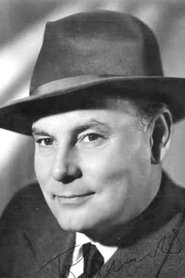
Anton Edthofer
Actor
Born: September 18, 1883 in Vienna, Austria-Hungary Died: February 25, 1948 Active: 1913-1948
Films
3 films
About Anton Edthofer
The 1922 film Phantom is the only title linked here for Anton Edthofer. Born in Vienna, he began his career on the stage before transitioning to film, where his commanding presence and versatile acting style made him a sought-after character actor. Edthofer worked extensively with prominent directors of the era, appearing in some of the most significant German silent films of the early 1920s. His performances in films like 'Phantom' (1922) and 'The Street' (1923) showcased his ability to embody complex, often tormented characters that were central to Expressionist cinema. Beyond his work in German cinema, he maintained connections to Austrian theater and film industries throughout his career. As the sound era emerged, Edthofer successfully adapted to talking pictures, though his most work remains in the silent period. His over three decades, during which he appeared in more than 70 films, establishing himself as reliable character actors of his generation.
The Craft
On Screen
Edthofer was known for his intense, psychologically nuanced performances that perfectly suited the Expressionist movement. His acting combined naturalistic emotion with the heightened theatricality required by Expressionist cinema. He excelled at portraying complex, often tormented characters with remarkable depth and authenticity. His physical presence and commanding voice made him particularly effective in roles requiring authority and gravitas.
Milestones
- Stage debut at Burgtheater in Vienna (1908)
- Breakthrough role in German Expressionist cinema (1920s)
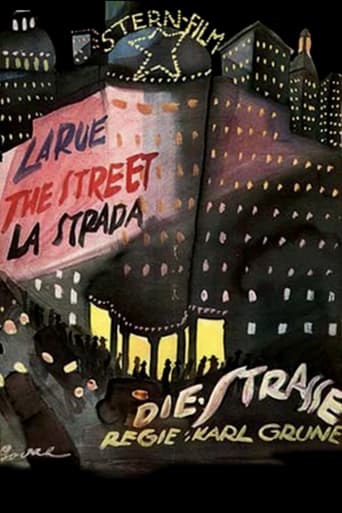
- Key supporting roles in 'Phantom' (1922) and 'The Street' (1923)
- Successful transition to sound films
- Prolific character actor with over 70 film appearances
- Member of prestigious Viennese theater ensembles
Best Known For
Iconic Roles
Must-See Films
Accolades
Special Recognition
- Member of the Burgtheater ensemble
- Recognition as one of Austria's leading character actors
Working Relationships
Worked Often With
Studios
Why They Matter
Impact on Culture
Anton Edthofer played a significant role in the German Expressionist cinema movement of the 1920s, which would go on to influence film noir and psychological thrillers for decades. His performances helped define the visual and emotional language of Expressionist film, particularly his ability to convey complex psychological states through subtle yet powerful acting. As part of the Austrian-German cultural exchange of the era, he contributed to the rich artistic dialogue between Vienna and Berlin's film industries. His work in films like 'The Street' helped establish the urban thriller genre and influenced how modern alienation would be portrayed in cinema.
Lasting Legacy
Anton Edthofer's legacy endures through his contributions to some of the most important films of the Expressionist movement. His performances continue to be studied by film scholars as exemplars of silent film acting technique. As a bridge between Viennese theatrical tradition and German cinematic innovation, he represents an important moment in European cultural history. Though less remembered than leading men of his era, his character work provided essential support to the narrative and emotional impact of numerous classic films.
Who They Inspired
Edthofer influenced subsequent generations of European character actors through his methodical approach to psychological roles. His ability to transition seamlessly between stage and screen work set a precedent for later actors who would move between theater and film. His performances in Expressionist cinema particularly influenced how supporting characters could contribute to the overall thematic and emotional weight of a film, a technique that would be adopted by filmmakers across various national cinemas.
Off Screen
Anton Edthofer was married to actress Grit Haid, who was also a prominent figure in German and Austrian cinema. Their marriage represented one of the notable theatrical partnerships of the era. Edthofer maintained strong connections to Vienna throughout his career, frequently returning to perform in theater productions even as his film career flourished in Germany. He was known as a dedicated professional who took his craft seriously, earning respect from both colleagues and critics.
Education
Trained at the Vienna Conservatory for acting and theater studies
Family
- Grit Haid (1920s-1930s)
Did You Know?
- Was married to actress Grit Haid, who appeared in many of the same films
- Began his career as a stage actor before transitioning to film
- Spoke fluent German and was able to work in both Austrian and German productions
- Survived the transition from silent films to talkies, unlike many of his contemporaries
- Was part of the prestigious Burgtheater company in Vienna
- Appeared in over 70 films during his career
- Worked with some of the most important directors of the Expressionist movement
- His film active years covered from the early silent era through World War II
- Was particularly known for his ability to portray authority figures convincingly
- Maintained dual careers in both theater and film throughout his professional life
Frequently Asked Questions
Who was Anton Edthofer?
Austrian with credits in this catalog. He was known for his versatile character roles in both silent and early sound films, appearing in over 70 productions throughout his career.
What films is Anton Edthofer best known for?
Titles linked here include Phantom (1922), The Street (1923).
When was Anton Edthofer born and when did he die?
Born September 18, 1883; died February 25, 1948.
What awards did Anton Edthofer win?
While specific formal awards from his era are not well-documented, Edthofer received significant recognition as a member of the prestigious Burgtheater ensemble and was regarded as one of Austria's leading character actors of his generation.
What was Anton Edthofer's acting style?
Edthofer was known for his intense, psychologically nuanced performances that combined naturalistic emotion with the heightened theatricality required by Expressionist cinema. He excelled at portraying complex, often tormented characters with remarkable depth and authenticity.