
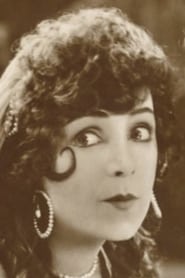
Aud Egede-Nissen
Actor
Born: August 30, 1893 in Bergen, Norway Died: November 15, 1974 Active: 1911-1943
Films
7 films

About Aud Egede-Nissen
Norwegian actress who achieved international fame during the golden age of German silent cinema. Born into a prominent Norwegian theatrical family, she began her career on stage before transitioning to film in the mid-1910s. She moved to Germany and quickly became sought-after actresses of the Weimar era, working with directors including Fritz Lang, F.W. Murnau, and Ernst Lubitsch. Her expressive acting style and striking screen presence made her ideal for the emerging expressionist cinema movement. In 1917, she founded her own film production company, Aud Egede-Nissen Film, making her one of the first female film producers in Europe. After her German career peaked in the early 1920s, she returned to Norway where she continued acting in Norwegian films and theater productions. Her later years were spent running a theater with her husband, cementing her legacy as both a performer and businesswoman in Scandinavian cinema.
The Craft
On Screen
Aud Egede-Nissen was known for her intense, expressive acting style perfectly suited to German expressionist cinema. She possessed a remarkable ability to convey complex emotions through subtle facial expressions and body language, essential in the silent film era. Her performances often featured a combination of vulnerability and strength, making her particularly effective in dramatic roles. She had a naturalistic approach that contrasted with the more exaggerated acting styles common in early cinema, helping to usher in a more realistic performance style. Her screen presence was magnetic, with large, expressive eyes that could convey deep emotion without words.
Milestones
- Founded Aud Egede-Nissen Film production company (1917)
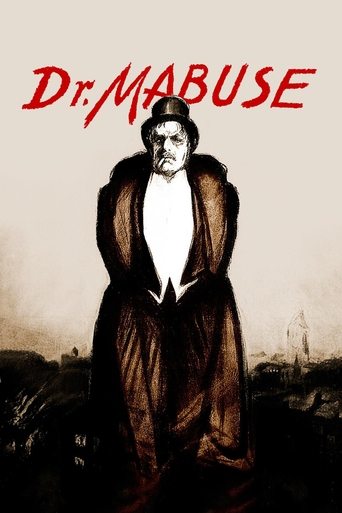
- Starred in Fritz Lang's Dr. Mabuse, the Gambler (1922)
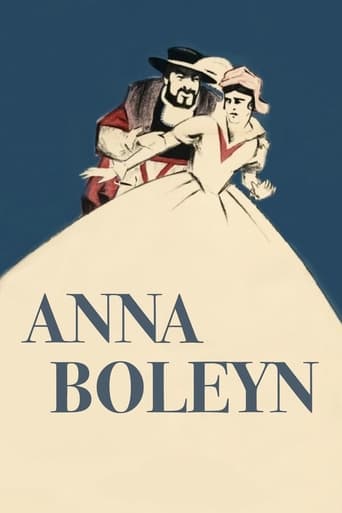
- Appeared in Ernst Lubitsch's Anna Boleyn (1920)
- Worked with F.W. Murnau in Phantom (1922)
- Transitioned successfully from German to Norwegian cinema
- Became theater owner and manager in later career
Best Known For
Iconic Roles
Must-See Films
Accolades
Special Recognition
- Pioneer of Norwegian cinema recognition
- Honored in Norwegian Film Institute archives
- Featured in Bergen International Film Festival retrospectives
Working Relationships
Worked Often With
Studios
Why They Matter
Impact on Culture
Aud Egede-Nissen played a significant role in bridging Scandinavian and German cinema during the silent era. As one of the few Norwegian actresses to achieve international stardom in German films, she helped establish a cultural exchange between the two countries' film industries. Her work with directors of German expressionism contributed to the development of cinematic techniques that would influence film worldwide. By founding her own production company, she broke barriers for women in the film industry and demonstrated that women could succeed as both artists and entrepreneurs. Her later career in Norway helped bring sophisticated European film techniques back to Norwegian cinema, elevating the quality and international appeal of Norwegian films.
Lasting Legacy
Aud Egede-Nissen's legacy endures as a figure in early European cinema, particularly notable for her dual role as both a celebrated actress and a successful female film producer. She represents an important chapter in the history of women in film, having navigated the male-dominated industry of the 1910s and 1920s with remarkable success. Her performances in landmark German expressionist films continue to be studied by film scholars and enthusiasts. The Egede-Nissen family name remains synonymous with Norwegian theater and film history, with Aud being one of its most internationally recognized members. Her story serves as an inspiration for women in film, demonstrating that artistic vision and business acumen can successfully coexist.
Who They Inspired
Aud Egede-Nissen influenced subsequent generations of Scandinavian actors by demonstrating that international success was possible while maintaining cultural identity. Her naturalistic acting style helped move silent film performance away from theatrical exaggeration toward more subtle, realistic expression. As a female producer, she paved the way for other women to take leadership roles in film production. Her collaborations with major German directors helped create a template for international co-productions and artistic exchange that continues in European cinema today. Many Norwegian actors who followed her path to international careers cited her as an inspiration and role model.
Off Screen
Aud Egede-Nissen came from the Egede-Nissen family, which was central to Norwegian theater and film. She was one of eleven children, many of whom became actors. She married actor and director Georg Stankevitsch in 1924, and together they managed the Mayol Theater in Oslo. Their daughter Ilse Egede-Nissen also became an actress. Despite her international fame, she maintained strong ties to Norway throughout her life and was instrumental in bringing international film techniques back to Norwegian cinema.
Education
Trained at Nationaltheatret (National Theater) in Bergen, Norway
Family
- Georg Stankevitsch (1924-1974)
Did You Know?
- She was one of eleven children, all of whom were involved in theater or film
- Founded her own film production company at age 24, making her one of Europe's youngest female producers
- Spoke fluent German, Norwegian, and English, facilitating her international career
- Her film company produced over 20 films between 1917-1922
- She was often typecast as exotic or mysterious characters due to her striking appearance
- During World War II, she helped Norwegian resistance members by providing shelter at her theater
- Her sister Gerd Egede-Nissen was also a famous actress in German silent films
- She retired from film in the 1930s but continued working in theater until the 1950s
- Many of her German films were lost during World War II
- She was considered one of the highest-paid actresses in German cinema during her peak years
In Their Own Words
In silent film, the eyes must speak what the voice cannot say.
Being a producer taught me that art and commerce can dance together if you know the right steps.
I left Norway to learn from the world, and returned to share what I learned with my homeland.
Frequently Asked Questions
Who was Aud Egede-Nissen?
Norwegian actress and film producer who achieved international fame during the German silent film era. She worked with legendary directors like Fritz Lang and Ernst Lubitsch, and founded her own production company, making her one of Europe's first female film producers.
What films is Aud Egede-Nissen best known for?
Titles linked here include Dr. Mabuse, the Gambler (1922), Phantom (1922).
When was Aud Egede-Nissen born and when did she die?
Born August 30, 1893; died November 15, 1974.
What awards did Aud Egede-Nissen win?
While formal film awards were not common during her active period, she has been posthumously recognized as a pioneer of Norwegian cinema and honored in retrospectives at film festivals. Her greatest achievement was breaking barriers as a female producer in early European cinema.
What was Aud Egede-Nissen's acting style?
Her acting style was characterized by naturalistic expression and emotional depth, perfectly suited for German expressionist cinema. She was known for her subtle facial expressions and ability to convey complex emotions through body language, helping to move silent film performance toward greater realism.
How did Aud Egede-Nissen influence cinema?
She influenced cinema by bridging Scandinavian and German film cultures, women's roles in film production, and helping develop more naturalistic acting styles in silent films. Her international career path inspired subsequent generations of Nordic actors to seek opportunities beyond their home countries.